Zoe Stratford
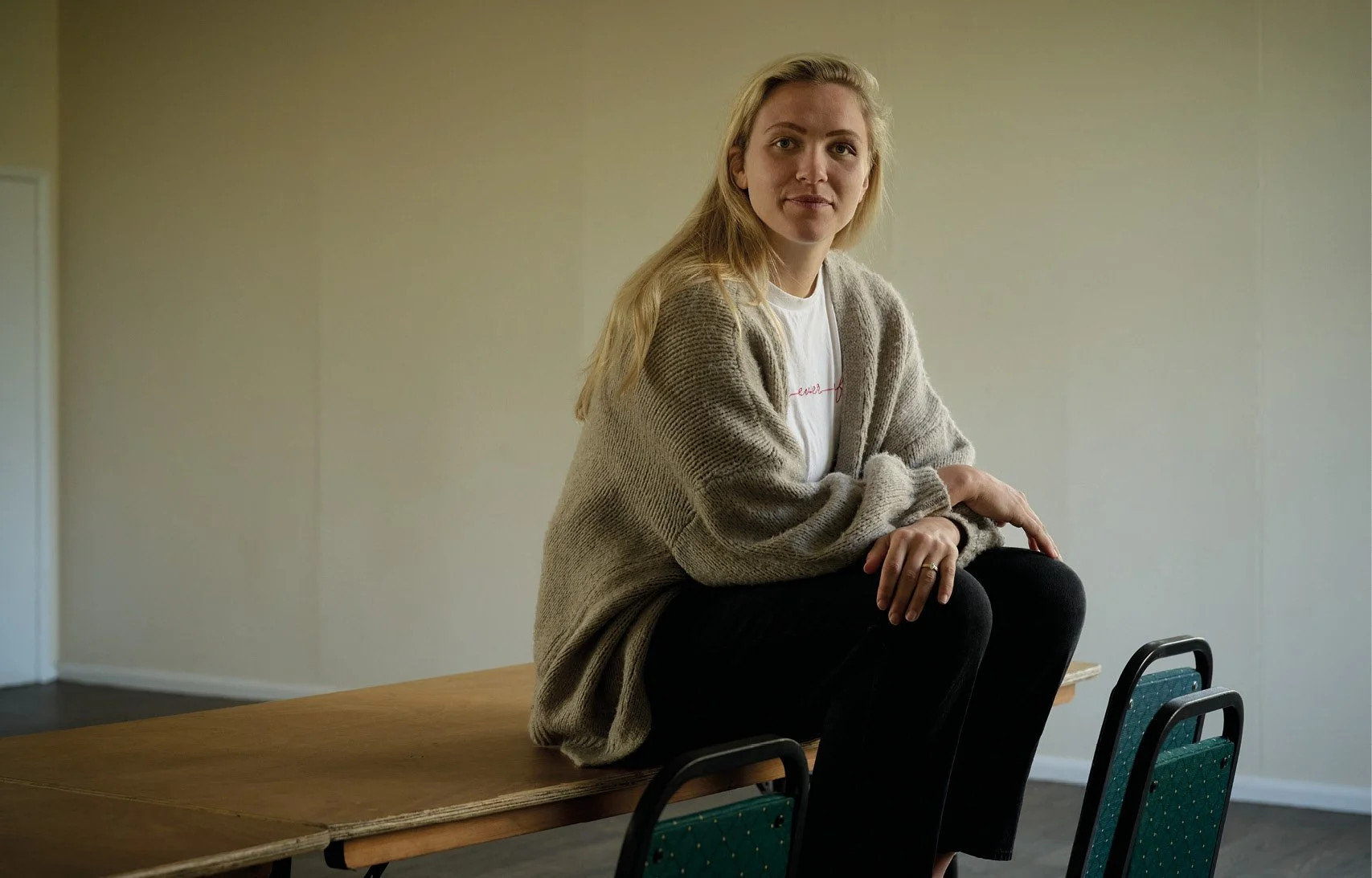
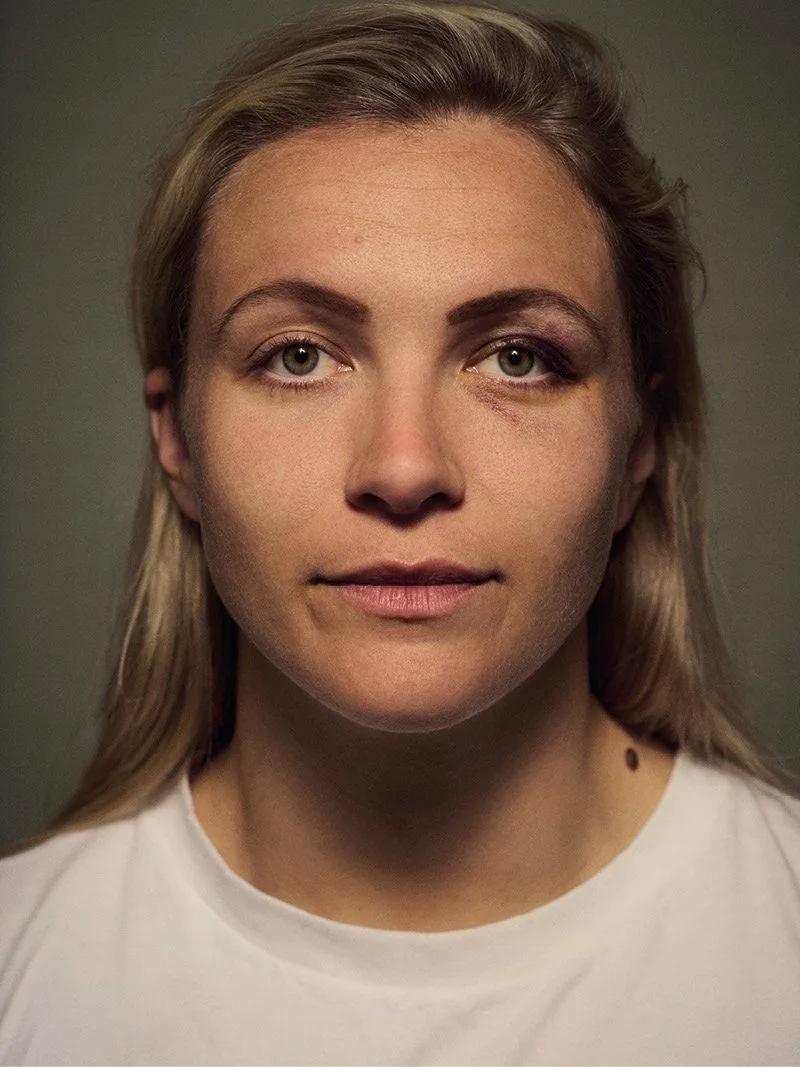
She’s been world player of the year, a three-time domestic champion, seven-time Six Nations winner, and captained both club and country. But, without a World Cup win later this year, Zoe Stratford knows something will still be missing.
It was acidic water that first made Scarborough what it is today. It was coming down cliff and running into the sea, and such was its chemical make-up, the healing properties were seized upon, put into print, ‘Scarborough Spa’ became a thing and Britain’s first seaside town was born, in the 1600s.
Anna, the lesser-known of the Bronte sisters, was tempted here to spend her final days, where she stills resides; it’s also home to The Vaults, aka the ‘Covent Garden of the North’. And, preceding all of this, is the 12th-Century Scarborough Castle guarding the bay, and its fine curve of golden sand, from any outsiders.
For those that know, Scarborough is special, and Zoe Stratford, co-captain of Gloucester-Hartpury, the ‘three-peat’ champions of England, and captain of 2025 World Cup champions elect, the Red Roses, knows. Born and bred in the north-east Yorkshire town, until recently her parents had two different cafes right in the heart of the place. “My dad’s sold his now, but my mum’s still got hers,” she says, “but I think she’s looking to sell hers in the next couple of years, to enjoy a bit of retirement.”
Such is Zoe’s connection with Scarborough, she’s making sure that she keeps a little slice of it in the old town, with a cottage bought together with her husband Luke Stratford. “I still wanted to have some sort of strings attached to Scarborough,” she says. “Obviously we go up whenever we can but I just wanted to have something that’s mine, but also a little bit of a business as well. So we got a little Airbnb, a fisherman’s cottage, in the old town, it’s only about seven minutes from the beach.”
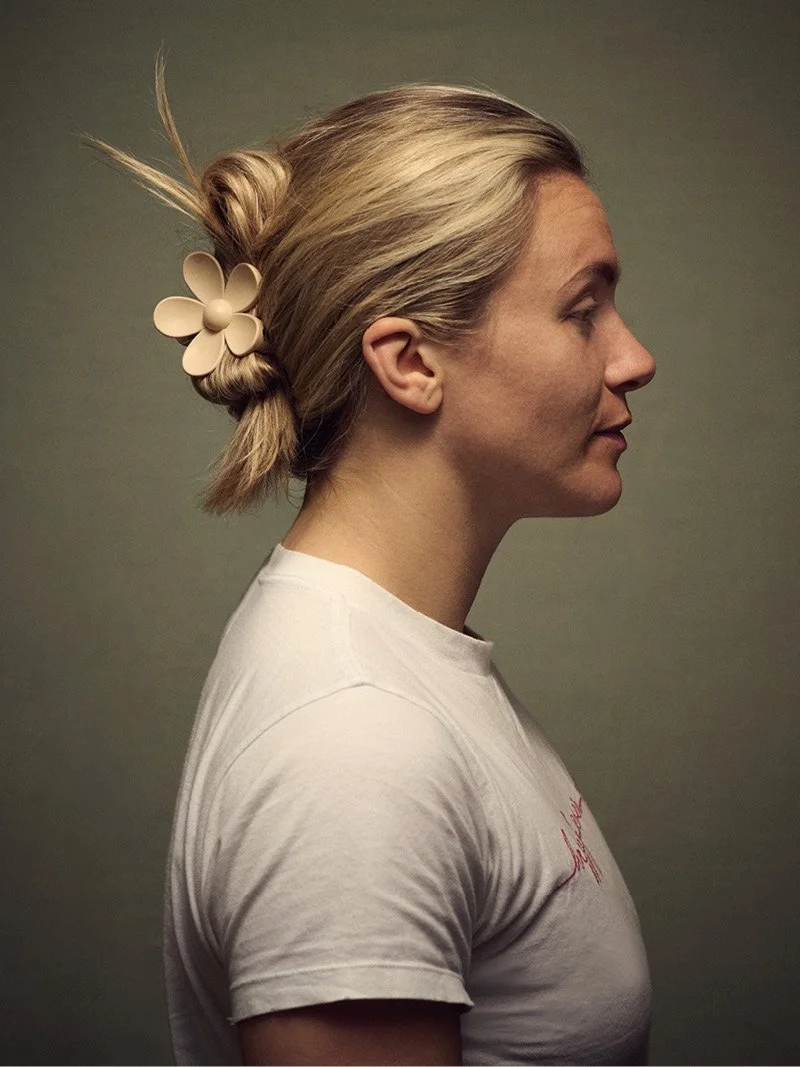
Aside from everything else that’s been happening to Zoe in recent times, winning domestic titles (on repeat), Grand Slams (also on repeat) and even World Players of the Year, she’s also managed to squeeze in a few off-field achievements. “I got married,” she says, before giving us a rundown of Luke’s current rugby activity. “He was with Leicester Tigers, he was their forwards coach the last two seasons, and now he’s at Sale to be the scrum coach for the women, so there’s a lot of travel at the moment. But we still do have our house down in Gloucester, which is our main base, and he’s sort of just finding his feet up in Sale, before we see if he actually wants to get somewhere there, if he’s going to be there long term.
“He’s actually up in Scarborough with my parents at the moment, it’s a bit nearer to Sale than Gloucester, so he’s with them for a couple of weeks, just while I’m in camp.”
The two met while students at Hartpury. “He didn’t coach me,” she says. “But we both went to Hartpury University, he did do a little bit of coaching with the hookers at Gloucester-Hartpury, and then coached around the local area and played for Hartpury RFC.”
There’s a lot of water still to pass under the bridge before the two settle on their forever house, not least respective careers on an upward trajectory. “It’s tough,” she says of the two having to always be in separate places. “If he wants to be the best coach he can be, he has to travel and move to those areas. But I’ve said to him that I’m going to be selfish for the next seven, eight years, however long I’ve got playing, and then he can do whatever he wants, and I’ll follow him around. But, it is difficult. It is difficult, but we manage, we’re all good.
“Although I’ve always said that eventually I would like to end up near Yorkshire,” she adds, “because I really want my parents to kind of be involved if we have children.”

But all that’s for future Zoe [and Luke]. Zoe is now in the midst of the mostimportant, career-defining period of her rugby life. Captain of club and country, recognised as one of the best in the world as a player, Six Nations’ Grand Slams in the bag, and a third title with the now-dominant force in club rugby Gloucester-Hartpury, who sealed their latest crown with a 34-19 win over Saracens back in March. How they came to be the force to be reckoned with, after years as also-rans, Zoe puts down to organisation off the field, as well as on it. “I genuinely think the biggest reason the success is James Forrester, who’s our CEO at Gloucester,” she says. “At that time when we were finishing fifth or sixth in the table, we were not even competing with the likes Saracens and Harlequins.
“Then James came, and he’s got a business mindset,” she explains. “He had businesses out in Singapore and then he came back to Cheltenham and wanted to get involved in Hartpury, because he played for them. He was our forwards coach for a bit, and I remember us clashing quite a bit, because he’d have these ideas, I didn’t agree, but it came from a place of just caring so much about the women’s game.
“And then after that season, Sean Lynn came on board, and they created a plan where ‘Jango’ [Forrester], would become our CEO and he’d do the business side of things, he’d get the sponsorship.
“He obviously got a lot of investment for us, and got the investment from Gloucester, so we brought in the likes of Maud Muir, Sarah Beckett, Sam Monaghan, Alex Matthews, and then we had the right pool of players. His first thought was, ‘get the good players in’, and then we could work on the rest.”
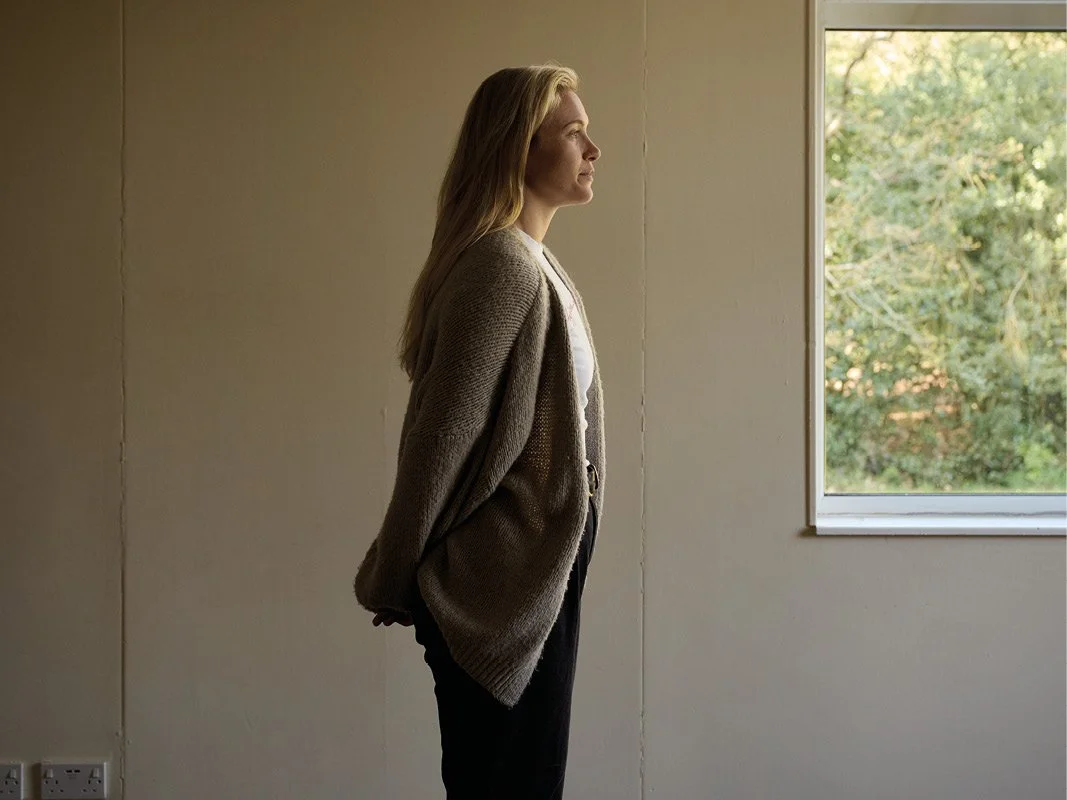
Head coach Sean Lynn was then key to how they came together. “Lynny’s main ethos is about playing for each other, having license to inspire, bringing family feel,” explains Zoe. “And I think it’s something that we have always had at Gloucester, we have a very good culture, it always used to be about going out together after games. But then if we actually wanted to take this seriously, it was about how we could bring that closeness on the pitch and work for each other every single week.”
The turning point came in November 2022, when Gloucester-Hartpury travelled to title rivals Exeter Park and came away with a 17-25 win. “I think we almost said at that point, ‘I think we might actually get to the final as I think we could actually win the Prem’,” she says. “It was all a little bit crazy. We’d beaten Saracens, Quins, Bristol but then Exeter at Sandy Park, just before Christmas, I think from that moment, we know we could do it. It was only halfway, but we were just creating so much momentum, and it kind of felt that we were like a force to be reckoned with.
“We got to that final [in 2023, against Exeter],” continues Zoe. “And when we won it [34-19], at Kingsholm – which gave it that extra bit of oomph – it was just the best day ever… winning that first final, I just remember it being so special. That we could do it in front of so many fans at Kingsholm, and obviously doing it with Mo [Natasha Hunt, her co-captain], lifting the trophy together, it was just unbelievable.
“I know there was a few girls in that group that had quite a rough year, obviously, Mo and Sarah Beckett didn’t get selected to go to the World Cup, so it was something that we could do for those guys as well. It was my favourite, favourite final, definitely.
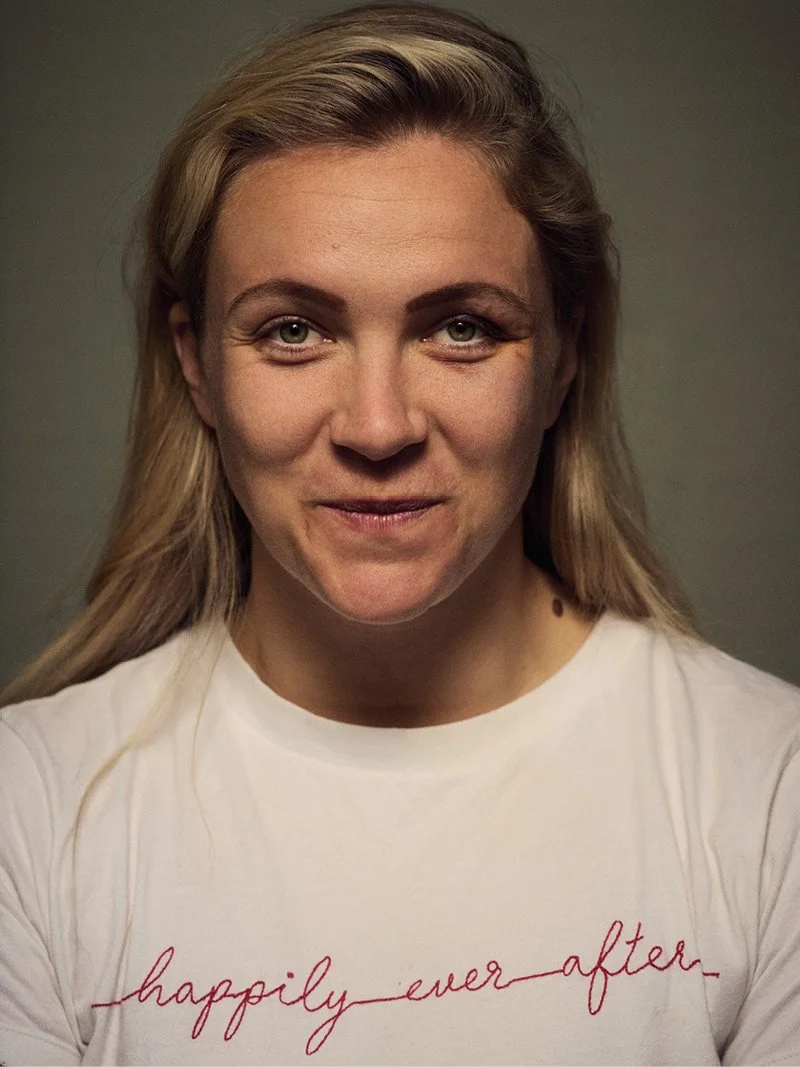
“I think the fact that it was a home team in the final, I think created so much more momentum, it was a real sunny, hot day, and I think people just came out in their droves. Before, maybe the finals haven’t been so successful in terms of the crowds so it was really special day, not just for rugby and Gloucester, but also, I think for the PWR, because I think it was kind of a point of change. It was when it wasn’t just the London clubs winning, it was about the likes of Exeter, Bristol and Gloucester-Hartpury also competing in those top four places.”
Even though success has continued in terms of results, the finals that have followed haven’t quite matched up in terms of crowds. “It’s still something to work on,” she says. “I think for Gloucester this year, it’s been inconsistent in numbers, we want to be getting the big crowds,and obviously we see them come out for the semi-finals and finals. But we want to be able to have them consistently through the season.
“I think we had a Friday night game against Quins which did well actually, so maybe we need to look at maybe changing up the days and times a bit too.”
Women’s rugby in England has certainly been eventful and such is the tinderbox nature of social media these days, it doesn’t take much to create a storm among the people of X, even if the incident is on TikTok. When England beat Wales 12-67 in front of a record 21,000 crowd at the Principality, a result that surprised few given the strength of the Red Roses, the other headline should’ve been around the attendance (the best for a women’s game in Wales), but instead it was about an impromptu TikTok danced performed by Sarah Bern and her Welsh rival, Bristol Bears team-mate, Jasmine Joyce-Butchers. “I was quite surprised by the amount of hate they got,” says Zoe. “You see the likes of Ilona Maher, and how many people she has brought into rugby from her social media, and it’s things like this that create that connection [with fans].
“I think all the hate comments are unacceptable, and I think for women’s rugby, we play because we enjoy it, and people expressing their personality is an important thing to do.
“Wales did lose [the game], but it doesn’t mean that she [Joyce-Butchers] can’t enjoy the celebration of the event – I think it was the first time that they got 21,000 fans at a women’s event.”
If as much energy could be put into celebrating the positives of the game, as it does the negatives, women’s rugby would be in a very different place. “I completely agree, there’s so many haters online that just want to be a keyboard warrior,” says Zoe. “I think people should celebrate the fact that people [players] want to give themselves to you, or the fact that we want to open our sport to so many different people.
“Women’s rugby is such an accepting sport, in terms of diversity, as well, any background will fit into women’s rugby, no matter where you’re from, or who you are. I think people need to understand that more, celebrating that it’s a positive place to be, there’s just a lot of hate that goes on and doesn’t need to be there at all.”
On the rugby side, one challenge for the Red Roses has been the comparative lack of competition in the Six Nations. While some sides, such as Italy and Ireland, had periods of holding off or even putting England on the back foot, to the supporters, the Grand Slam felt like a cakewalk. Five wins from five, 256 points for, 71 against. France’s late charge – having been 31-21 down at half-time – to lose by a single point 43-42, was the only time they were truly challenged. “Sometimes we don’t quite get the competition,” admits Zoe, “but say for the Red Roses, we make sure we’re doing the best that we can to put in those performances. We look at ourselves and how we can get better, because we see ourselves as the benchmark and we don’t know where the ceiling is so we try and just push and push our own standards.
“That’s also why the likes of like the WXV has been so important,” she continues. “Because we’ve had the chance to play the top four teams in the world, we’ve had the chance to play the Black Ferns two or three times in the last few years, whereas before we’d play them maybe once in a World Cup cycle.”
Since England failed to win the 2022 Rugby World Cup, losing 31-34 to the Black Ferns in Auckland, Zoe has enjoyed nothing but success, for club and country. “It has been pretty wild,” she admits. “In my head now, I just want to win a World Cup, so bad. I think especially this year’s, it’s just about how can I now put myself in the best place for the team, so then we can now go and hopefully put ourselves in the best place possible…”
Has the ghost of 2022 (and indeed 2017, from an England perspective) been put to rest? “I think the biggest time we spoke about it was the following year we went back out to New Zealand, and it was a little bit of a touchy subject. We thought, ‘has anyone actually watched the final?’. Or are we going back out there to kind of relive this without any of us of acknowledging it?
“A few of us were made to sit and watch that game. It was a tough game, and there was a lot of unfairness in that game, and I think it wasn’t about our ability, or if we could or couldn’t beat them, I think we all believe that we could have gone out there and beat them, but just on the day, it wasn’t our day and a lot things got in the way.
“These last four years has been about how can we still be at the top of our game, even with that unfairness, and how can we be brutal even if we face those challenges that we faced in that final.”
Unfairness? “Injuries, the cards, the lineout at the end, all those little key moments…”
What’s fair and unfair is obviously a matter of opinion, but what England have worked on is how to deal with the situations, that may seem unfair, and still progress, and ultimately win a World Cup.
It would be reasonable to expect Zoe, as captain, to feel more than a bit of pressure. “No, I wouldn’t say pressure,” she says. “I would say that I feel responsible for things, if that makes sense. In the game, I wouldn’t think about it, but then post-game, I might think, ‘Oh, damn, is that my decision that’s caused that?’.
“Before I got given the captaincy, the biggest thing I wanted to make sure was that I stay as myself as a rugby player, so that means going into games, I always try and keep it calm, think of my processes, because obviously it is a pressured job.”

How did she feel taking on the captaincy? “I was actually really nervous when I got the role,” she admits. “I think my first thought was obviously to Marlie [Packer] and how she would react because she’s been an amazing captain for us over the last the last couple of years.
“I was really nervous, because obviously I knew it was going to be difficult for her, and then I didn’t know how she would react, but she has been absolutely unbelievable.”
Her style of captaincy, she says, is lead by example. “I will do anything for the team, I’ll put my body on the line, and if I can do that, then hopefully people will be able to follow,” she says. “And hopefully that creates an environment where people are able to thrive, but also we can hear everyone’s voices in the group as well, and they’re having input into our game.”
The Red Roses bring a squad to their home World Cup, with plenty of experience from the bitter defeat of 2022, but buoyed by even more young talent, with Zoe highlighting the recent additions of Maddie Feaunati and Mia Venner, as proof of the abundance of quality within the English ranks. Is the squad better than last time? “It would be hard to say that it was better,” she says. “But I think we have a lot stronger culture now. I think that we have had very honest conversations. We have roles in the group that people are given, and they can help put the best team in the best places.
“Now it’s like we are open with each other, about our emotions as well and how we’re feeling and I think that makes us a stronger side.
“I think it’d be so difficult to say if we were better in terms of on-pitch, because that core group is very similar to what it was last time.
“Competition in camp now is next level though,” she adds, “there’s competition in just about every single position which is incredible.”
Zoe is used to such competition, not least due to the fact her World Player of the Year win in 2021, instantly made her a target. “Just thinking back, I do remember it being completely pressurised,” she says of the individual win. “And I remember that first game back, everything was reflected in being world player of the year. In your head, it’s, ‘Oh, my God, I need to prove that I am world player of the year’, and I remember being extra nervous going into games. If did anything wrong, I’d be thinking, ‘Oh, my God, that’s not world player of the year stuff’. I kind of got to the point where I just hate people saying it.”
Hopefully, by the end of this year, they’ll be adding World Cup winner to any sentence with her name in. “I think it’s massive for women’s rugby, it could be like the biggest thing that has happened,” she says. “For it to be in England, I think we’ve created a massive fan base currently, and that’s without a World Cup.”
Zoe has seen how crowds were immense in New Zealand for the World Cup in 2022, but have since fallen away, but hopes the already existing presence of a Red Roses fanbase should avoid them suffering the same fate. “We have a fan base, we filling our stadium up more and more, so if we get it right, it could be an amazing sporting event.
“You could look at it as pressure, but we also had pressure going into the last World Cup, it felt like everyone hated us in that moment, we were also the favourites.
“Now we’ve experienced it,” continues Zoe, “and a lot of the girls were there too, and if we can put ourselves in the best possible place, I think that pressure will be relieved a little bit, but obviously pressure is pressure…”
And if you don’t win? “I would feel there was something missing,” she admits, before repeating the Red Rose thinking of being in the ‘best possible place’.
Being undercooked is something several critics have pointed to given how the Six Nations played out. “We know we’re going to get that extra bit of scrutiny whatever we do, even if we’re a little bit off it for a game,” says Zoe. “Like with the Italy game, we got a bit of scrutiny for that second half performance that we put out there. It’s just something that we have to deal with along the way.”
So not losing since the World Cup final, isn’t a problem? “We faced the biggest challenge in terms of diversity by losing a World Cup final,” asserts Zoe, “that is probably the biggest thing that we have learned off over these four years.”
As accustomed as the Red Roses have become to growing crowds and scorelines, Zoe feels they’re on to something special, and knows, from almost a decade as a Red Rose – she made her debut in 2016, aged nineteen – what it was like when she began. “A goosebump moment was playing France at Twickenham two years ago in the Six Nations,” she says. “Obviously it was 58,000 people there, and we were not expecting it at all.
“Just driving through the streets of Twickenham, we got off the bus, and it was just swarmed with people. I think just that moment was like, ‘Oh, my God, we have come a long, long way’.”
But, there’s still plenty more to go. “I don’t think there’s a ceiling to it,” she says of the potential of the women’s game. “We’re the girls that can drive it, we can keep pushing it and pushing it and I don’t think there is a ceiling to it. If we get it right with our fanbase, and we keep it so accessible, I think it could be an incredible sport, and then just keep on going and going.”
Story by Alex Mead
Pictures by Sam Bénard
This extract was taken from issue 30 of Rugby.
To order the print journal, click here.