Worcester Warriors
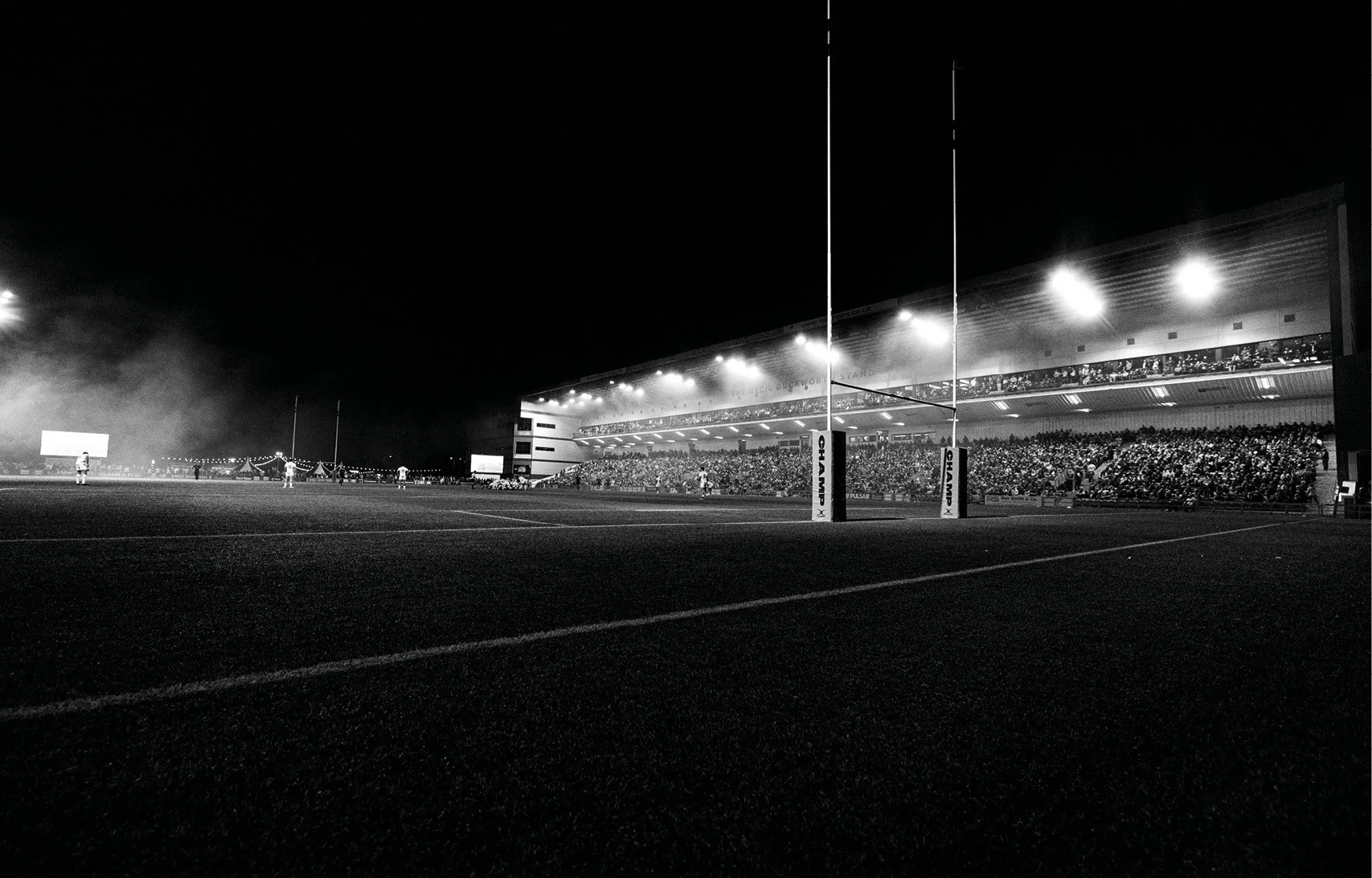
It’s been more than one thousand days since Sixways last hosted its beloved Worcester Warriors. But, amid the wreckage of a terrible era in Premiership history that saw three clubs disappear from view, Worcester have risen again. And Sixways has never known a night like it.
Irish hard-rockers Thin Lizzy were known to reserve their biggest hit, The Boys Are Back in Town, for the very end of their gigs; a signature sing-a-long to send punters home happy and fulfilled. Allegedly when Phil Lynott, Thin Lizzy’s frontman, penned the words to the smash hit, he was writing about a criminal organisation in Manchester who he encountered in his youth, the notorious Quality Street Gang.
But as the song sounds out at Sixways, before Worcester’s first home game in three years, the Quality Street Gang are far from the returning Warriors fans’ minds. The song instead takes on a new quality – triumphant, defiant – as the moment these fans have been dreaming of for three years finally arrives.
Under new ownership, with new players, but at the same stadium, playing in the same colours, with many of the same fans who watched them until the seemingly bitter end three years ago, Worcester Warriors returned in a pre-season friendly against the best team in the country, Bath.
It has been 1,089 days, exactly one week short of three years, since Worcester Warriors were suspended from the Premiership and placed into administration by the RFU. This marked the end of a painful saga in which former owners Jason Whittingham and Colin Goldring failed to pay players and staff, amid mounting debts of £25 million and unpaid tax bills.
Likened to ‘the death of a dog’ by former director of rugby Steve Diamond, Worcester’s decline was slow and agonising. The club’s final hope appeared to lie with Atlas, a consortium made up of former Warriors executive director Jim O’Toole and business partner James Sandford. Atlas attempted to rescue the club from administration but consistently disappointed fans with poor communication.
Despite being named the new owners in May 2023 following a £2 million deal, Atlas failed to make the further £1 million payment needed to relaunch the club. Control eventually passed to Wasps’ owner Chris Holland in September 2023, after Atlas defaulted on a £1.5 million loan from his company, Loxwood Holdings, which had been made to help Atlas secure a lease for Wasps to play Championship rugby at Sixways.
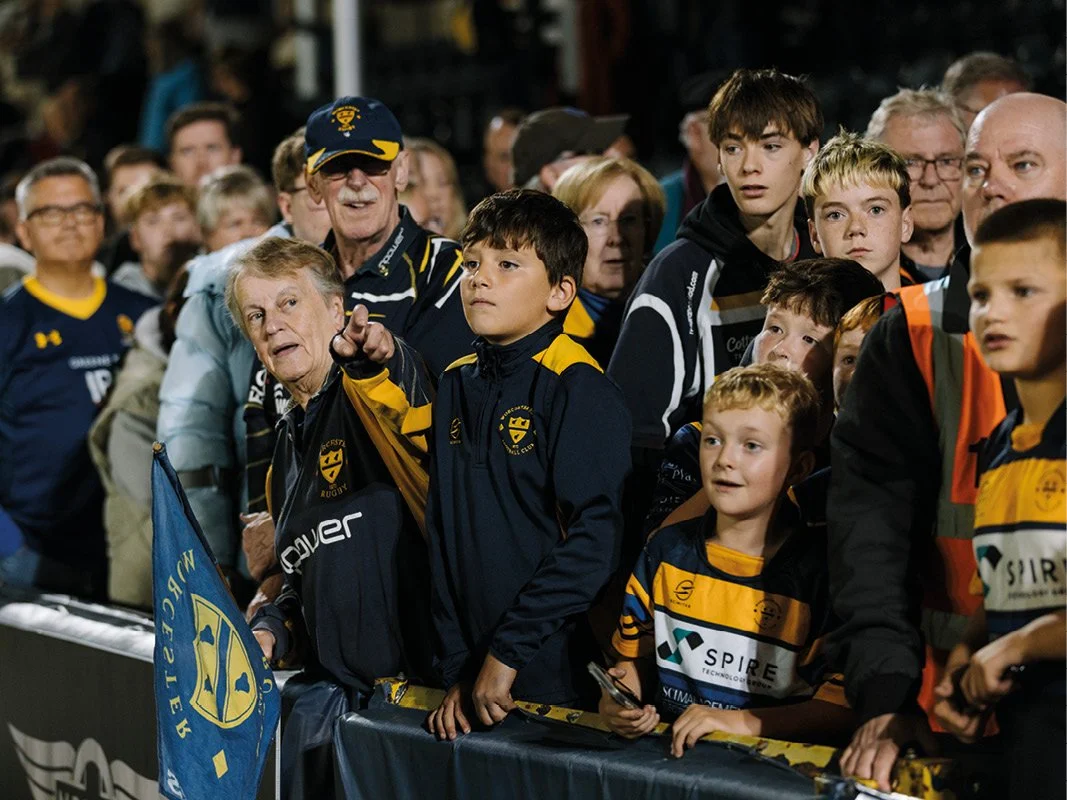
For their comeback match, Worcester, who last year celebrated their 150th birthday while in administration, have commanded a sell-out 9,000 crowd and as the first few people wander through the gates, some two hours before kick-off, you get the sense that this evening could build into something special.
Among the early arrivals is Marcus Mulcahy, the chair of the Worcester Warriors Supporters Trust (WWST). His gaze is fixed firmly on the pitch, as if he can’t quite believe his club is back, and he can’t help but ruminate on the past, given how long it’s been since he last stood in this spot, waiting for a game. “Losing your rugby club is a sort of slow, waking nightmare really,” says Marcus a little absently, still looking on at the pitch. “The immediate aftermath was the most painful bit. The administrators came on the radio quite a lot and they were interviewed in the local press.
“We thought we might be back that season or the next, but then when the players all started leaving to go to other clubs it was clear that it wasn’t going to be an easy sort out. From there you’re just hanging on every little bit of information you can and following social media, where there’s loads of rumours. It’s soul-destroying; people really do live and breathe the club.”
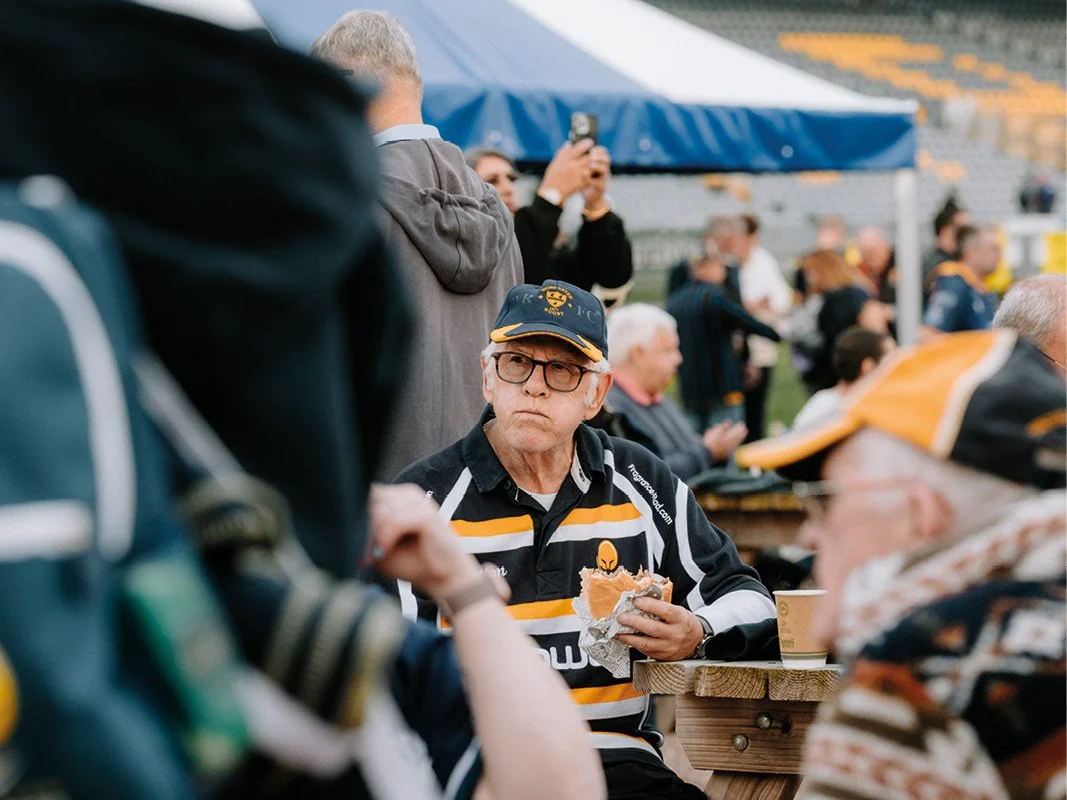
As people drift through the fan zone, snacking on food, grabbing drinks from the bar, and soaking up live music from a local band, the WWST are hard to miss. Their gazebo is pitched right next to the face-painting tent, a prominent fixture in the bustling scene. “We were supposed to have a cabin,” Marcus says through gritted teeth, his tone edged with disdain. “But it was stolen from the supplier’s warehouse on Monday.”
This raises the obvious questions – who steals a cabin, and why? – but Marcus doesn’t have the answers. The WWST tent, however, is thriving. Nearly as busy as its colourful neighbour, it’s packed with people eager to talk to Marcus about the latest goings-on at the club. “When the club was just about to be sold for the first time to Atlas,” remembers Marcus, “we thought that nobody’s actually paying any attention to what the supporters of the club are thinking, there was nobody shouting in our corner.
“In November 2023, we started taking members, and we quickly gained a reputation as troublemakers. We tried to do things like nominating the stadium as an asset of community value, which was really well received. This was done to prevent anything happening to it architecturally which could make it less desirable as a rugby stadium, and possibly delay the return of Worcester.
“We stepped away in the end, because it created problems for investment. When we knew the right people were in charge, we didn’t want to pursue that and make it more difficult, but we’ve got the legal basis as a supporters trust to potentially get more involved if the finances don’t work out in the long run, but we have no reason to believe that’s the case. I suppose we’re a supporters’ club on steroids.”
Their unprecedented legal prowess aside, the WWST have also thrown themselves into preparing Sixways for the return of matchday. With hundreds of volunteers turning up, the somewhat grandly titled ‘Sixways SOS Days’ have seen people scrubbing dusty, long-forgotten seats that haven’t been used in three years, washing the windows of the South Stand, and picking litter from the car park. It’s unglamorous but vital work, especially with the very real possibility that the stadium could be close to full this season. “Initially, the owner’s target was to sell 1,800 season tickets, and I think they went up to 2,100,” says Marcus with an incredulous shake of the head. “I was saying that we should get at least 3,000 but they’ve nearly sold 5,000,” he continues. “To get that number of people coming back when we’re not in the top tier is incredible; the appeal of the club is there and people are coming back in huge numbers.
“It’s the sense of belonging that’s important and it’s not like just going to watch your local club game, it’s different when there’s a stadium full of people with the same interest really.”
With still ninety minutes to go until kick-off, the fan zone is already heaving; old friends reuniting, the buzz unmistakable. Things are going better than even Stephen Vaughan might have dared to imagine. Worcester’s new CEO is a proud son of the West Midlands. Once a footballer for Walsall FC, his playing days were short-lived (“due to an acute lack of talent,” as he puts it with disarming ease). From there, he pivoted into the travel industry, eventually finding his way into sport, where charisma, rather than footwork, would become his defining asset. “I spent five years working on London 2012, as managing director for commercial and branding,” explains the quick-talking Stephen. “My first role in rugby was CEO at Gloucester, where I spent eight really happy years. Then I moved to Wasps and the Ricoh Arena, as it was at the time, to take on a much bigger challenge.
“We got to the Premiership final, and everything was going fantastically well, except for the unfortunate financial situation we inherited, which was obviously bleak. It was such a shame, because the actual business of Wasps was flourishing. We were making a lot of money from the venue, the team were performing extremely well, but the debt the club had snowballed over the years and it became very clear that the finances were built on straw.”
Just weeks after Worcester Warriors entered administration, Wasps followed suit, burdened by a staggering £95 million in accumulated debt. The club’s parent company, Wasps Holdings, along with three firms linked to the Coventry Building Society Arena, cost taxpayers millions.
Dozens of local businesses were also left out of pocket. Wasps owed the government £16.1 million from their Sport Survival Package loan, the largest share of the £124 million distributed among all thirteen Premiership clubs, as well as
£2.1 million in unpaid taxes to HMRC.
Stephen and Chris Holland, former non-executive director and chief operating officer at Wasps, were left to pick through the mess Wasps Holdings created, with Chris being named as owner in December 2022. “Having to deal with a club going under were the darkest days I’ve ever had in my career,” Stephen continues. “It was awful speaking to players and staff when I was a member of staff who was also being made redundant.
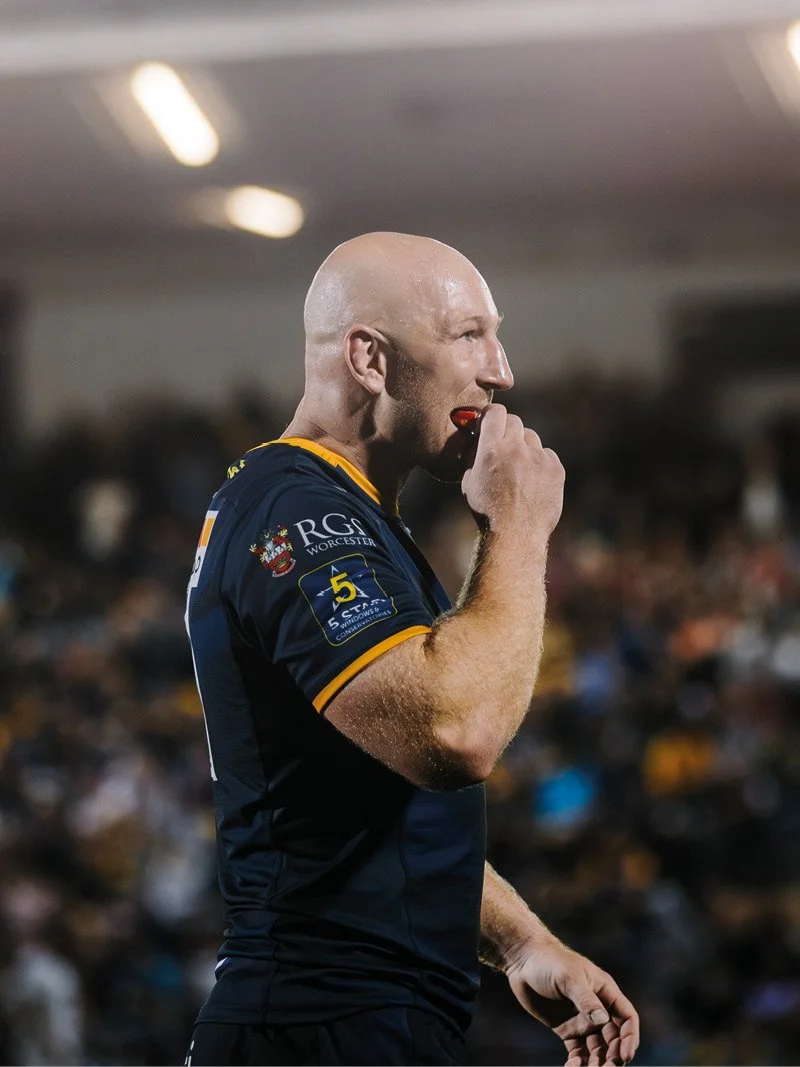
“I was approached by a number of different sporting clubs after that, because although perception is reality, the work that we did at Wasps would have been an incredible success story.”
From Wasps, in November 2022 Stephen took the job in cricket everyone was shying away from, the CEO of Yorkshire in the aftermath of a racism scandal and a wrecked commercial model. Amid hefty points deductions, Stephen helped Yorkshire win promotion back to the first division of the County Championship and helped rebuild its entire commercial and financial structure.
He had taken things about as far as he could with Yorkshire when Chris mentioned the prospect of taking Worcester Warriors out of administration. “Chris had three key areas that needed focus, support and management and leadership,” outlines Stephen. “First the actual site itself, redeveloping the many acres that surround Sixways. Next was to get the venue back up and running, making profit rather than being a loss-making organisation, and finally to get professional rugby back into Worcester.
“So, I came in on the premise that I would help him out, as all of those three things are well within my experience.”
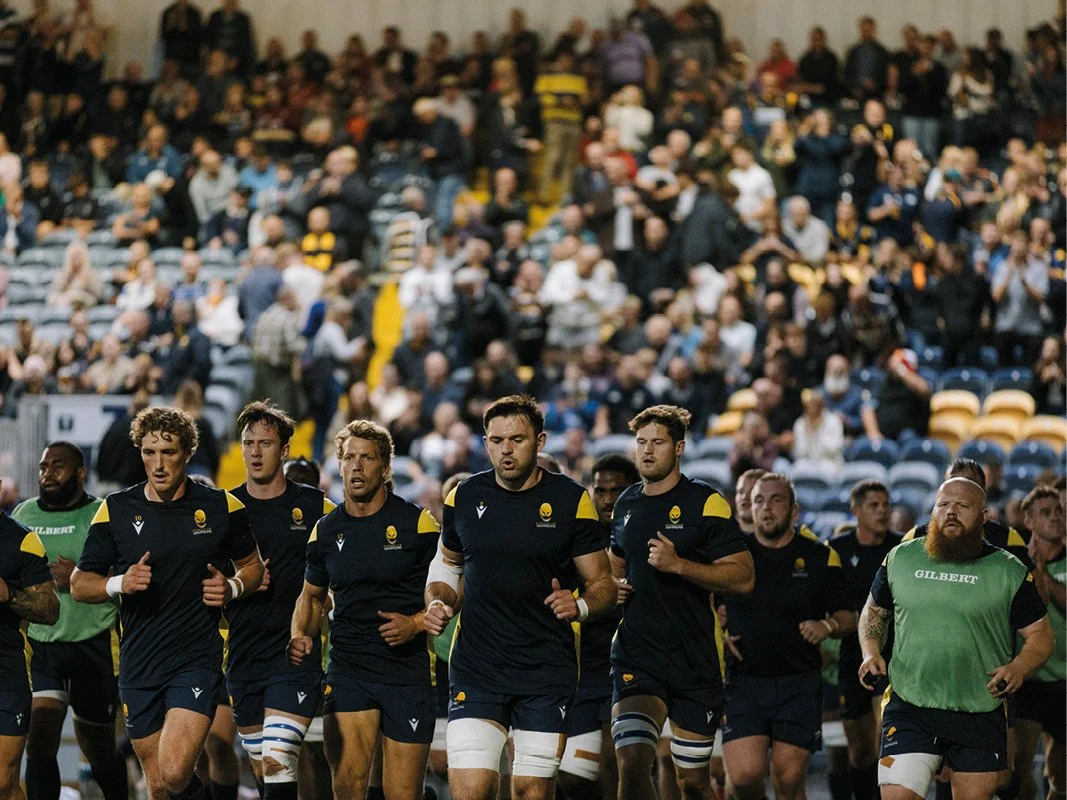
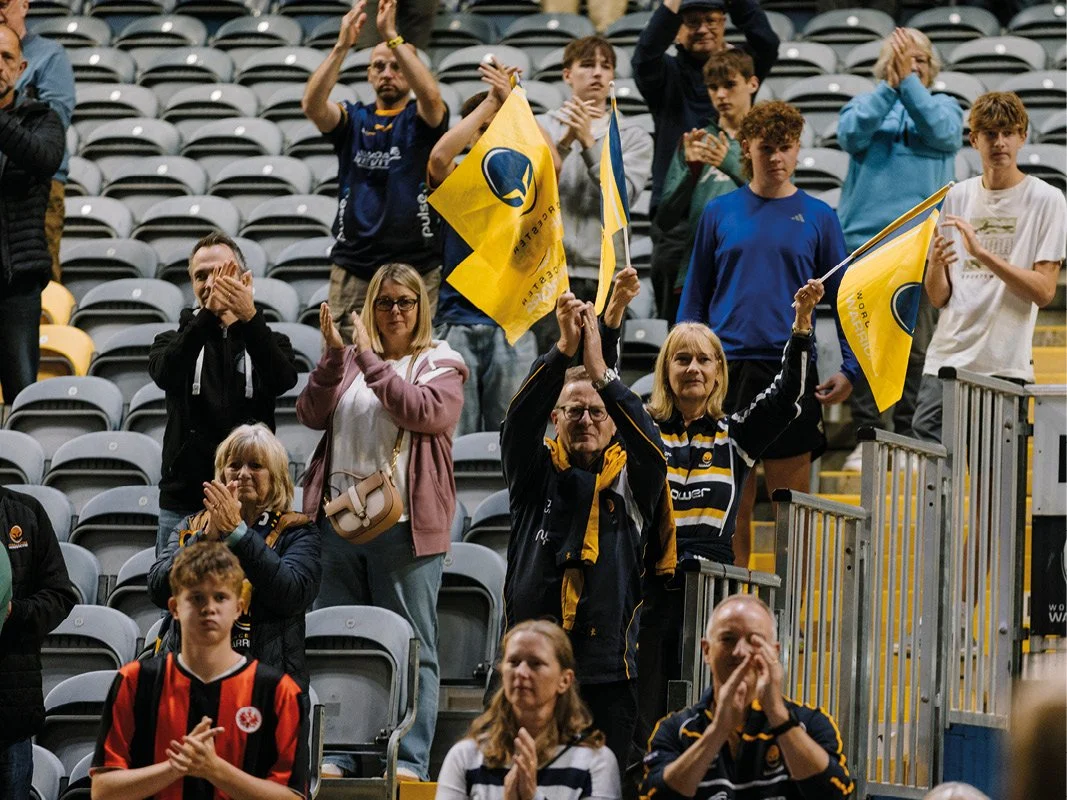
As Worcester take the field for their warm-up, they’re greeted with a hero’s welcome. There’s a ripple of excitement in the stands as fans nudge friends and family, pointing out new names, new faces, some familiar, most not.
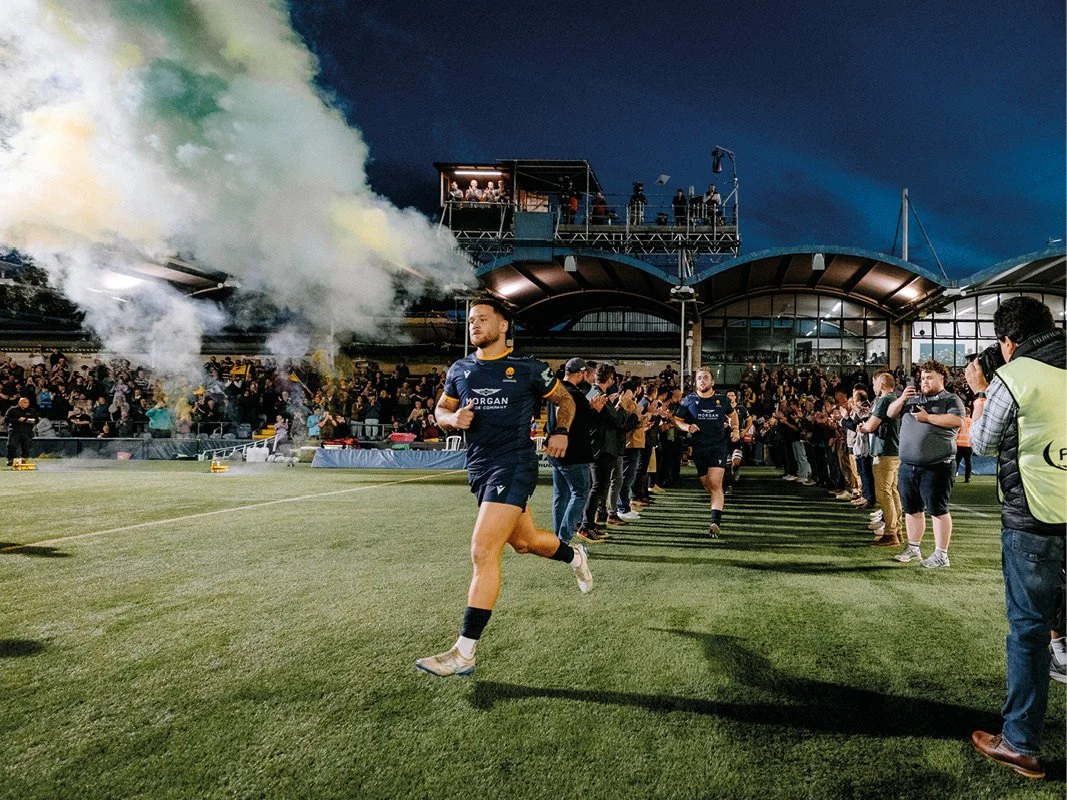
For many, it’s a first glimpse of a team still taking shape. It’s a fascinating scene: home supporters trying to map out their own side, half-guessing positions, scanning shirts, quietly sizing up what this new era might look like. Before a ball is kicked, the new-look Warriors complete an impromptu lap of the pitch, drawing a swell of applause.
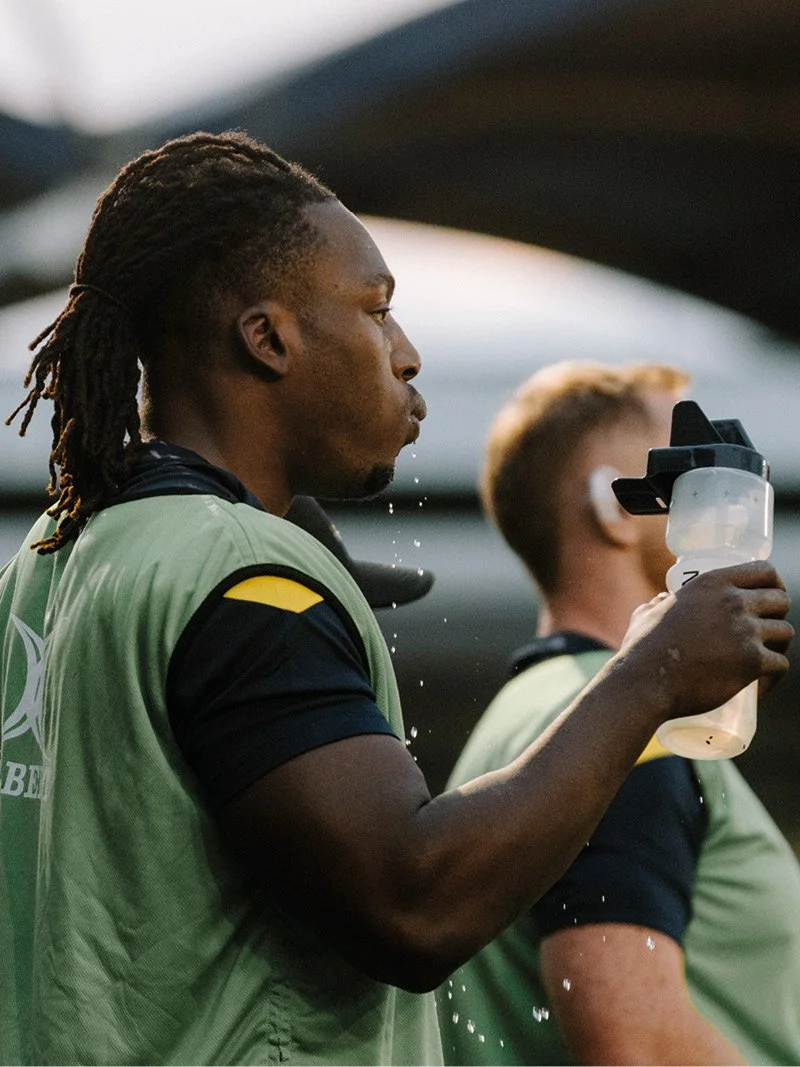
Each player returns the gesture with an open-handed wave, a mix of gratitude and showmanship, before heading down the tunnel to change. Talk of the squad dominates the day. There’s admiration, some curiosity, and no small amount of wonder at how it has all come together, somehow, just in time. “From a rugby perspective, we really should have done a Netflix documentary on how we put everything together,” laughs Stephen.
“We had to agree to pay all of the rugby creditors, and at that point, we could have made the decision, rather than to pay multiple millions of pounds, to say, actually, we’ll do what other clubs have done in the past, and just start at level ten, but then nobody gets a penny.
“Then I sat down with a pen and pad, and thought, ‘right, I’d better think about pulling a rugby club together’. We think that we spoke to over six hundred players, from the sublime to the ridiculous.
“I won’t give names, because some of these players have moved on elsewhere, but we’re talking very recent British Lions speaking to us about coming here.”
Recent news reports have suggested that several rugby creditors, including former players and staff, have yet to be paid, potentially leaving Worcester vulnerable to regulatory sanctions from the RFU. In a now-deleted online post, the club stated that a significant number of creditors have already received payment and emphasised that all actions taken have been in line with the RFU’s outlined provisions.
Regarding the squad-building, given the calibre of players in contention, and new squad members like Josh Bassett who have stepped down a division, it would be easy to assume that Worcester’s new owners are spending heavily to assemble the squad. But Stephen is quick to dispel that notion, perhaps as a quiet way of drawing a line between this new era and the one that came before, without ever naming names. “I don’t want to talk about what happened here previously. It’s a little bit like Voldemort and Harry Potter, where if I mention the names of the previous owners in front of the staff, everyone sort of stops.
“If you’re coming to Worcester, you’re coming to buy into the project, you’re not coming here for the money, because guess what? Our budgets are Championship budgets. We won’t be paying as much as some of the teams in the Championship this year, I’m sure of that.
“There’s a misperception, because some of the names that we have in here, that we’re spending highly. In reality, I think the attraction of coming to Worcester Warriors is that we have an amazing stadium, we have a Prem-level programme, Prem-level coaching, and players will be looked after as if they are in the Premiership, but on a Championship budget.
“There hasn’t been one person that’s joined us for a pay rise. Not one person from any club has come here on more money than where they were previously. There’s certainly been no poaching of players, everybody that has come has been out of contract.
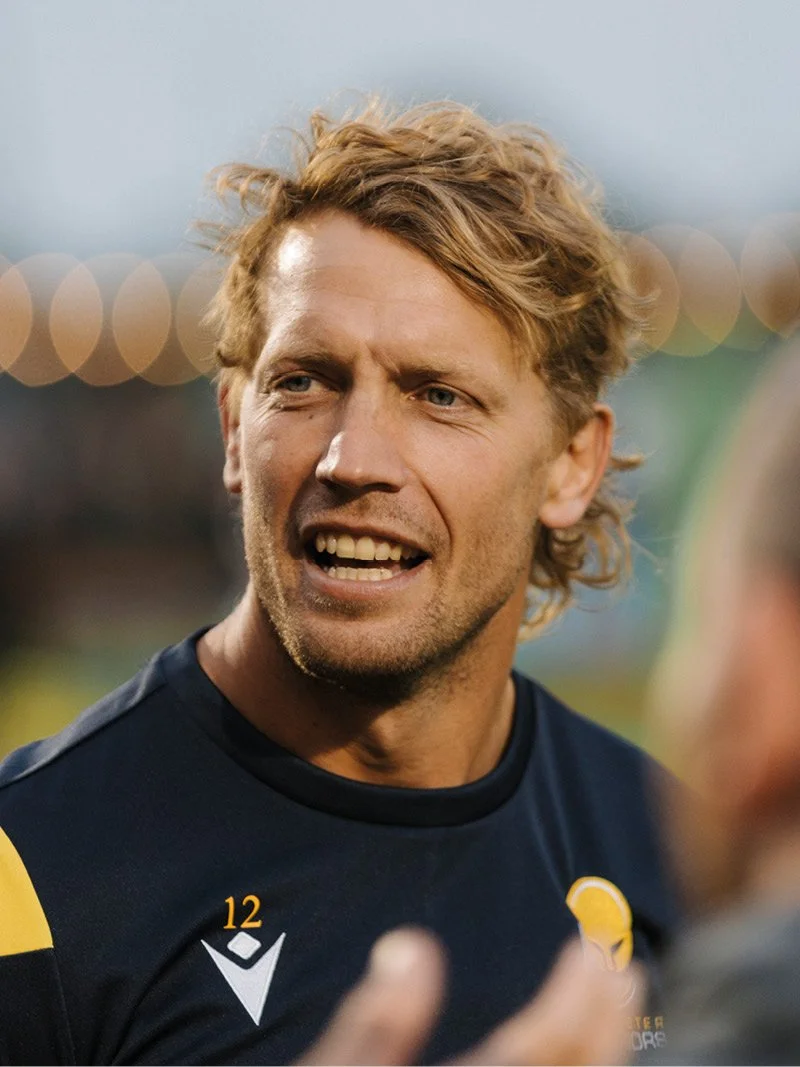
“We owe it to Worcester Warriors players, supporters and staff, that we don’t let the business get to that point again. So, it actually becomes quite easy to make decisions, you can be quite non-emotional about it, because you know that you’re doing it for the right reasons.”
Worcester’s return to rugby’s second tier was confirmed in early April. On the surface, it felt inevitable, a club projected to inject nearly £30 million into the local economy through tourism and matchday footfall surely had a place waiting for it.
But in speaking with Stephen, it becomes clear that nothing about the process was guaranteed. “Applying to the Championship was so hard,” says Stephen with a hint of a groan. “I will admit it, of the three things I came in to sort out, I thought that getting back into rugby was going to be an armchair ride. My view was, we have an amazing stadium, we’re in the middle of the country, incredible facilities, people knew Chris, and what a stand-up guy he was.
“We had people like myself who have got lots of pedigree within elite sport, a great head coach in Matt Everard and everybody that we’ve got for medical, strength and conditioning, they’re all from the Premiership.
“So I thought it would be, get the cigars out, Worcester are back in a great league. It was the absolute opposite. We were forensically audited and checked against all of the key criteria on many occasions. To the credit of the RFU, I don’t have any issue with them not wanting a repeat performance of what happened previously at Worcester or anywhere else.
“We have been held to a higher account than any other club would be. So our performance going forward will be subject to a higher scrutiny. You could argue that everybody should have the same level of scrutiny, but we appreciate that we’ve come from a different place.”
With kick-off imminent under the lights and the Cecil Duckworth Stand– recently renamed to honour the former chairman and local hero who passed away in November 2020 – packed and gleaming, the stadium announcer at Sixways sets the tone. “It’s been three long, torturous years without the club,” he begins, before urging the crowd to raise their voices for the return of their Worcester Warriors.
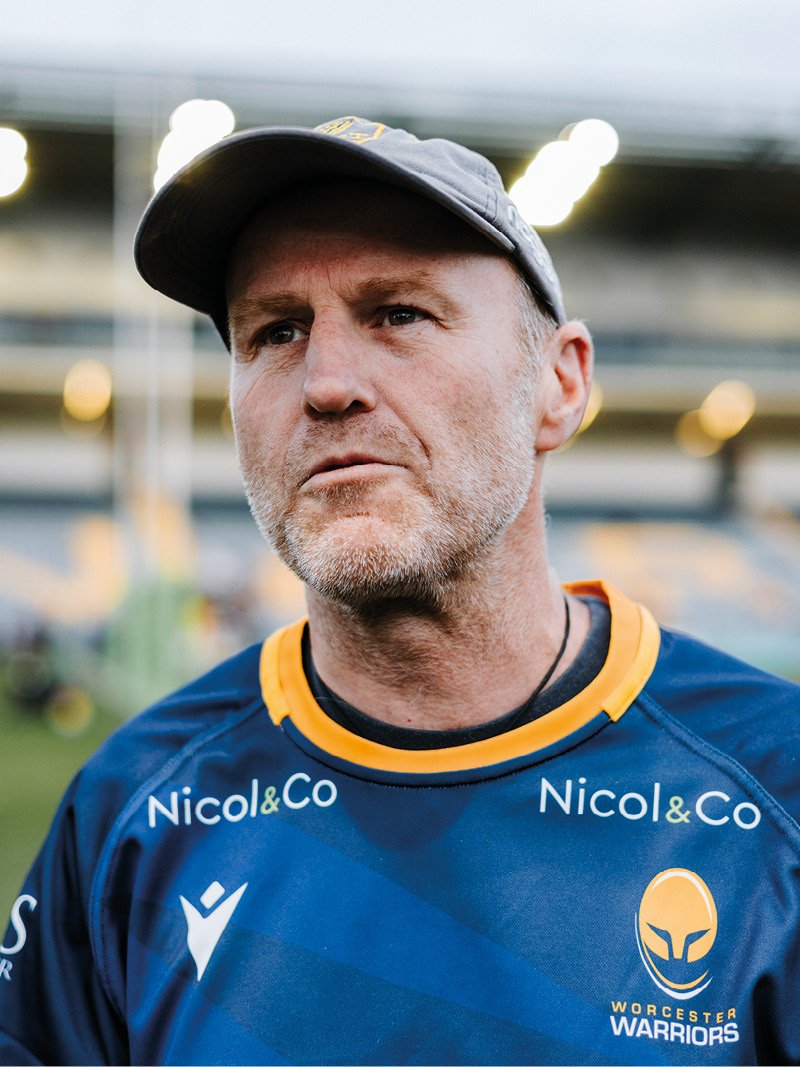
As pyrotechnics fire and Warriors-coloured smoke billows into the night air, the team charges out from the tunnel to a roar. A moment later, head coach Matt Everard emerges, quieter in his entrance but no less focused. He moves with intent to the sideline, joining his coaches with a set jaw and watchful eyes.
A former openside flanker for Leicester, Wasps and Nottingham, where he retired as captain, Matt has steadily built a reputation as one of the game’s rising coaching talents. After five years at Wasps, he moved to Leicester Tigers, initially as senior academy coach and then as defence coach. Now, for the first time, the head coach job is his. “I’m probably a little bit fast-tracked because I retired quite young at 28, went straight into coaching and had to learn quickly at Wasps,” says Worcester’s head coach.
“Then overnight Wasps went under, and I had the good fortune to go and join Leicester Tigers, which was a brilliant experience.
“I’ve probably been fast-tracked because I was a bloody average player, and I’ve found a real love for coaching earlier than a lot of players that were better than me, that had longer, more successful careers, and therefore came into coaching later.
“For me, the metrics of success are winning silverware, which we didn’t do while I was at Leicester. So, did I feel like it was a successful coaching campaign when I was there? I had a great time and learnt a lot, but we didn’t win, so, I don’t know.”
Despite his own doubts, many would consider Matt’s time at Leicester a success. The Tigers reached a Premiership semi-final in 2022/23, followed by a Premiership Cup final the next season, and last year boasted the second-best defence in the league, behind only Bath.
He was still with Leicester when the opportunity at Worcester first surfaced, though, by his own admission, he was kept somewhat in the dark during those early stages. “It was November last year that I first had a phone call from Chris and Stephen,” recalls Matt. “We’d all been affiliated and worked together at Wasps, so we all knew each other pretty well.
“At that point, it was all quite hush-hush around Chris owning Worcester and Sixways. They invited me for a coffee at Sixways, so then I drove down on a day off, got there and asked what the hell was going on.
“Chris explained the situation and then Stephen talked about the project and how he wanted to build something at Worcester. They said they were really interested in me being head coach and assembling a team and a management group from scratch.
“I remember driving home, my mind was absolutely going like the clappers. I sat down with my wife and gave her verbal diarrhoea for about two and a half hours about what an amazingly unique opportunity that is in sport and in rugby.
“I think she could probably see the excitement in my eyes. At the end of that evening, she said, ‘you got to do this, this sounds unbelievable, and look how excited you are’. I probably knew that night that it was something I really wanted to be part of.”
Matt was ‘stood down’ from his role as defence coach at Leicester in February and announced as Worcester’s head coach in May. But he was far from idle in the intervening months, working behind the scenes with Stephen and others to pull the personnel of a rugby club together, basically from scratch. “Steve and Chris were incredible in giving me autonomy in putting the squad and staff together,” says Matt. “We definitely looked at the top four clubs from last season in the Prem, the URC and the Top 14, and what the demographic looked like in those clubs.
“That was a really useful project to do, and we understood the importance of getting players with senior experience, who have played in some huge games for huge clubs and what winning looks like. We also needed the energy and enthusiasm of talented younger players that are just so desperate to slingshot their career in the right direction.”
One by one, the new Warriors were revealed, often in playful, creative fashion. The club’s Instagram account leaned into the mystery with its recurring ‘Guess the Warrior’ posts: cryptic player facts teased in the captions, fans piling into the comments with their guesses, before a Top Trumps-style graphic finally gave the game away.
Away from social media, the team went hiking and camped in the Malvern Hills, where a few of the less outdoorsy members of the side failed to bring tents and had to sleep in their cars, and had bonding sessions where beers were passed around freely. Since then, it’s been all about the rugby, and how to challenge in a new-look league for all participants, not just Worcester. Matt is ready for the challenge. “I think the Championship is getting far better, it’s improving again and again,” considers Matt. “Ealing have deservedly been the flag bearers for a while, when you put people like Craig Newby into Cambridge, you put people like Dave Ward into Ampthill, they’re going to improve those clubs massively and the league as a whole. The clubs are all really well run, and there’s some brilliant coaches like Craig Hammond at Nottingham, who has done very well.
“What we’re doing here is far from a phoenix rising from the ashes, in my view. This is a new club with new ownership and new people. It’s a new team, but to have that extra little bit of emotional affiliation for the city and the fans is huge for us.
“It would be irresponsible of us to start throwing around the P word or anything like that, but let me tell you, I’m really excited about this side.”
As the announcer runs through today’s line-up, which features experienced Premiership players like Tom Seabrook and promising young stars like Tim Hoyt, one name draws a louder response than the rest: “Starting at number seven… you might have heard of him, it’s Matt Kvesic.”
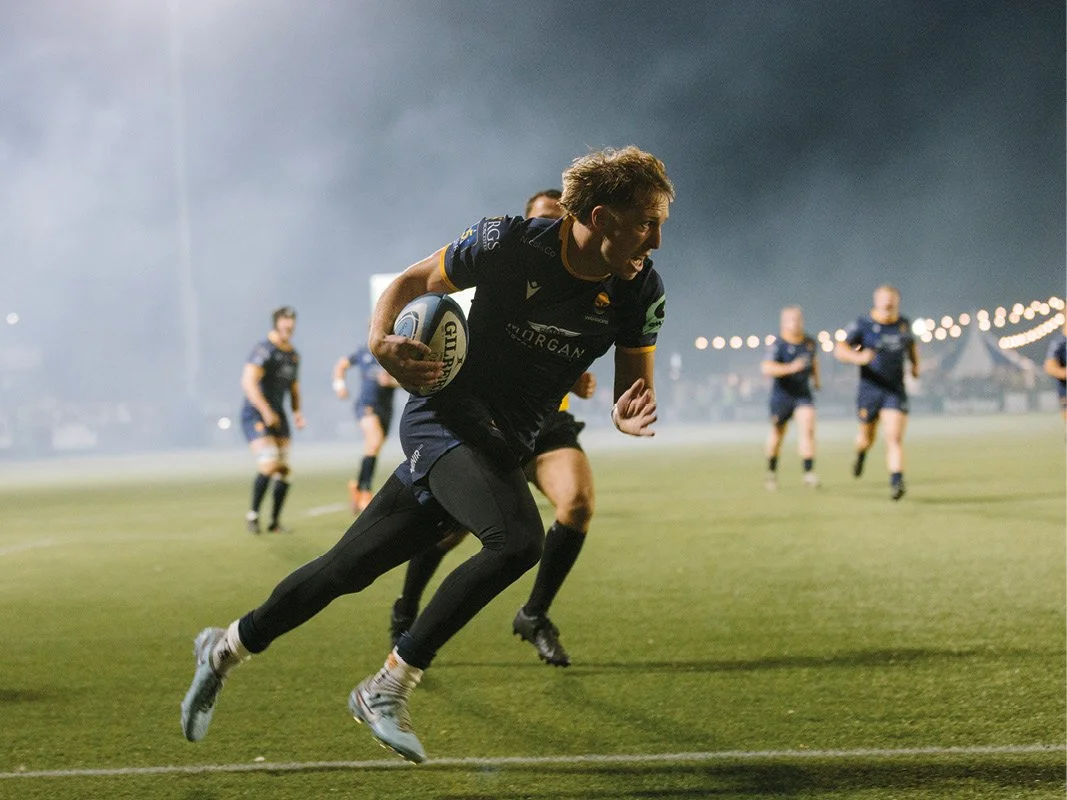
Among a handful of familiar faces, Tiff Eden, who broke through in his early days and Will Lane, a product of the academy, Matt stands out. At 33, with more than three hundred games behind him, he’s still flinging himself into breakdowns, chasing punts, and snarling into contact like a man with something left to prove.
“I get called old a lot, actually, it’s not fair mate! With the squad we’ve got, I think I’m like the seventh oldest,” laughs the veteran flanker and, let’s not forget, former England international. “I genuinely believe I can still add value as a player, but also around training, I want to help out with breakdown drills and all that stuff.”
After making his debut for Worcester in 2009, Matt went from being the youngest player to ever represent the club in the professional era, to playing for Worcester on 99 occasions over two spells, the second being cut short in 2022 when the club entered administration.
Despite having spent the intervening years with Zebre Parma in Italy and then two seasons at Coventry, once the opportunity came back around, there was only going to be one answer, and Matt became the first signing of the Warriors’ new era.
“Coming back was definitely a no-brainer for me,” decrees Matt. “I didn’t think I’d have the opportunity to play for Worcester again after what happened; to have the chance to come back was amazing.
“I had a great two years at Coventry, but when the prospect of coming back became a bit more real, I was always going to come back to Worcester. It’s a proper full circle moment. I started in the academy there in 2008, seventeen years ago… maybe I am quite old. I don’t know, it’s quite emotional.
“Chris spoke to me around April time, outlining the vision for the club and how great it would be if I came back. He didn’t have to sell it to me, to be honest. My first day was really weird – coming into pre-season has big first-day-of-school vibes at the best of times; everyone’s a little bit nervous, and this was all heightened because of the situation we were in.
“But for me, it instantly felt like all the bad stuff that happened to Worcester never happened. I turn up and the whole squad is different, there are a few members of staff who had familiar faces, but more than anything else it just felt totally surreal walking around the place.
“With the rugby side of things, you’re able to get into the process of training and back to a normal mindset. We’ve had some open training sessions which were amazing to have the opportunity to connect with the fans, it was moving to see a lot of genuinely emotional people. For a lot of the new lads, I think it’s important to understand how Worcester going affected people’s lives.”
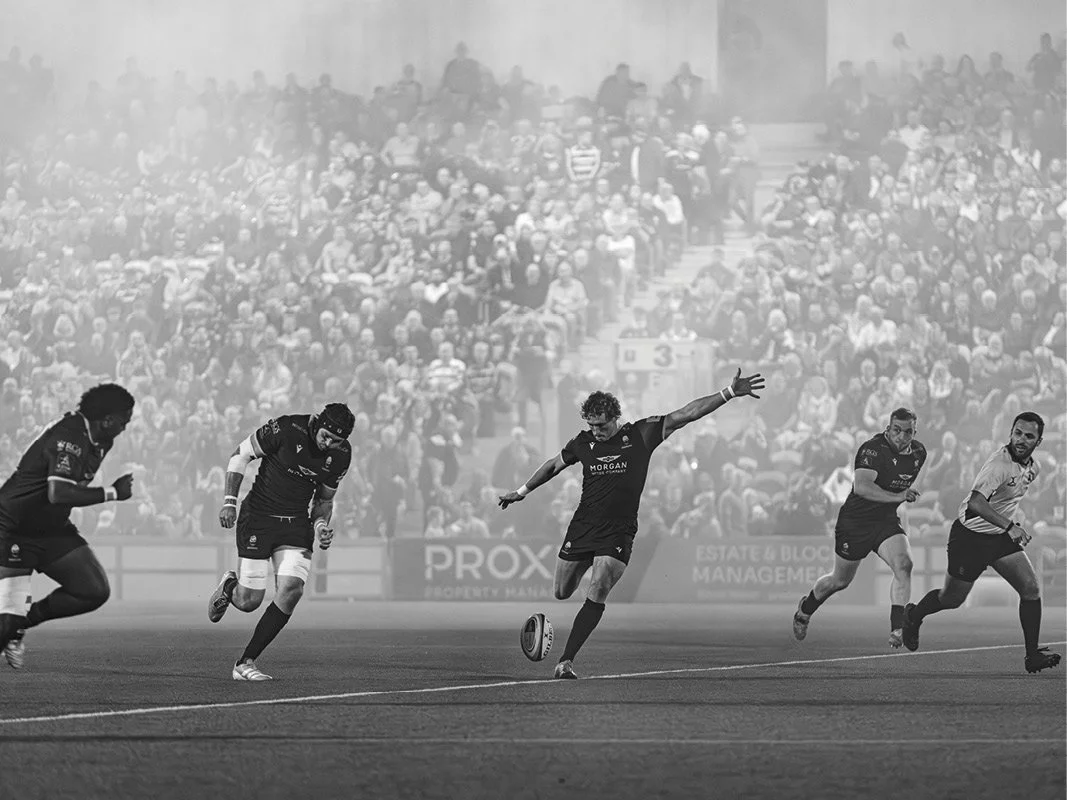
From the very first kick, with blue and yellow smoke still hanging like fog above the turf, it’s clear the Warriors have the bit between their teeth. Bath have named a strong side, featuring stars from their treble-winning season such as Ben Spencer, Guy Pepper and former Warrior Ollie Lawrence, all of whom have been handed starting berths.
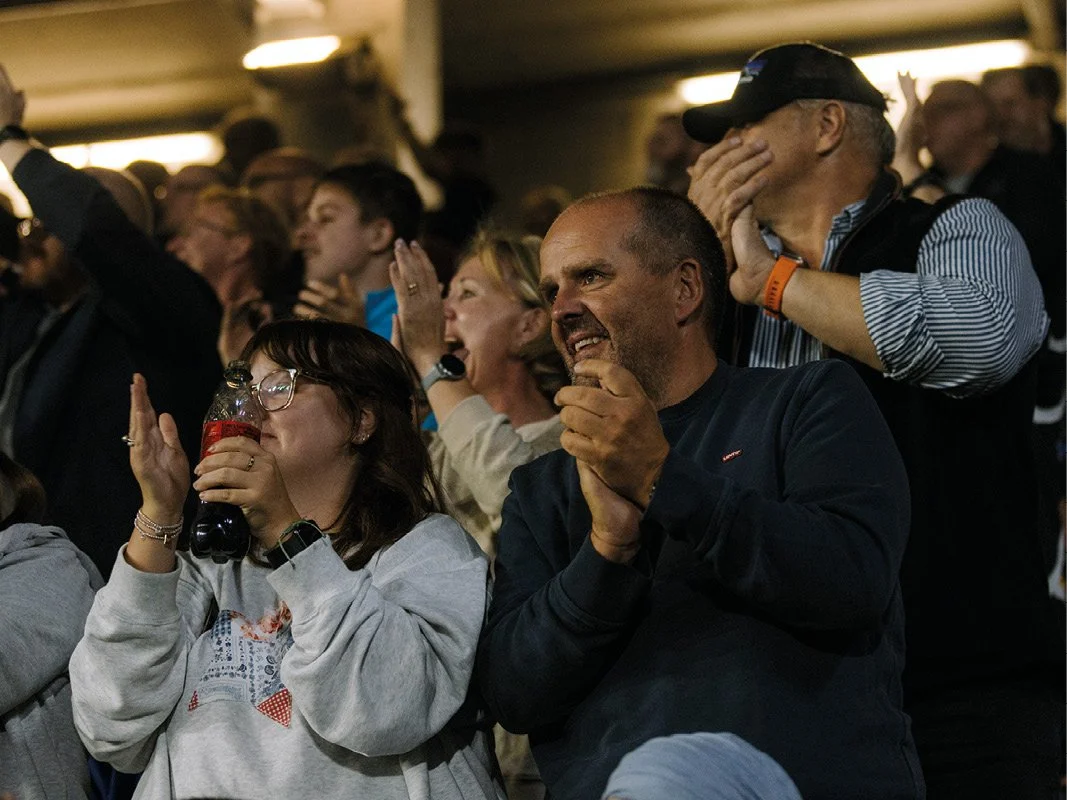
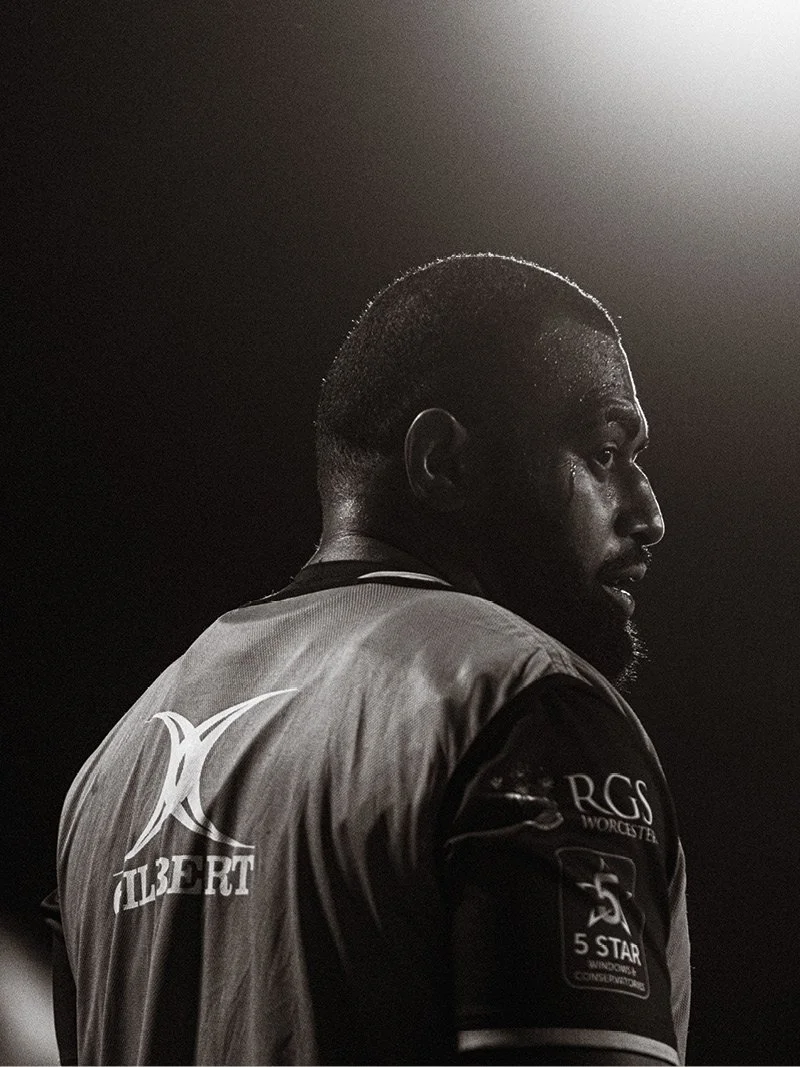
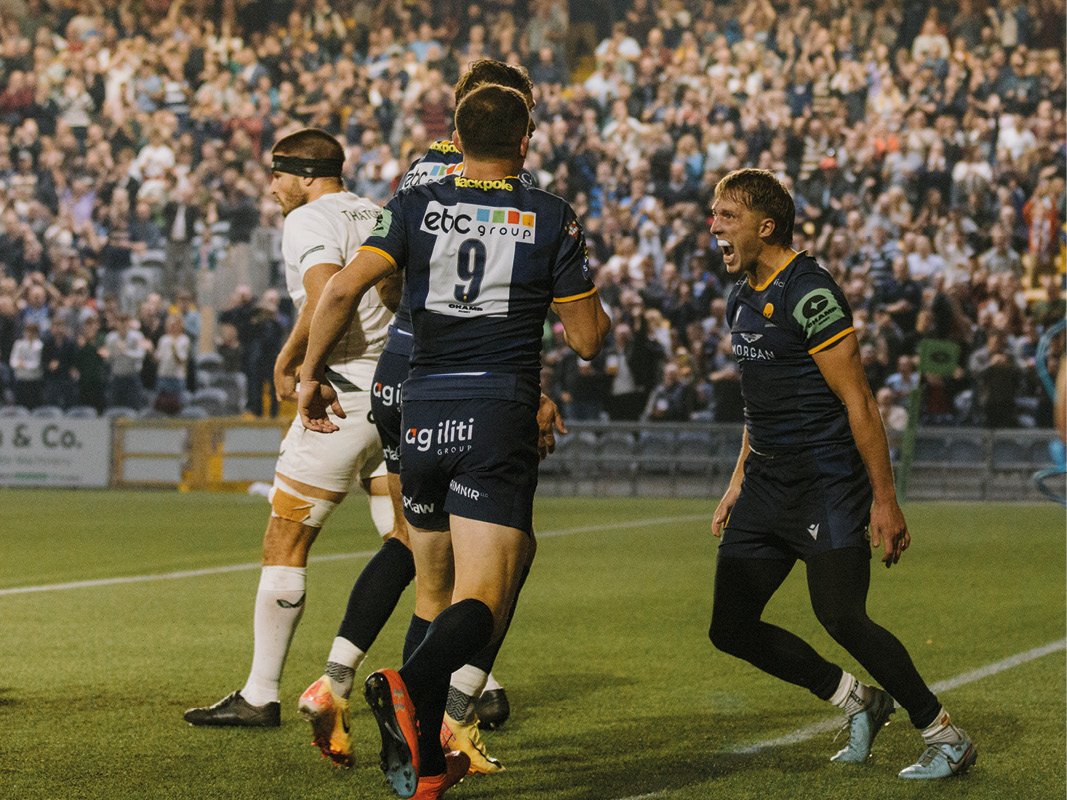
Barely three minutes in, Siva Naulago, the Fijian wing signed from Bristol Bears, streaks down the right wing and offloads to Louis Brown, the former Newcastle Falcons full-back, who barrels over the line for the Warriors’ opening try. The roar that follows is more than just excitement: it’s a cathartic blend of anticipation and release, three years of waiting, uncorked in a single, surging moment. It’s been a long time since the Sixways crowd watched their team pass down the line and a full-back go flying through to score.
Every penalty, every scuffle, every loose ball sparks a cheer. The Warriors go into half-time with a 14-12 lead in a match played at a tempo that has no business belonging to pre-season. At half-time, the vibes are strong and the music blares once more, though not loud enough to drown out a few weary predictions that Warriors could tire in the second half, having put so much into the first.
This is a knowledgeable crowd at Sixways, and sure enough Bath begin the second half in ominously clinical fashion, scoring two quick tries and exploiting some of the weaknesses Warriors have as a new side who are yet to fully gel.
There are wholesale changes in the second half, including Matt departing in the aftermath of another Bath try, which disrupt the flow of the game, but it does give the crowd ample opportunity to get a look at a lot of their new players.
With Bath leading 33-14 in the closing stages, there’s a sense that the match, after a breathless first half, might quietly fizzle out. But the Warriors dig in. There’s a final burst of energy, a few crisp offloads, and then Will Trewin slices through to dot down in the dying seconds, one last spark to stir the Sixways crowd before the whistle blows.
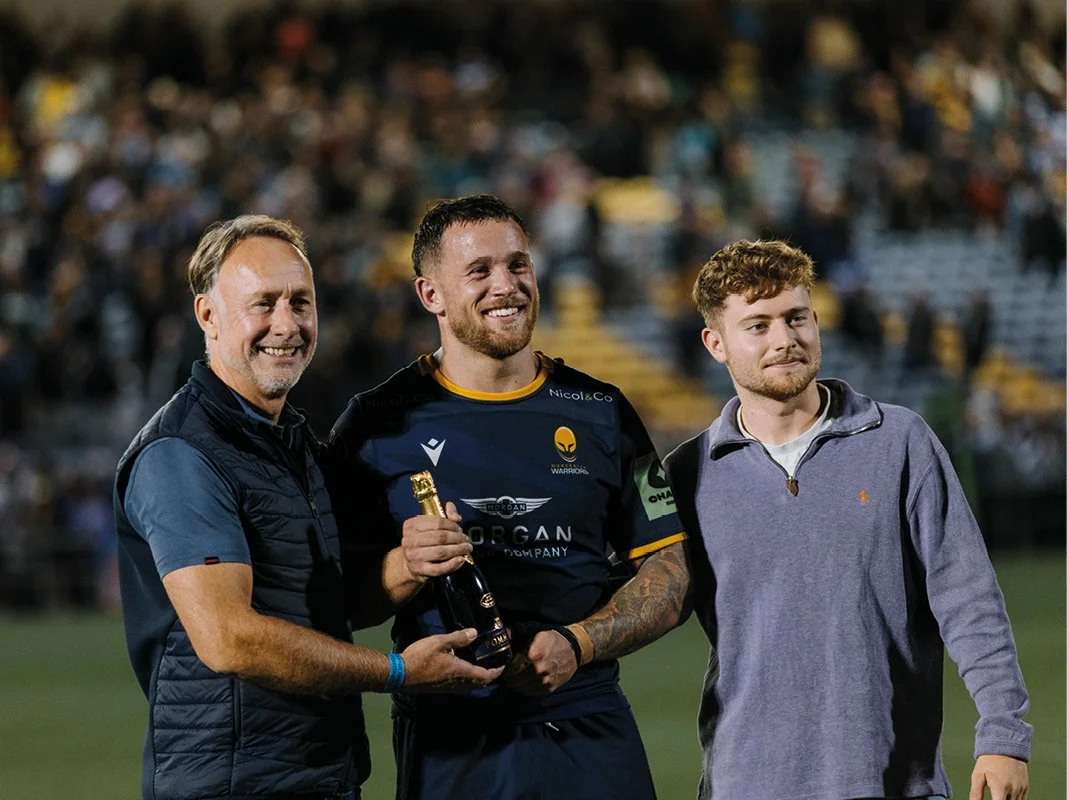
It’s been a solid outing against the best team in the land, and the slow, meandering lap of appreciation feels entirely earned. Among the last to begin the lap is Matt Kvesic, trailing slightly behind his team-mates.
With his young son in tow, he strolls the perimeter, stopping often to greet familiar faces, pose for selfies, exchanging words that don’t need microphones. “We definitely feel the emotion circling around everything,” Matt tells us. “I’ve been saying to the team that we have to embrace it. I never left Worcester, when I played for Coventry, I just did the commute from where I’ve always lived.
“I’d be doing my weekly shop, and you bump into fans who ask what’s going on, telling me that they miss the club. That was on my mind at those open training sessions, the importance of Warriors coming back for the wider community.
“I think it does add a little bit of pressure, but it’s good pressure, because it’s up to us now to perform. To keep bums on seats and supporters wanting to come and watch us play, we need to play a good brand of rugby.
“I think that’s exciting, you don’t get many opportunities to build relationships with fans like you do at Worcester.”
Around them, the usual post-match bustle begins to take over, but then, cutting through the chatter and the chill of early autumn, comes a noise rising from the Sixways speakers. The unmistakable opening notes of The Boys Are Back In Town sound out once more.
“This is a rugby city,” asserts Matt as fans begin to gently file away, “it’s huge for Worcester to have their rugby club back. They say you never know what you have until it’s gone: well these fans have been through that, we’ve got to be hugely grateful to play with their support.”
Story by Scott Duke-Giles
Pictures by Samuel Simpson-Pattison
This extract was taken from issue 31 of Rugby.
To order the print journal, click here.