Linlithgow RFC
Being outclassed by the Welsh on the pitch was one thing, but being out-sung in the clubhouse after matches proved a step too far for the members of Linlithgow RFC. And, so, 35 years ago, they finally found their voice.
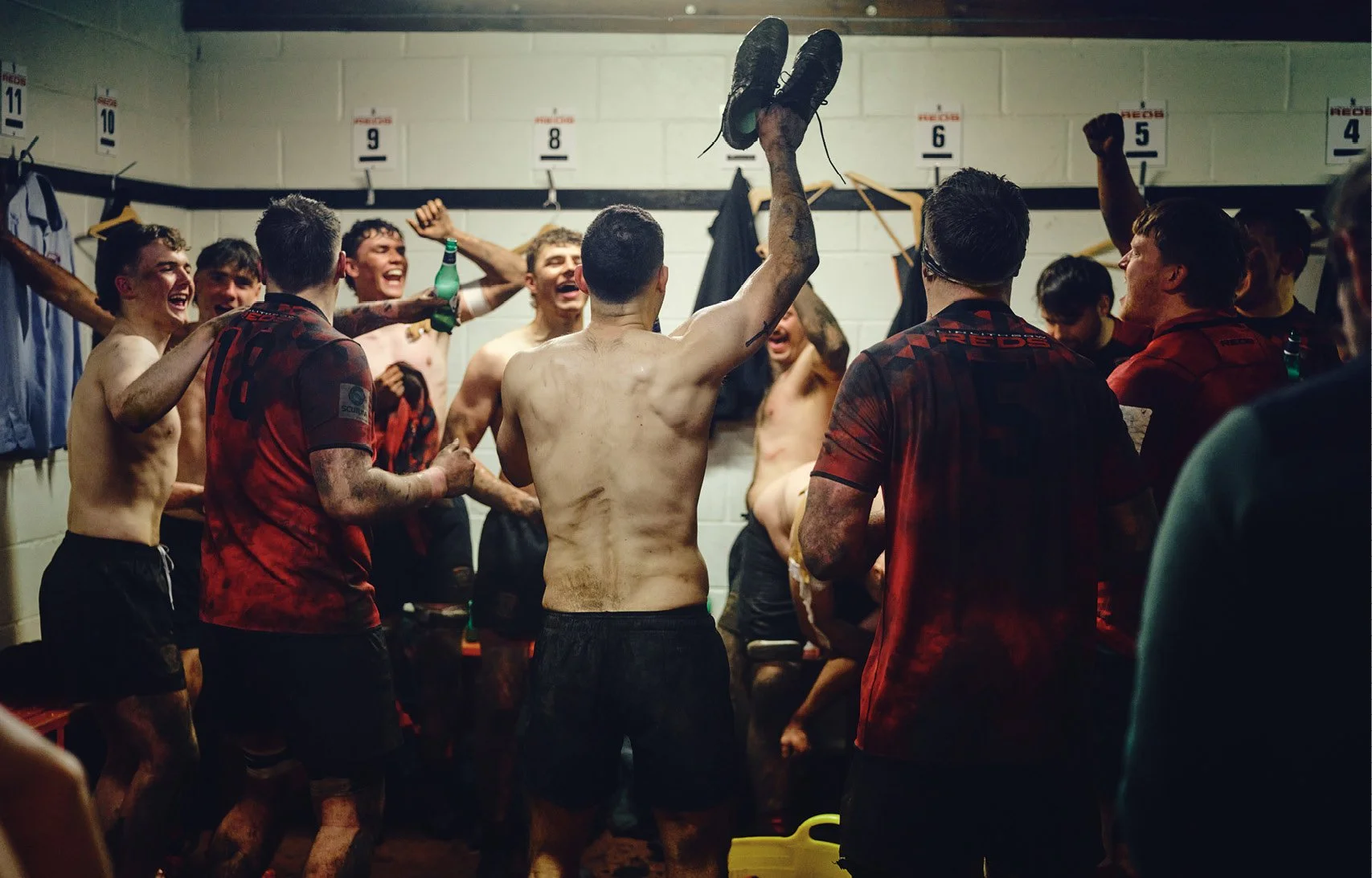
The most striking thing about Jim Carlin is his voice. Deep and commanding with perfect West Lothian tones, it used to boom out around amateur football pitches up and down Scotland in the 1980s from his time as a football referee. These days, it is put to more artistic use as Jim performs as a baritone chorister in the Linlithgow RFC male voice choir, the only rugby choir in Scotland, based in the West Lothian town, halfway between Edinburgh and Falkirk.
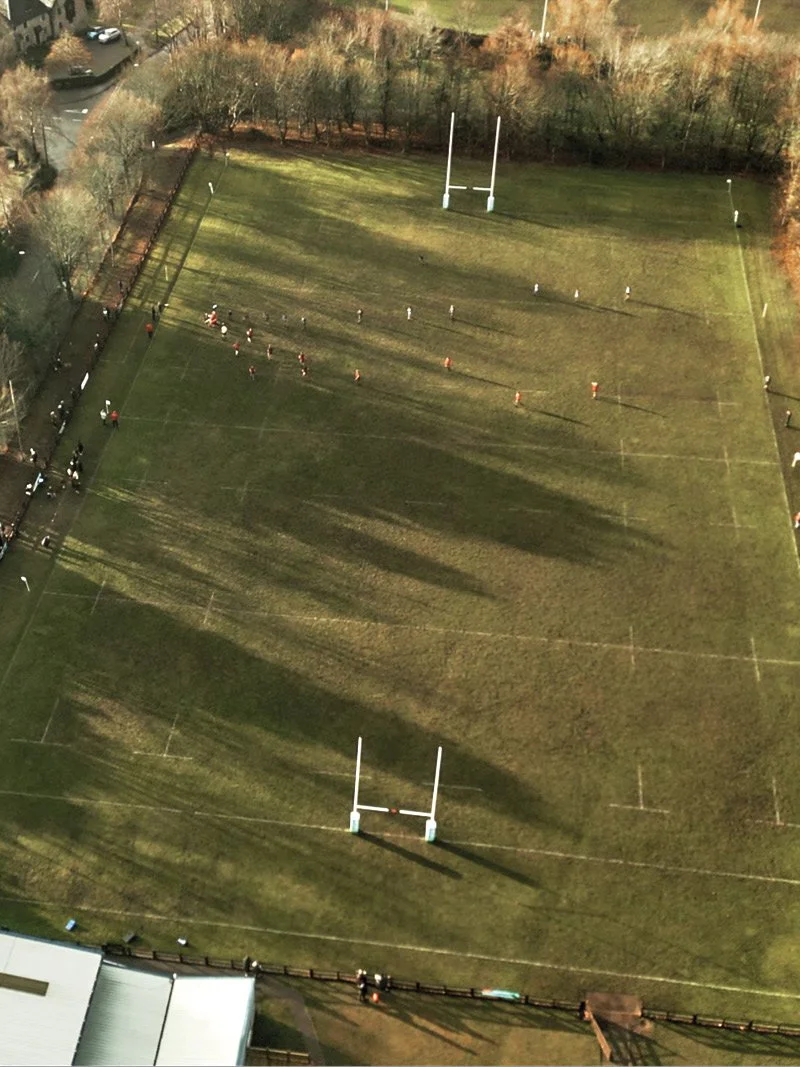
We meet him before Linlithgow take on Dunfermline in the Scottish National League Division Four at a chilly Mains Park, with the two teams sitting in fifth and ninth respectively. As we stand outside the clubhouse, looking out on a pitch which will soon host a muddy contest, Jim’s voice echoes around the ground and his breath, made visible by the cold, dances before disappearing as he tells us how the idea came about. “The choir was formed in 1991,” explains Jim, who is its chair. “Clubs would come up to Linlithgow for Five Nations internationals, and principal among those were several Welsh rugby clubs with whom we had a long-standing relationship.
“Of course, when the Welshies would come up here, they’d sing their socks off. They’d turn around and say, ‘aren’t you going to sing anything?’, and we’d mutter the words of the first verses of about three songs, it all became a bit embarrassing.
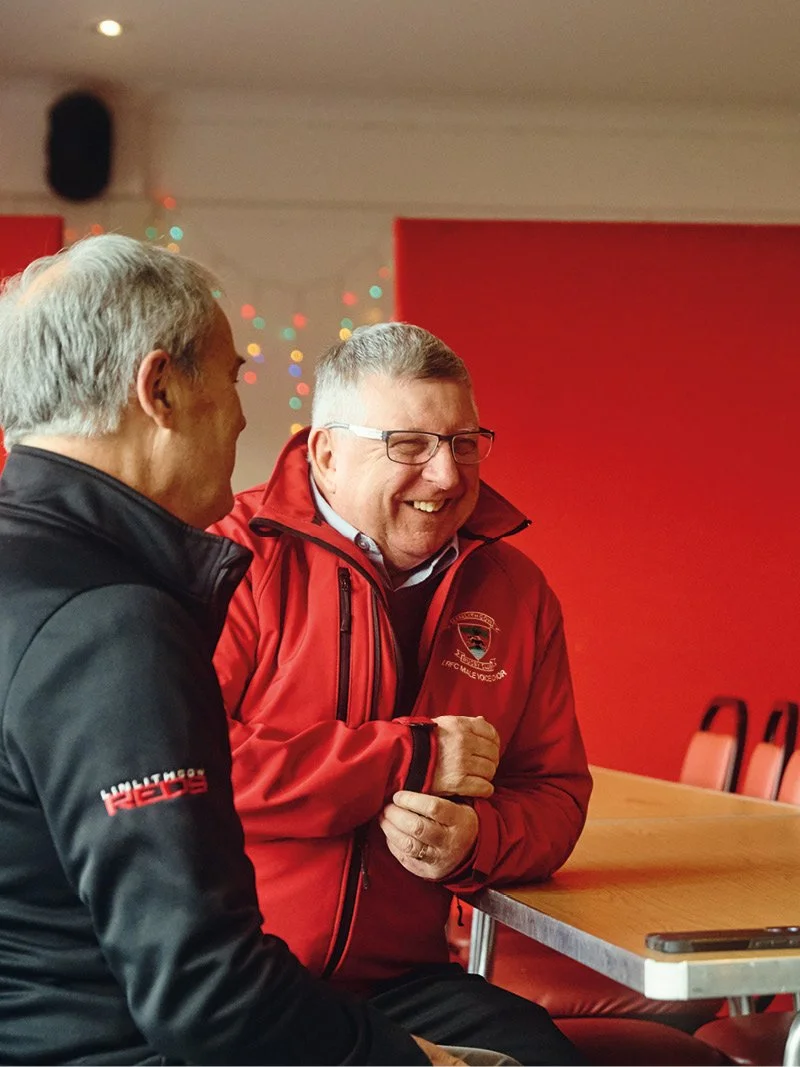
“So, the original idea was to be able to reciprocate when visiting clubs came and give a good account of ourselves in the singing stakes. But over the years that has developed; we’re by no means a professional choir, but we’re a very good amateur choir, all built from those very humble beginnings of embarrassment.
“We’ve ended up touring China, Denmark, Holland, Belgium, France, Ireland and in May we’ll be entertaining, for the second time, a choir from Bordeaux.”
According to Jim, you don’t need any link to the rugby club to join the choir, though about half of its 44 members do have one. That healthy membership puts the choir in a position many grassroots rugby clubs would envy, nearly enough to put out three XVs.
And when they rehearse or perform, they happily move beyond the songs you might typically expect from an all-male choir. “We sing right across the board,” Jim explains with a smile. “We sing Scottish favourites, as you might imagine, but we do some classical stuff and some popular anthems. The songs from the shows are now very popular, so we’ll do songs from Les Miserables, for example.
“And we take on the classical stuff, like the Soldiers’ Chorus and bits from the Hallelujah Chorus. It’s a very broad church as far as the music is concerned, which makes it more entertaining for members, because you’ve got to be on your toes.”
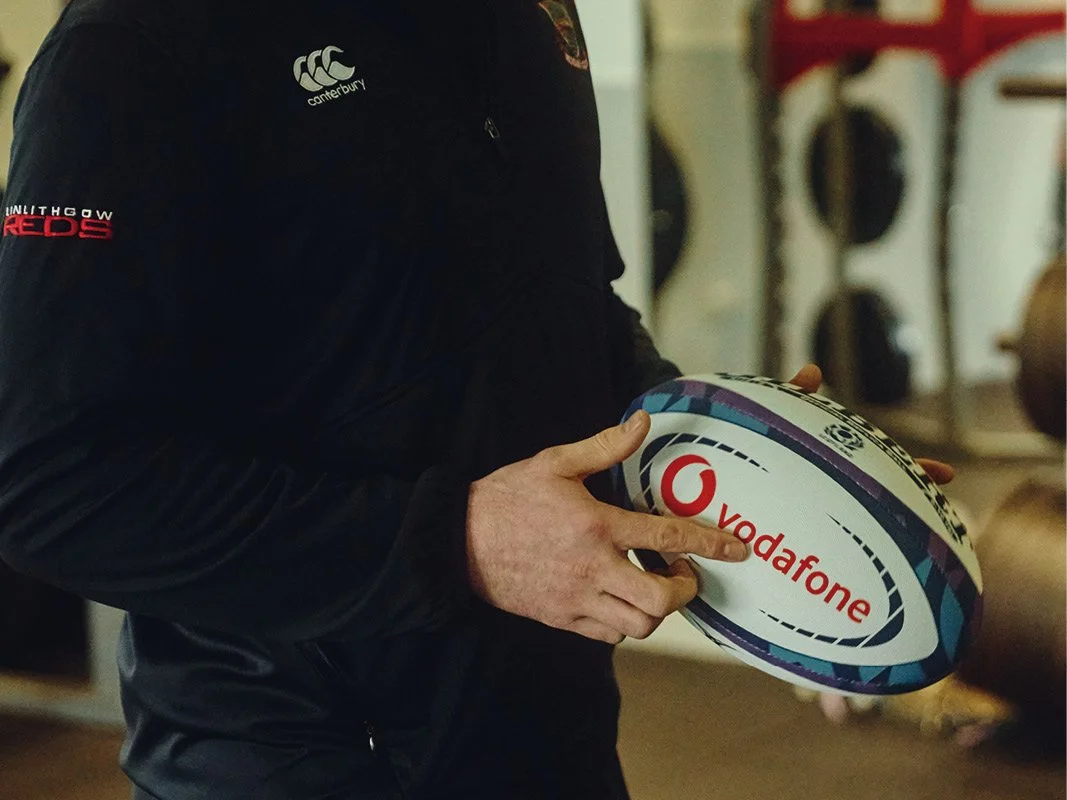
The choir rehearses weekly at the rugby club and a few weeks before our visit to Linlithgow found itself entertaining the Scottish national side. Gregor Townsend’s men dropped in midway through the Quilter Nations Series, seeking a brief escape from their Edinburgh hotel, and between plates of food, air hockey, darts and cards, were serenaded by Jim’s choir, an unexpected soundtrack to elite rugby’s carefully managed downtime.
“All told, they were there for about two hours, they brought out their own caterer, and then we came on and did three or four numbers for them just before they headed back to the solitude of the hotel. We didn’t do them much good, obviously, because then they got themselves stuffed by Argentina.”
Linlithgow is a historic town of around 13,000 people in West Lothian, roughly twenty miles west of Edinburgh. It sits alongside the stunning Linlithgow Loch, which stretches for 1.4 kilometres and is today alive with fishing boats, all hoping to land some of the premium trout that call the loch home.
We’re here as part of Vodafone’s clubs.connected programme in partnership with Scottish Rugby, which is helping to connect grassroots rugby clubs across Scotland with connectivity, improving matchday operations and overall efficiency.
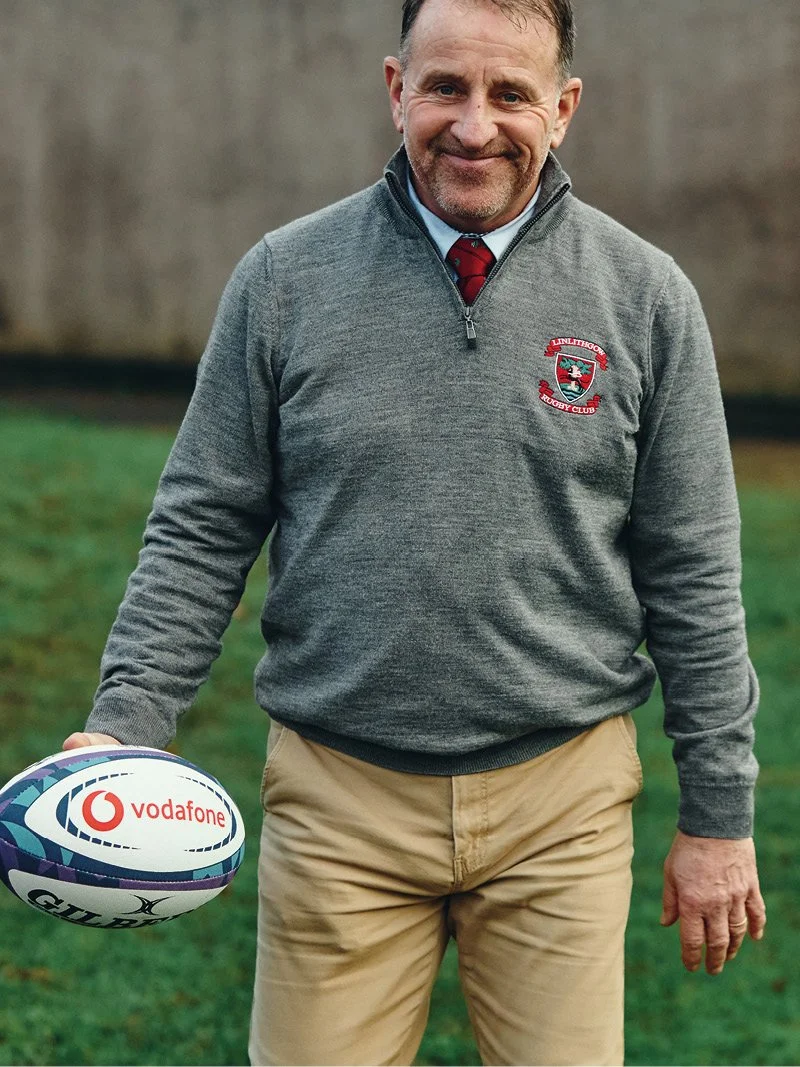
Ever-present on matchdays is the club’s enthusiastic secretary, Ken Richardson, who moves around the premises with notable alacrity. An authority on both the history of Linlithgow RFC – he quite literally wrote the book for the club’s fiftieth anniversary in 2020 – and the town itself, Ken finds time to talk us through its distinguishing features, shortly after explaining how the club managed to cook a vast paella for the entire Scottish squad and staff beneath a makeshift gazebo.
“There’s quite a few unique features in Linlithgow,” Ken explains, gathering himself post-paella chat, “one of which is a ruined royal palace.”
There has been royal residence in Linlithgow since the twelfth century, but King James I began rebuilding Linlithgow Palace in 1424, transforming the aftermath of a fire into what would become a grand royal ‘pleasure palace’.
Its decline came gradually after the Union of the Crowns, before a fire in 1746 reduced it to the romantic ruin that now overlooks the loch, impressive still, but resigned to history. “The Jameses came here to hunt and for general revelry I suppose,” says Ken. “It was quite popular with James III, James IV, and then Mary, Queen of Scots was born in Linlithgow Palace.
“The town still retains its High Street, which is fitting as Linlithgow was built around the single street, this is something you can still recognise here.
“Aside from the royal connection, it’s really a traditional market town. It had its own little industries alongside the loch, tanning and all sorts, but that doesn’t exist anymore. It’s very much a commuter town for Glasgow and Edinburgh now.”

The arrival of the railway in the 1840s came to define Linlithgow as surely as its royal past. The main Edinburgh to Glasgow line still runs through the town, placing it just twenty minutes from the capital and thirty from Scotland’s largest city.
For those who work in either but prefer to return each evening to a smaller, steadier life, surrounded by nature, a historic centre and handsome Caledonian architecture, Linlithgow presents itself as an attractive place to settle. “The town’s population wasn’t as big up until it started growing again in the 60s and 70s,” explains Ken who moved there in the early 1980s. “The housing estates built up, and gradually the town became populated with mostly young couples and families.
“If you go around the town now, you’ll see a lot of these houses that were originally built have got extensions fitted on them. Point being, that generation are still here and young people are moving elsewhere. The last few years have seen a slight shrinkage in the size of the town, because there’s so much desirable property and it’s become very expensive relative to some of the other growing towns nearby.
“People bringing up young families and so on might have a harder time living in Linlithgow, and it’s not as if we can build loads of new houses as there’s a cap by the local authority put on the developments in the town.”
Sadly, the choir doesn’t sing on matchdays, when attention is firmly fixed on the rugby rather than its associated harmonies. Not yet tempted by the West Lothian chill where today’s visitors Dunfermline are made to warm up, Linlithgow’s players head for the indoor training centre, roughly the size of a five-a-side pitch, to work through their lineouts, rucking and passing.
As Linlithgow move through their final pre-match preparations, Dunfermline retreat to the changing rooms and turn up the music. Founded in 1893, the visitors carry their history loudly, while Linlithgow, established in 1970 as the town itself expanded, remain the newer presence. “The club was founded by a group of local rugby players and quickly grew on the back of an influx of people with a rugby background moving into the town,” explains Ken. “Once established, a youth section soon emerged, and this grew with the support of a couple of teachers at the local school, Linlithgow Academy,”

Linlithgow made a strong start in the 1970s, rounding out their first decade with a Murrayfield Cup victory over East Kilbride, a side competing two leagues above them. Progress came steadily, and in 2009 Linlithgow reached their peak at 40th in the old Scottish league structure. Then restructuring, fewer national leagues, more regionality, leaving Linlithgow to settle into a long residency in East Region Division 1. They stayed there for the better part of 15 years, before storming the division in 2023/24 with an unbeaten season and climbing back into the newly slimmed national set-up. Now, in National League 4, they find themselves roughly 46th in the Scottish league structure of Scottish club rugby, as close as they’ve ever been to the heights of 2009.
In the 1980s, Linlithgow could field six adult men’s teams every weekend. Today, the club offers a broader range of rugby than ever before, better reflecting the community it works hard to represent. It’s a point that resonates deeply with club president Jean McKeown, the first woman to hold the role in Linlithgow RFC’s history, whose own rise mirrors that evolution.
Jean’s family moved to Linlithgow in 1993 and her husband played rugby at the time and as a natural support, she helped out with the pie teams. Their son Calum then went through micro and mini rugby at the club. “It’s always been a big part of his life,” she says “even when he went to university in Glasgow he continued to play for Linlithgow.”
You must have liked to see him getting stuck in? “That’s what he’s supposed to do,” she extolls drily. “Or at least that’s what they tell me. The thing is, it’s quite difficult to tell them apart, covered in mud and all the rest of it.
“I didn’t get involved with the actual running of the club until I finished working in 2018 when the previous finance director was giving up. I’m not an accountant, but I know my way around finance, that was my profession. So I said, ‘oh, I can help with that’”.
From there, Jean was elected president before the 2021/22 season, and her primary focus has been on better connecting the club with the local community. This has primarily been borne out by Linlithgow’s thriving youth section - with juniors playing from u13 right through to u18, and seven groups of ‘wee reds’ who train on evenings throughout the week.
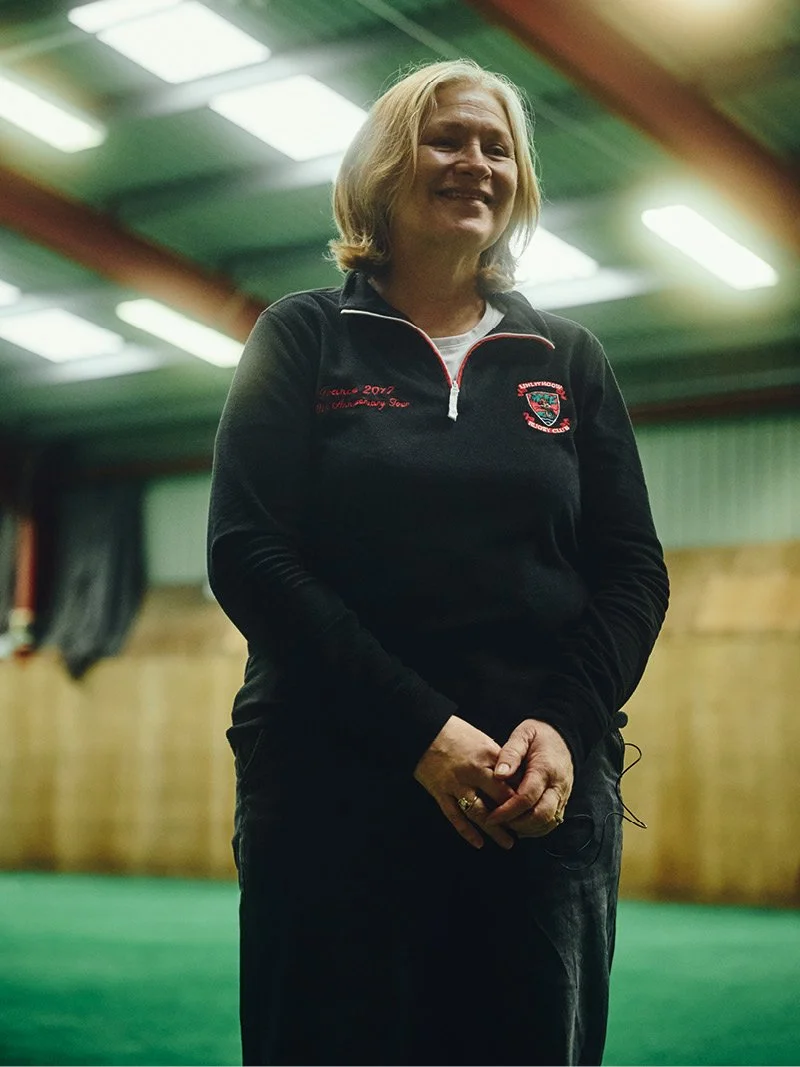
“We work hard to put ourselves out in the community,” Jean explains, “our Development Officers go out to different schools around the area, and I think we do a very good job of raising awareness of rugby in different schools, and trying to get boys and girls playing rugby.
“Children nowadays have access to so many different sports, it’s quite a challenge to get in there with everybody else trying to attract attention.
“Developing a girls’ section will be a big focus for us going forward, and I think we’ll get there one day, especially with our great volunteer support from mums and dads.
And having a thriving youth section can only serve to benefit the senior squad, something that is already paying off for Linlithgow.
“I think the statistic is something like 41 guys played for the first XV last season,” Ken chips in, “and 37 of them came through the youth system. That’s something that makes us immensely proud, and you wouldn’t get that if we weren’t an amateur club.”
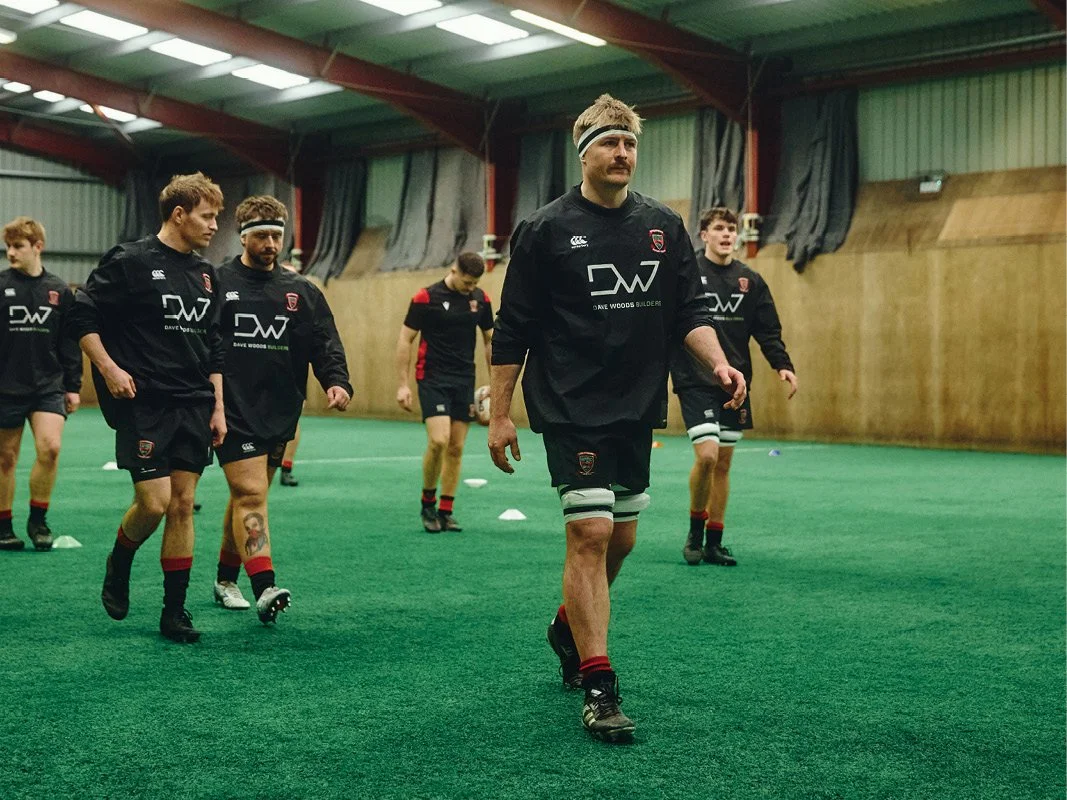
With kick-off imminent, the dark, brooding clouds above Linlithgow are pierced by winter sunshine, lending a brief touch of apricity to the otherwise harsh West Lothian afternoon. As the home side run out to applause and cheers, captain Fraser Mochrie, very much one of the local lads behind Ken’s oft-cited statistic, passes on a few last-minute instructions. When we meet him, he proves as affable as they come, sporting a moustache he admits may soon fall victim to his girlfriend’s complaints. He spends much of his working life suspended somewhere between Aberdeen and Norway as an instrument control technician on an oil rig. So when he claps enthusiastically as the teams assemble for kick-off, he has the look of a man grateful to be back on terra firma. “My schedule can be a little tough,” explains Fraser, “I’ve just spent three weeks away, now I’m home for four weeks, then I’m away for another three weeks, and then I’m home for five weeks.
“I am home more than I’m away,” he continues, “and I’ve done a six-month secondment in the office which was one of the reasons that I stuck my hand up to be captain this year. I miss rugby so much when I’m away, I even picture training and playing games sometimes when I’m floating in the sea somewhere. The more involved you get, and especially this year as captain, at times I feel a little bit helpless and a little bit guilty not to be involved.”
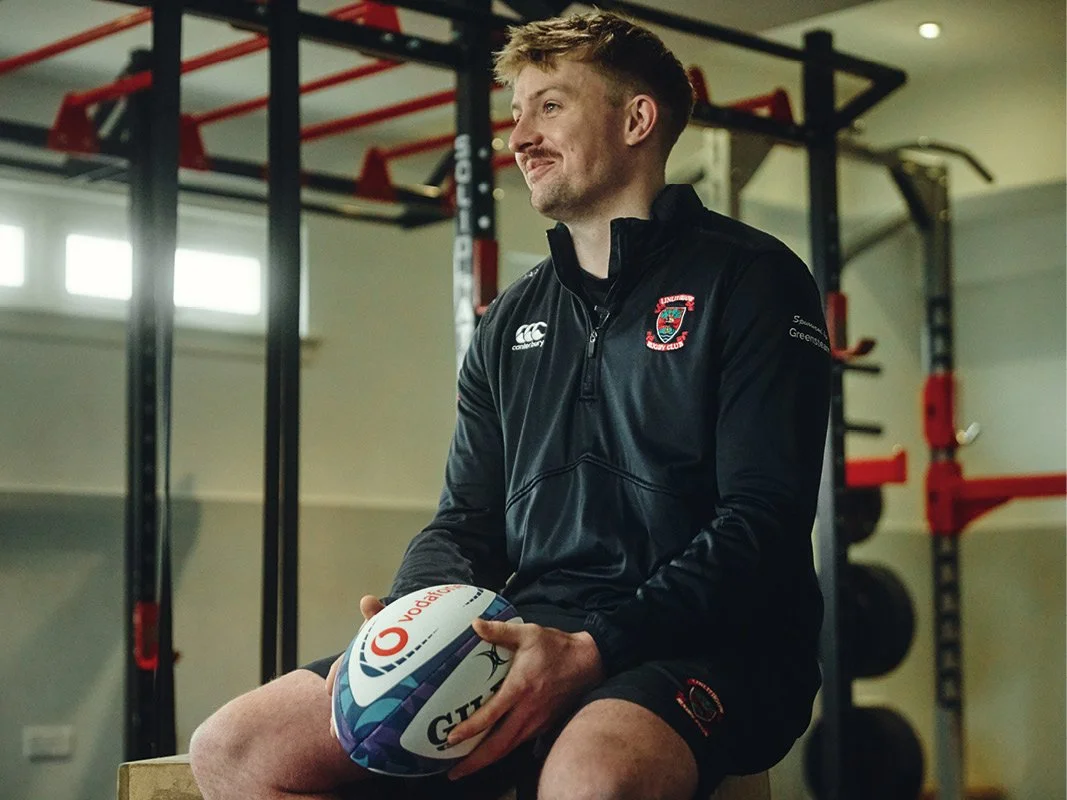
While Fraser admits to this quiet sense of guilt, his commitment to the club is unmistakable, not least in his role as the driving force behind RedsFest, Linlithgow’s answer to Glastonbury, held last May. Built around a sevens tournament and bolstered by live bands, DJs, craft beers, ciders and food stalls, the event was conceived as both a fundraiser and a community gathering. “It was a serious undertaking,” Fraser assures us, “it was months in the making, but it was an absolutely brilliant day. We’ll be back in May of this year and we need to retain our title as champions of the sevens tournament.”
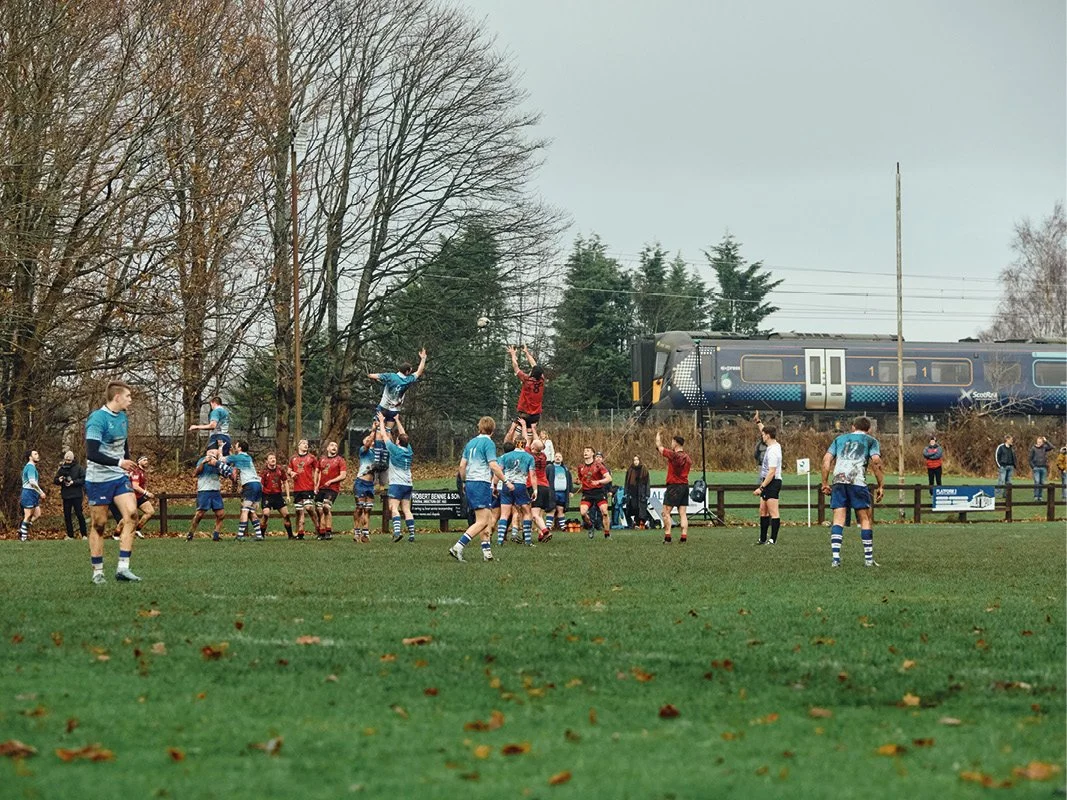
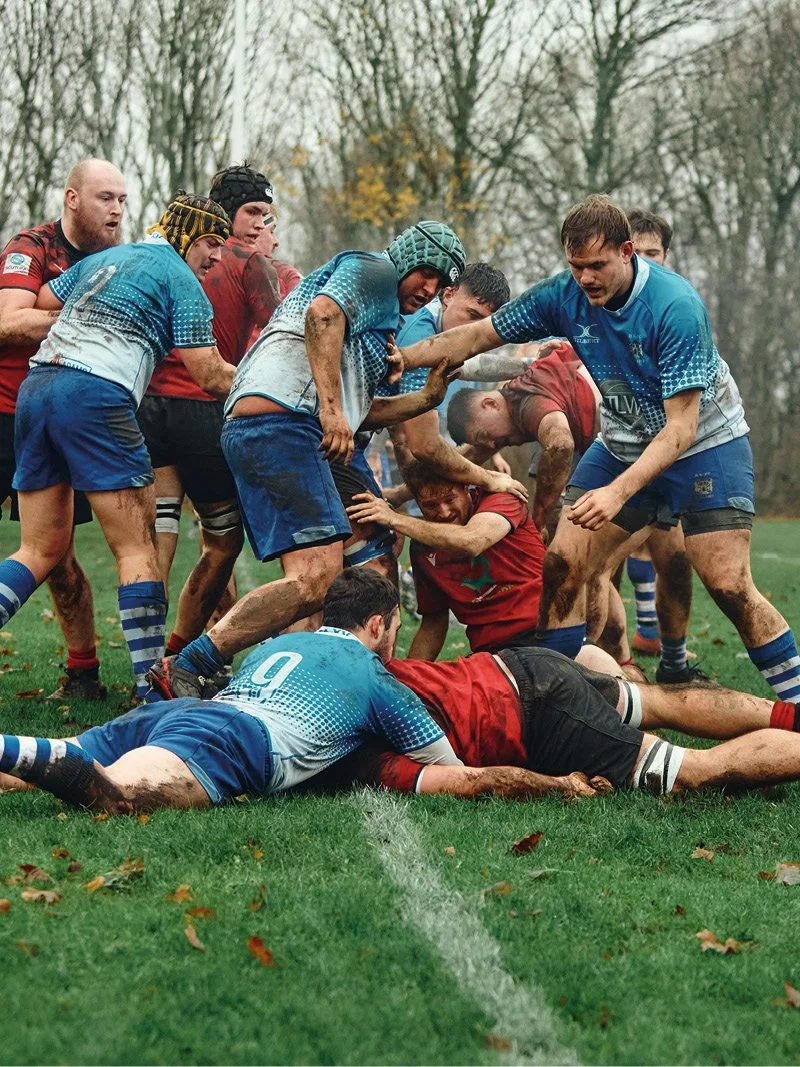
Back on the pitch, the game begins with Dunfermline launching a high kick just as a fast train from Glasgow to Edinburgh tears past along the touchline. Another roars through fifteen minutes later, by which point Linlithgow are already 21-0 ahead, having burst into the match with three early tries. They break tackles, win penalties and repeatedly force their way up field, where quick hands allow them to slice through the visitors’ defence with disarming ease.
Much of the action unfolds at the far end, leaving supporters clustered near the clubhouse craning their necks for a glimpse, and just before the break Linlithgow add another try to carry a commanding 26-0 lead into half-time. Fraser jogs off the pitch at the break, slapping the back of a team-mate who bears more than a passing resemblance to him; it’s his brother Euan Mochrie, who’s operating as blindside flanker.
Today there are two Mochries in the starting XV, though Fraser tells us that on some Saturdays, there have been three. “It’s been pretty cool playing with my brother since I’ve been in senior rugby and in the last couple of seasons, our youngest brother, Aidan, has broken into the first team. It’s been awesome playing with all my brothers, I think my dad’s head just about fell off the first game there were three of us on the same pitch.
“I’ve never had the draw to play for anyone else. Whether I had the skill or not, is very debatable, but I’ve never wanted to play in any other teams, I’ve always been quite happy just playing local club rugby.
“Even though it might be getting more expensive for the boys to live there,” continues Fraser, “I think that they’ll come to play rugby here, even if they might live in the surrounding towns where housing is more affordable. For most of the boys Linlithgow is still home.”
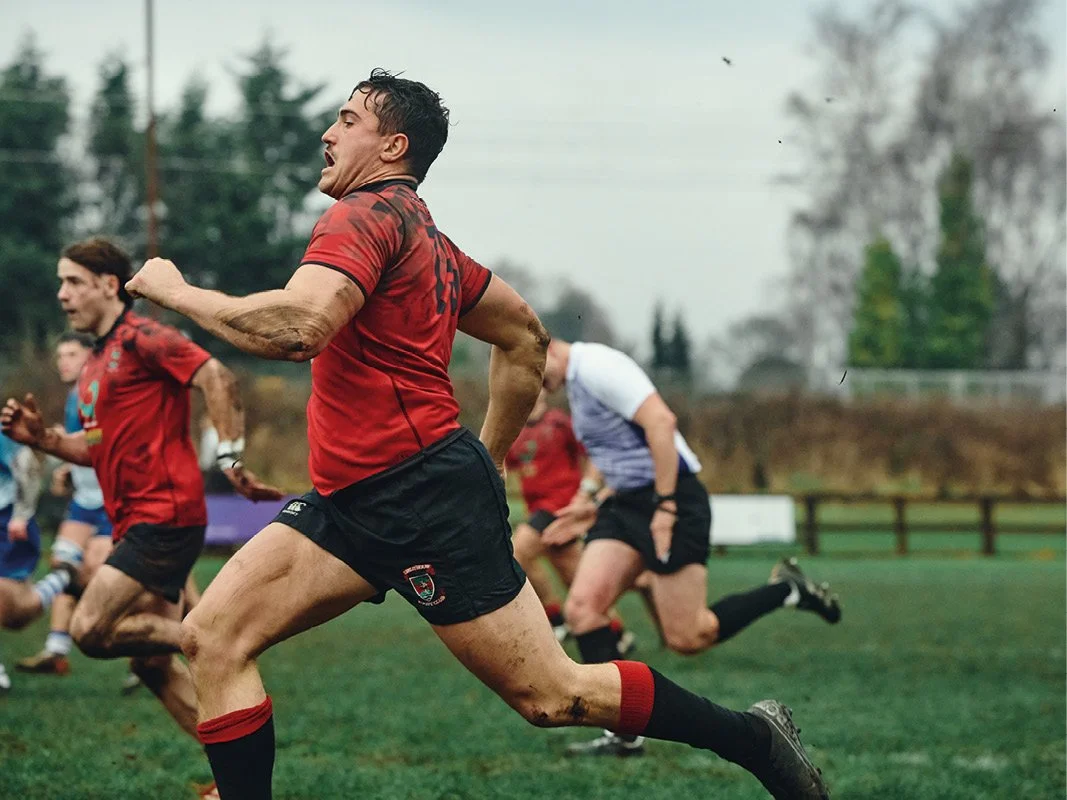
As Linlithgow emerge for the second half, those gathered urge them to be relentless. Dunfermline briefly interrupt the rhythm with a well-worked try out wide, greeted loudly by their travelling support clustered on a grassy knoll beside the pitch, but any suggestion of a comeback is short-lived.
More sharp work from winger Ruaridh Stewart quickly restores the gap, before sustained pressure draws Fraser into the line; he spots a sliver of space and flops over for a try of his own, his moustache momentarily straightened by a grin as team-mates pile in around their captain.
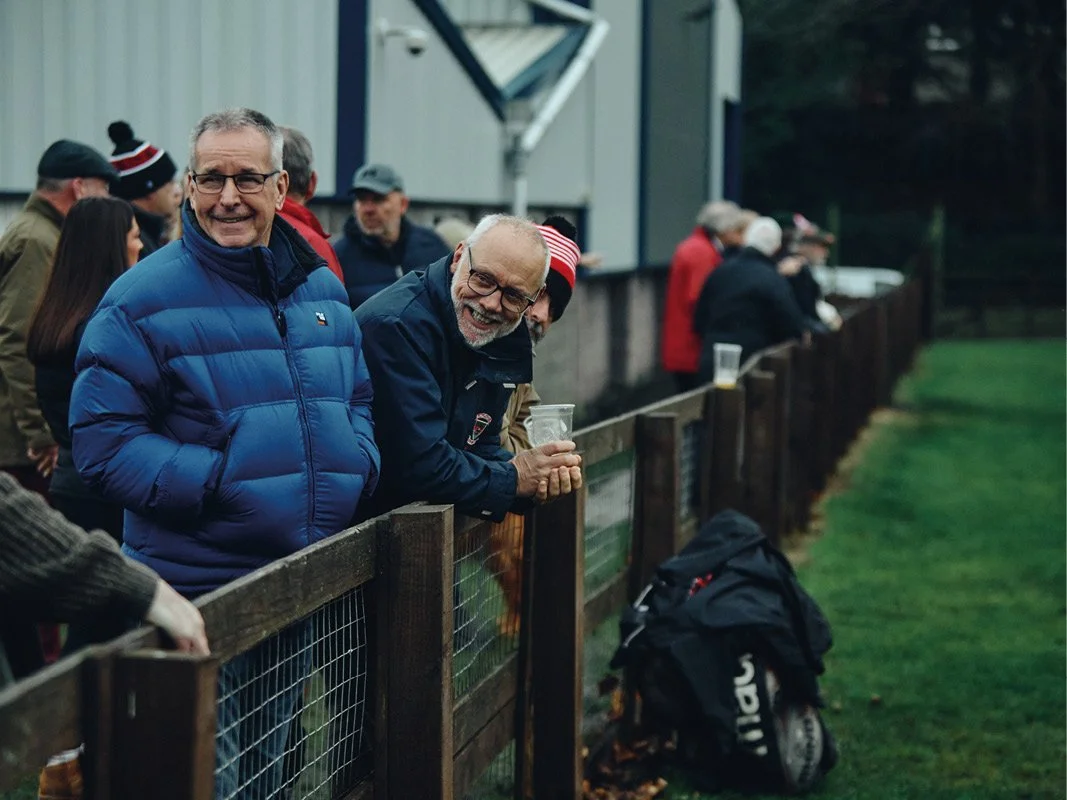
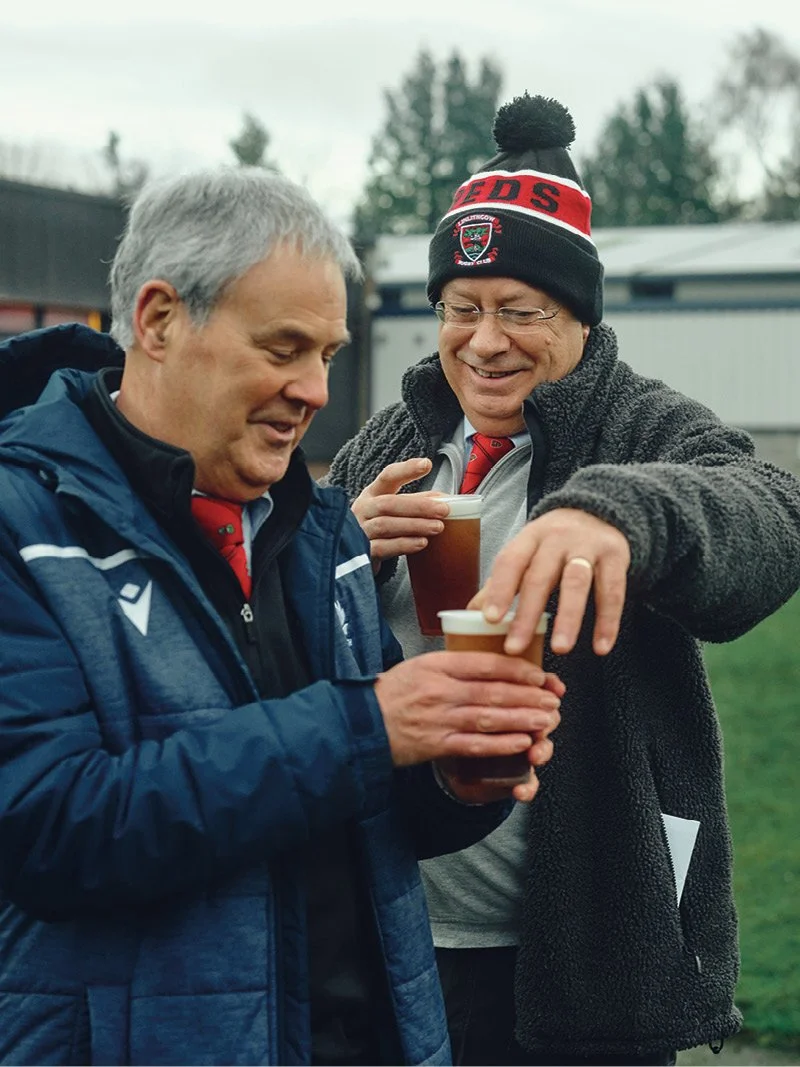
Ken appears soon after, smiling broadly and insisting we must be Fraser’s good-luck charm, celebratory ale in hand.
Linlithgow keep the ball moving right to the end, and when fellow second-rower Kieran Cochrane adds another try to make it 47–5, the final whistle feels more like a formality than a conclusion.
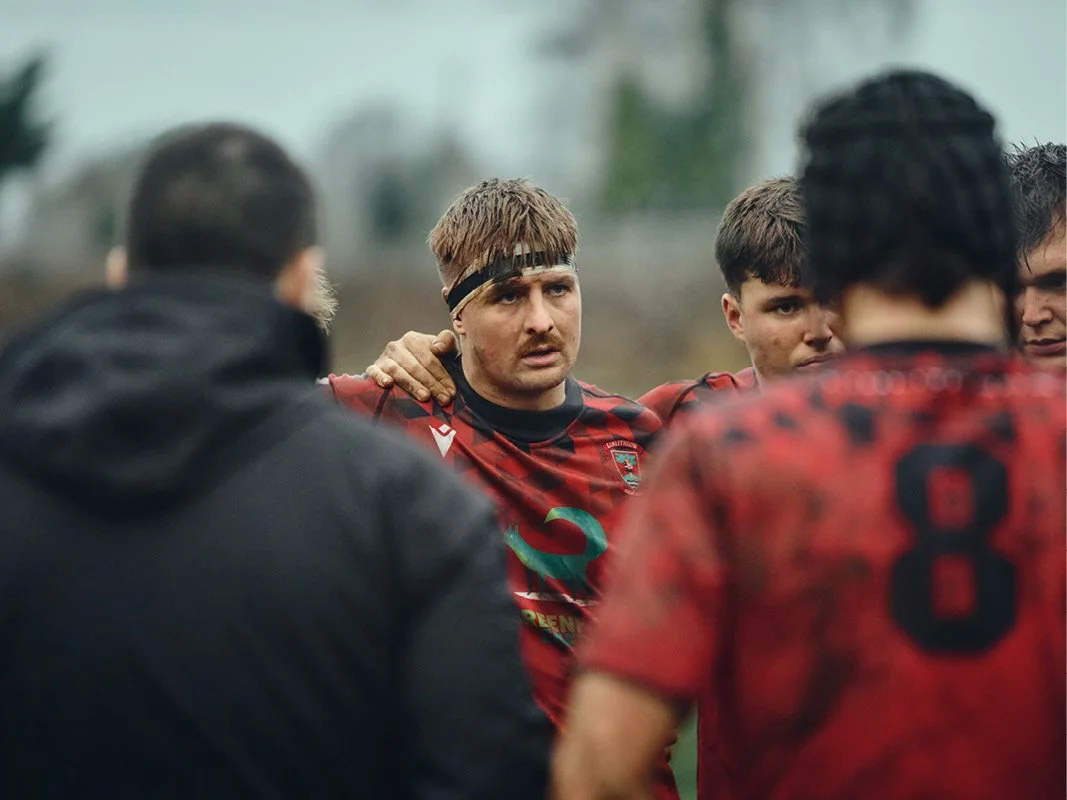
It’s been a good day for Linlithgow, but like the rest of grassroots rugby they face challenges. Clubs such as this are the beating heart of many communities, but in an ever-challenging market, they have to maximise opportunities. They have to work hard on relationships with the town, with people, staying connected with members past and present, and find ways to connect first time with members of the future.
Ken charts how the club clung to both players and finances through Covid and its aftermath, before turning to the quieter, more persistent struggle of making a grassroots club appealing to young people in an age thick with distractions, technological and otherwise.
The latter is being helped in part by the frequent use of the indoor training centre, where the Linlithgow side did their warm-up. It is used for kids rugby and football, with Ken sure that is the club’s best connection to the local community.
Financial and availability challenges are faced by clubs across the country, but with Linlithgow in mind, Ken is clear about who Vodafone’s clubs.connected scheme with Scottish Rugby is really for, and why it matters here to have a fast and reliable connection and opportunities to pass on the benefits to our community. “Vodafone’s partnership with grassroots clubs helps take the strain off the volunteers who run the club,” he says, “and that’s the biggest thing really. As far as technology is concerned, none of us are experts, the club is run by volunteers, so when it comes to specifying what we need going forward, it’s quite tricky.
“That’s why Vodafone’s programme will be great for us, because we’ll have expertise guiding us through any technological challenges.
“Our till systems are connected to it, our Wi-Fi is connected to it, we’ll have our alarms connected too, and all of these things need to work for the club to survive.
“If any of those things – tills, Wi-Fi, alarms – go wrong, it’s a real challenge, because trying to fix them when you’re not an expert is a pain. You’ve got to track things down and phone people up.
“Having a contact we can rely on is the key thing for us, because we can just ring them up if there’s a problem, and as volunteers, that makes our lives a whole lot easier.”
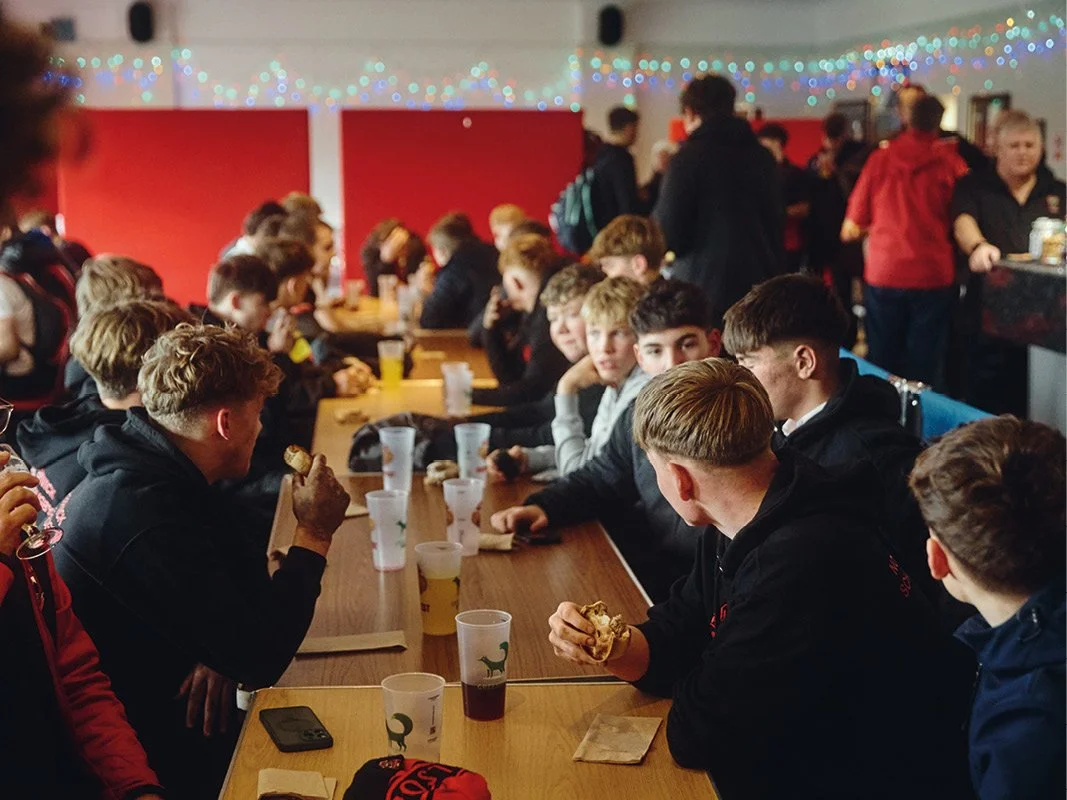
As our conversation with Ken wraps up, people continue to drift back towards the clubhouse, where the early stages of a Linlithgow Saturday night begin to take shape, ales poured freely, Tennent’s following close behind.
As the light fades, and the voices inside the clubhouse begin to rise and mingle in something approaching harmony, we’re reminded that only so much can change, organised or otherwise; people will always sing at Linlithgow RFC.
This article was brought to you in partnership with Vodafone clubs.connected. Get your club connected now, for more information visit scottishrugby.org/vodafone-clubs-connected
Story by Scott Duke-Giles
Pictures by André Silva
This extract was taken from issue 33 of Rugby Journal.
To order the print journal, click here.