Highland RFC
In the midst of the breathtaking Highlands, in the shadow of the epic Cairngorms, you’ll find Inverness. As beautiful as it is, there are times when it can be a tough place to call home, but community is all, especially at Highland RFC.
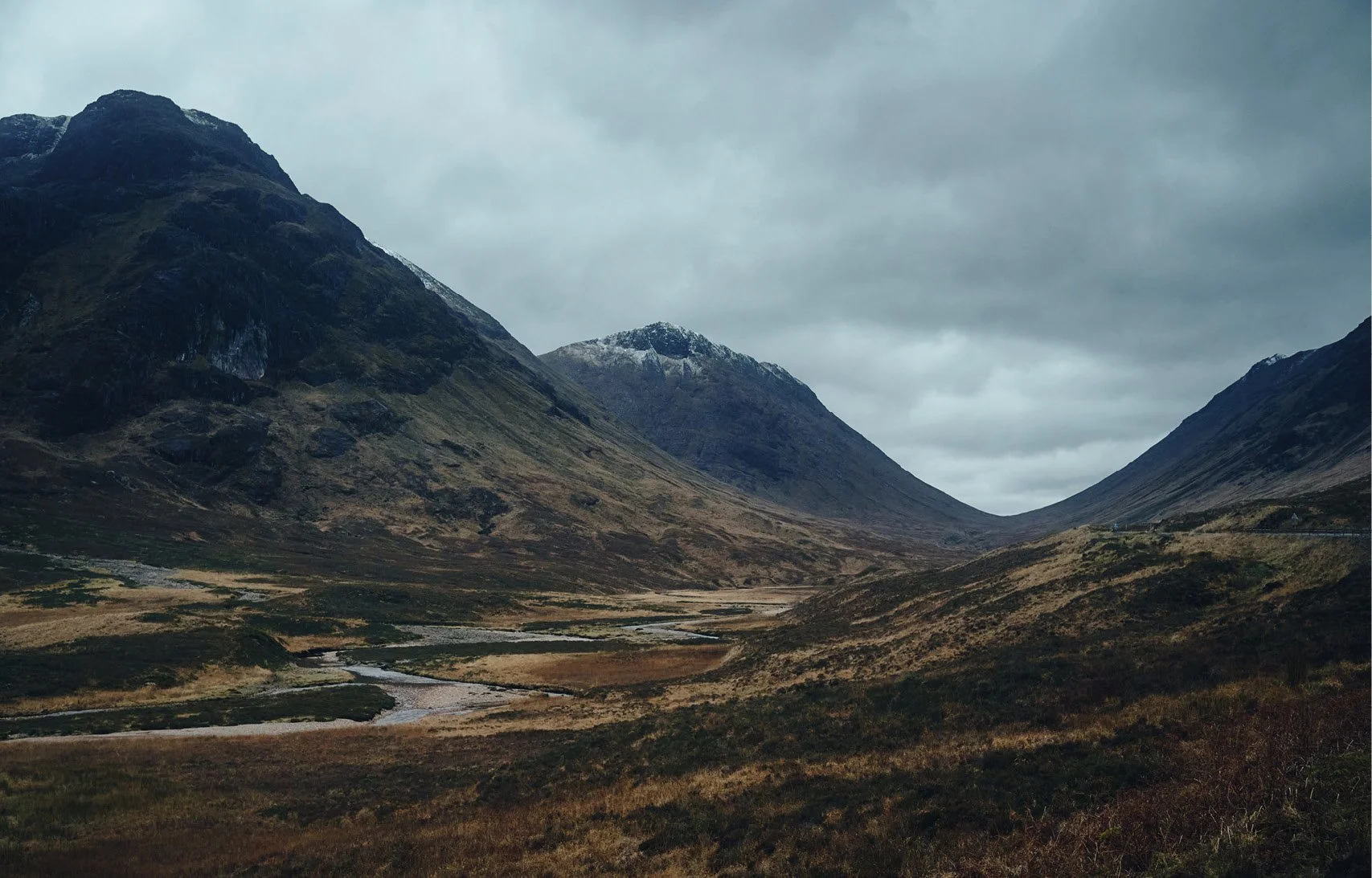
The Scottish Highlands are almost as rich in myths and legends as they are natural beauty. A mountainous region in the most northerly chunk of Britain, this 26,000 square kilometres of rugged charm can be beautiful. Shaped by weather that rolls in from the North Atlantic and brushed by light that lingers long into summer evenings, the Highlands can feel elemental in the truest sense of the word. Those who call it home live in step with its rhythms, where shifting skies and vast horizons are simply part of the everyday. In winter the daylight may be brief, but it arrives sharp and silver over the mountains and glens; in summer it stretches deep into the night, bathing some of Europe’s most dramatic landscapes in a clarity and colour found nowhere else.
Life here is shaped as much by the mental landscape as the physical one, testing resolve while also forging a powerful sense of belonging. Though the Highlands account for almost a third of Scotland’s landmass, they are home to just four per cent of its population. Communities are threaded through small villages, towns and the city of Inverness (48,248), where distance is a fact of life and people extend warmth as practice. But remoteness can carry its own challenges; here, rates of loneliness and suicide sit above the national average.
Community can be everything, knowing people are there – even if they’re a good drive away – is all-important, which is where rugby comes into its own. Specifically, in Inverness, there’s a beacon in Highland RFC.
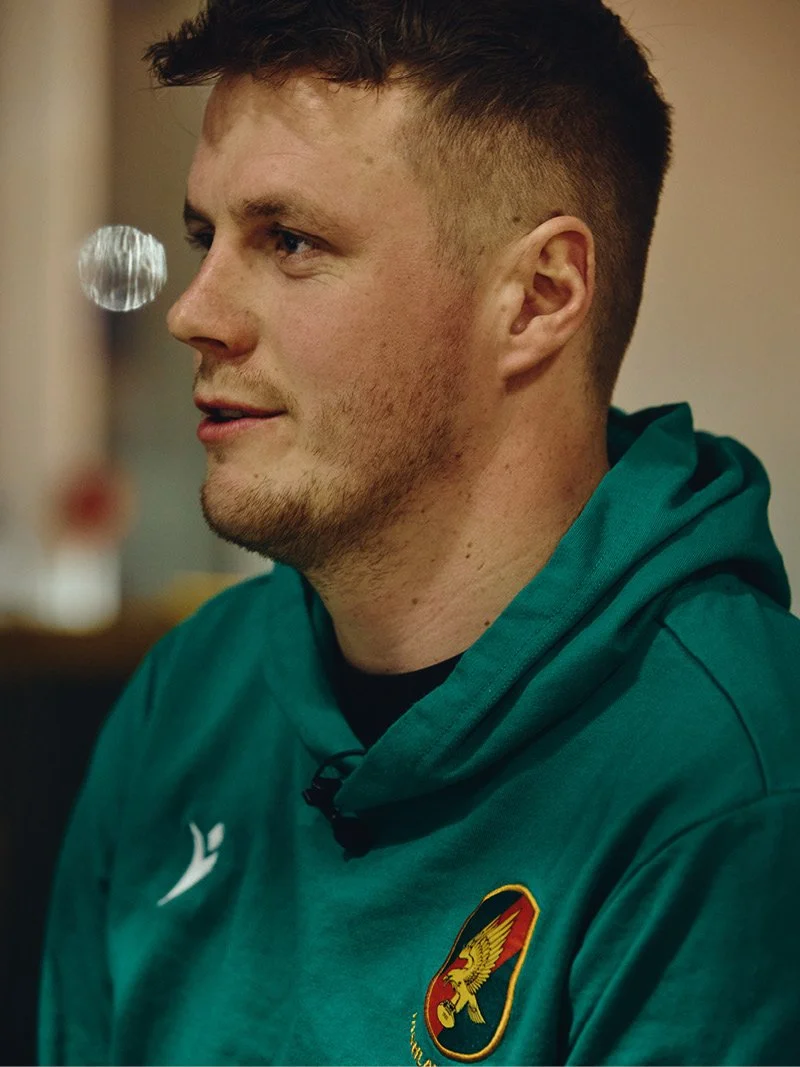
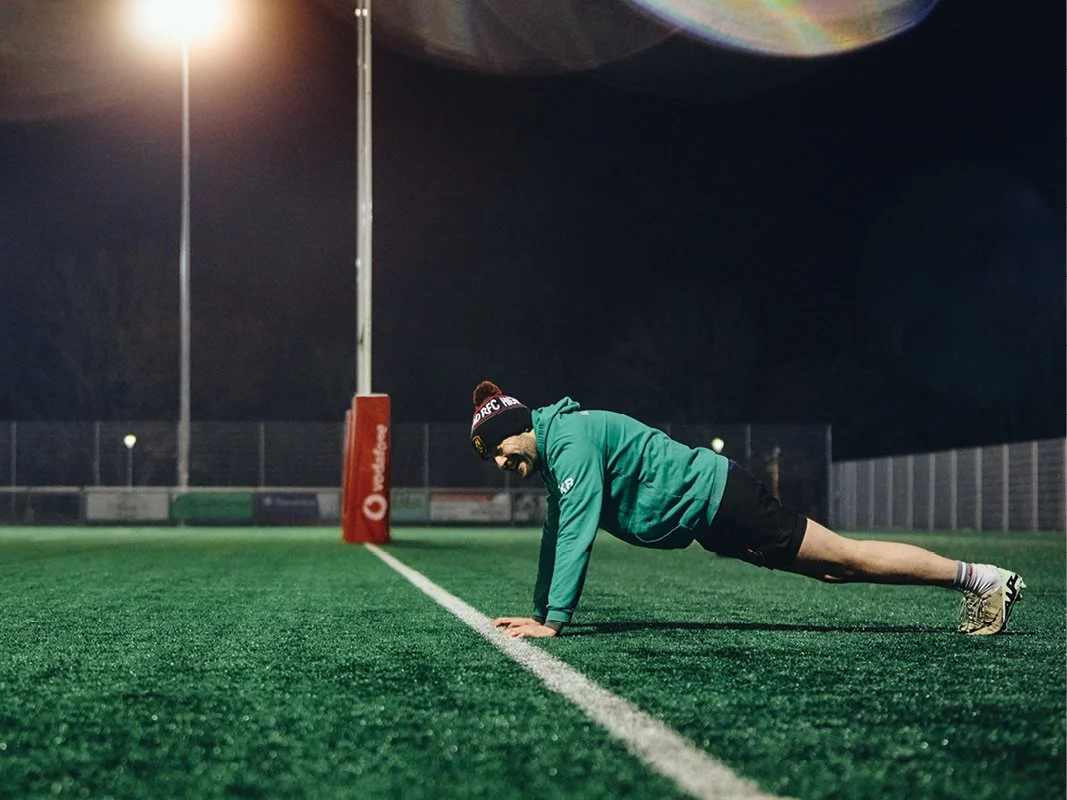
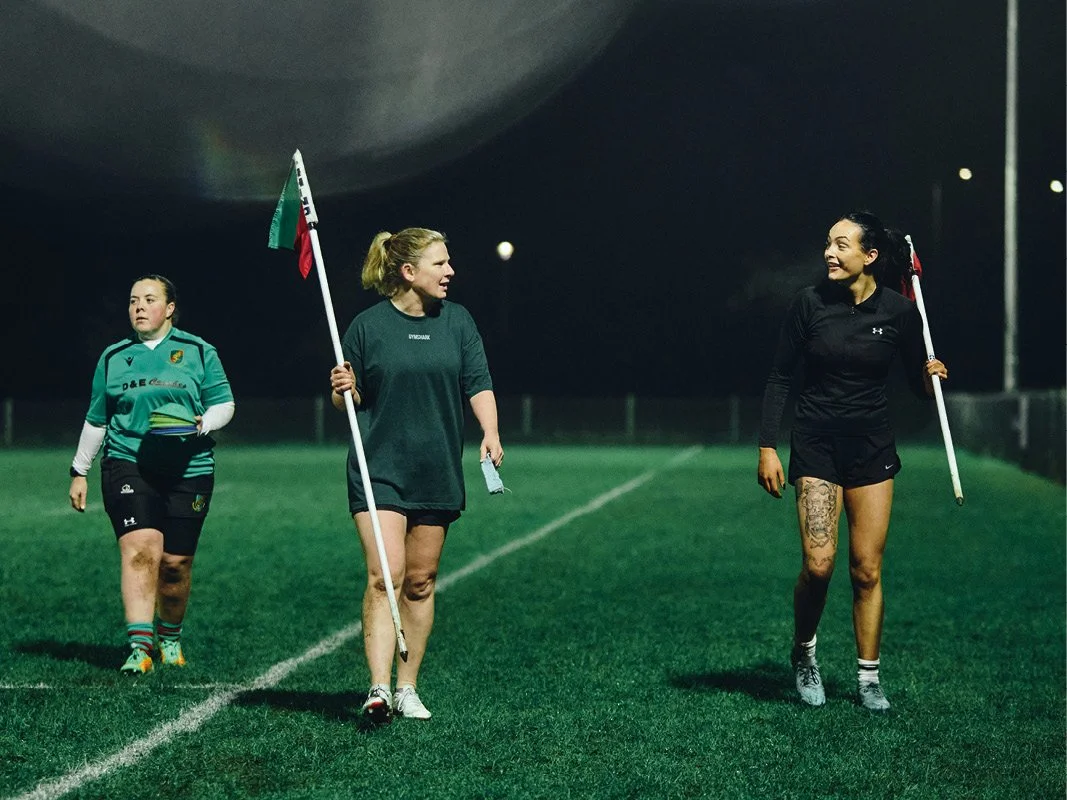
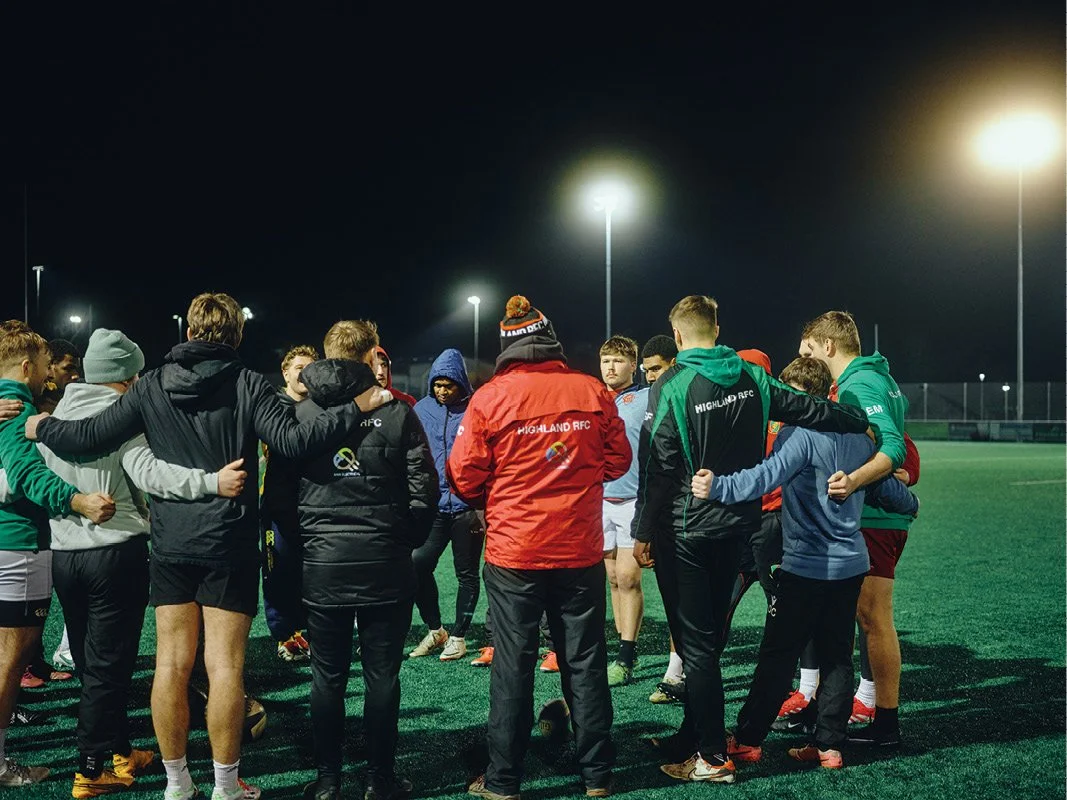
On Thursday nights that community is doing its thing, with both the senior men’s and women’s squads training side by side. For an hour and a half, regardless of the weather, the fifty or so players gather under floodlights.
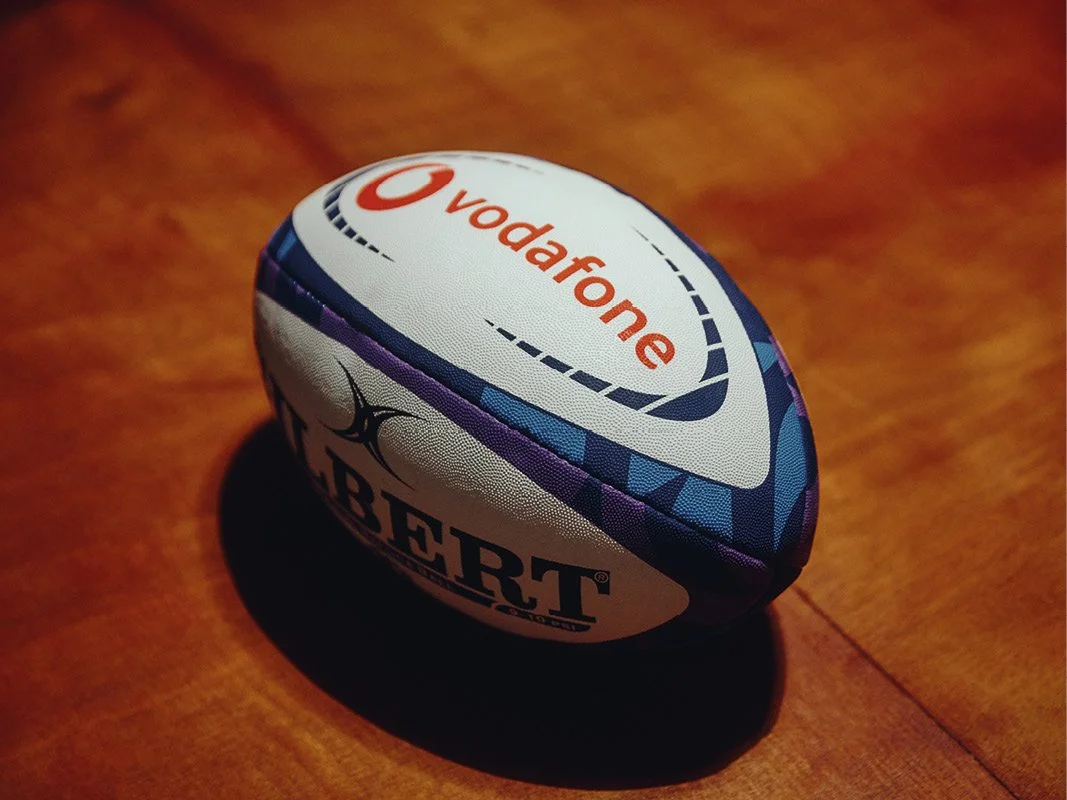
Rugby Journal is here with Vodafone, whose clubs.connected programme with Scottish Rugby is helping Highland strengthen its ties to the local community, something that carries particular weight in this part of the world.
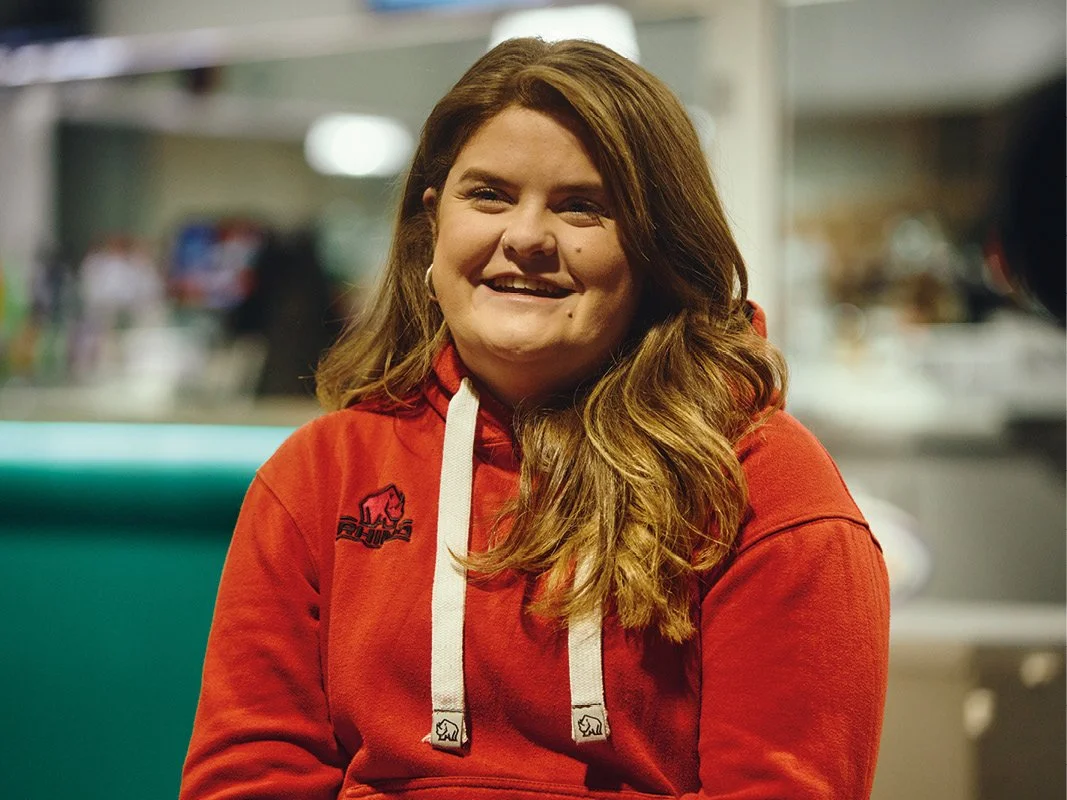
Before training begins, we meet Jodie Standen, who plays hooker for Highland’s women’s team and works in marketing for a local mountain biking company. She won’t be taking part tonight, sidelined by an injured ankle, but she knows better than most the value of connection up here. “I’m originally from Fort William,” she begins, “around eighteen months ago I moved up to Inverness for work, and I hadn’t found my people yet. I was very aware that I was alone up here, and needed to try and make some friends, which for adults seems to be hard.

“I always liked watching rugby,” she continues, “but never played it. I saw on Instagram that the women’s team were doing a ‘come and try’, and I just thought to myself ‘what have I got to lose?’. From my first message, they were super supportive, they offered me boots and kit to make sure I had everything I needed. What I remember most was how keen everyone was to talk to you. It felt like they were taking an interest in me as a person.
“I never felt embarrassed that I didn’t know what I was doing,” she adds, “because no one made a big deal about that; they were just glad to have you there.”
Jodie’s experience is far from unique. Inverness may sit only fourteenth among Scotland’s cities by population, tucked in just behind Ayr and Perth, but as the self-styled capital of the Highlands it is also the fastest-growing city in the country.
With more young people arriving and looking to find their way into rugby, Highland have been careful to put structures in place to support them should that transition prove difficult. “We’ve put mental health ambassadors in place,” explains Jodie, “so if players feel like they need to speak to somebody within the club and they want some support, there’s a collective of us that have the knowledge to speak to people, give them advice, or to just be a trusted face.
“We did a social media collab with a local mental health movement called Headspace Highlands, where there was an isolated microphone in the middle of the pitch, and players spoke into it about how much the club means to them, I got quite emotional watching it back.
“I feel as though mental health issues are still stigmatised up here. I’m lucky, because I’ve found that in my own personal life, when maybe things haven’t been going right, the first people I want to go to are my team-mates.”

Having discovered the club and realised rugby was something she wanted to pursue, Jodie was soon thrown into the thick of it, in an Inverness derby, no less. Initially handed a watching brief, she quickly found herself coming off the bench against Inverness Craig Dunain. “Initially, I didn’t want to play, and they all told me to bring my boots down, and that if I got the bug, they’d put me on. I was on the bench, and someone cracked their head open. It was quite intense but I just stood there saying, ‘put me on now!’.
“I’d never grown up around team sports, but there was something so infectious about the camaraderie and atmosphere that made me desperate to be a part of it all.
“Being surrounded by everyone who wanted me to make that first impression on the pitch made me sure that this was the sport for me.”
“I knew I was going to be a forward, like, I’m not a fast runner, but I am quite strong. I remember going to my first men’s game and my captain told me I should give number 2 a go - I said yes having no idea what I was in for. I’ve been grafting in the front row ever since and I love it. Our team’s lineouts are really strong - the best in the league I’d say!”
The women’s side continue to gather momentum, promoted from Arnold Clark Caledonia North Region League Division 1 (tier four of the women’s game) and playing in a regional play-off series which began in January with a defeat to Wigtownshire.
On the men’s side, Highland’s first XV compete in National League Division 2 (the third tier of Scottish men’s club rugby) and are captained by Scott Fraser, with Davie Carson as head coach. Both men join us briefly before training gets under way. “You’re lucky to catch this big-shot today,” says Davie, slapping Scott on the back. “He’s been selling cows all day.” Scott works on a farm and has spent the day at market. He has also played for Highland since the age of ten. His first ever coach? The man sitting beside him. “Yeah he’s been my head coach for 25 years. He knows when to crack the whip,” says Scott, with a smirk, “but he’s got really good people skills and he knows how to get the best out of folk.”
Davie first pulled on a Highland shirt in 1982, during a period now recalled with a certain rose-tinted clarity, when sevens trophies accumulated and the club routinely fielded four sides every Saturday.
Founded in Inverness in January 1922, Highland has spent more than a century embedding itself in the life of the city, playing regular friendlies and entering cup competitions in the first fifty years of its existence.
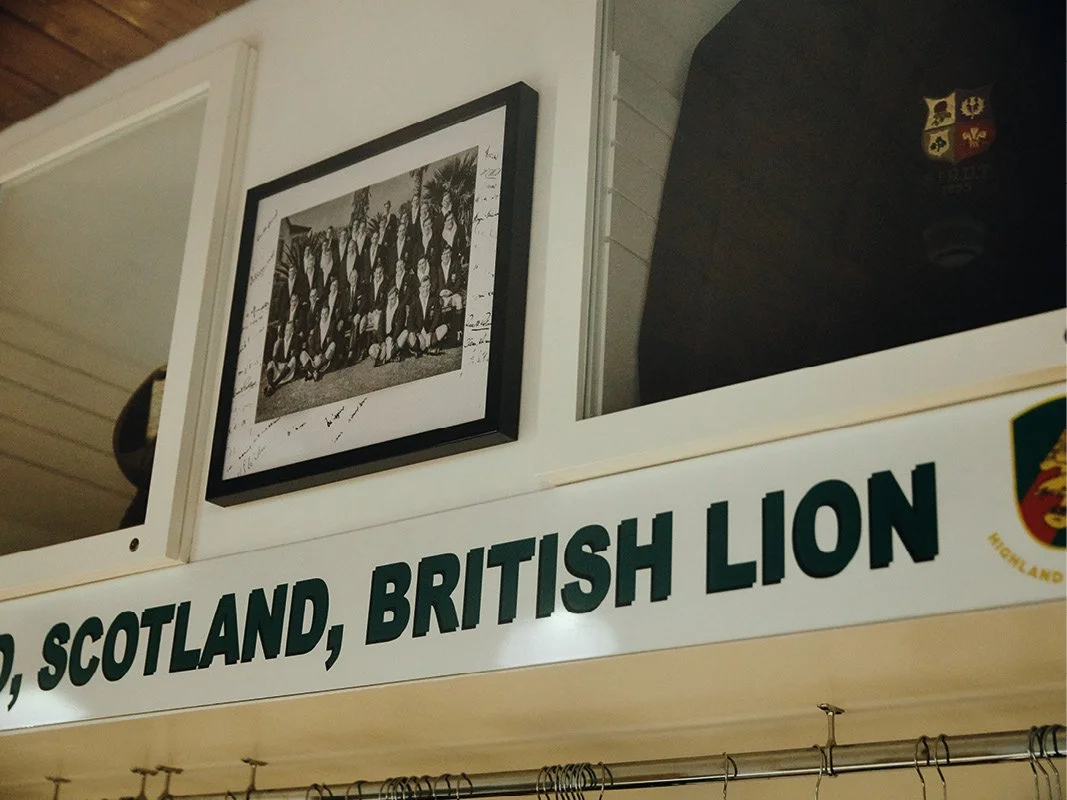
The introduction of the Scottish Rugby Union league system in 1973 proved a decisive moment as under the captaincy of Nairn MacEwan, Highland rose from Division 4 to the top tier in consecutive seasons, with MacEwan earning twenty Scotland caps and lifting the Calcutta Cup alongside fellow Highlander John Frame in 1971. It was the first time a team from the Highlands had broken through into the top tier of any Scottish sport.
In the decades since, the club has continued to send players into the national game, from George Mackie to Jamie Dobie and Jade Konkel, with Paddy Kelly and Jake Henry currently representing Scotland sevens.
And yet, for all that history and occasional silverware, the club was precariously close to slipping away altogether. “I took the reins in 2013 when we were at our lowest in Caley Two North [Arnold Clark Caledonia North Region League Division 2], which is where our thirds are playing now,” Davie adds. “When we played down there we had about a dozen people and their dogs coming down to watch. We were at a really low ebb, the training numbers were down with just ten or eleven senior players coming to training.
“But we were getting 25-30 coming to under-18s training at the same time, so we just told a few that if you want to play for Highland firsts, all you’ve got to do is train twice a week. Luckily, we had a few lads staying in the area for work, rather than disappearing for uni, and threw them straight into the first team.
“There’s still two or three of them playing for us now in the firsts, including this laddie right here,” he says, giving Scott a playful shove, “which is pretty remarkable. We were down so low, but there was so much unity because we were all so motivated to get our club back.
“We went through that 2013/14 season unbeaten and that sparked everything,” continues Davie. “You get a winning team, and you get folks starting to drift back to watch and see what’s happening.”
From that low point, 2013 proved unexpectedly galvanising. Victories in the Caledonia Bowl and National Bowl accompanied promotion in the 2013/14 season, followed by four further rises that echoed the club’s surge of the 1970s and ultimately carried Highland into National League Division 1.
Looking back, Davie is quick to credit Nairn MacEwan, whose influence continues to loom large whenever the club’s history is told, and to whom he traces much of his own coaching success. “I got so much out of being around him,” he says. “His rugby philosophy was so far ahead of the game back in the 80s, he was just way beyond his years. It would have been really nice to see him coaching a side in this era, because everything teams are doing now, he had already thought of back in the day.”
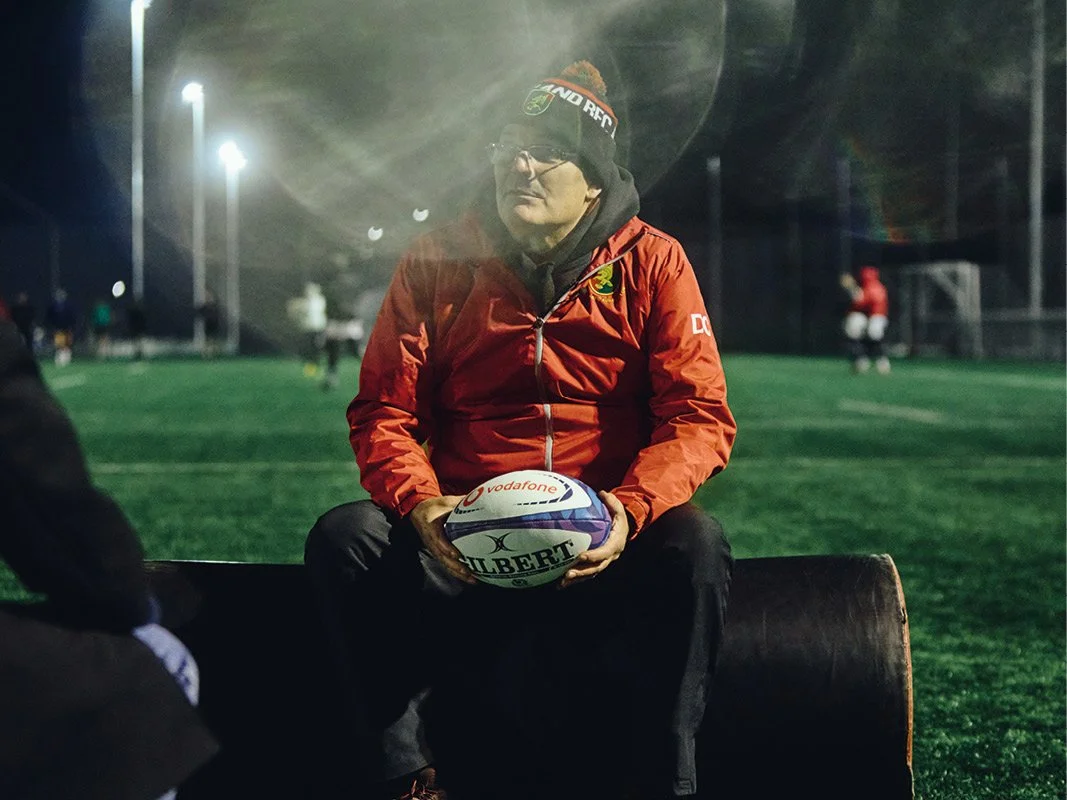
Scott listens as Davie speaks about Highland’s past, but it is when the conversation turns to 2013 that a grin breaks across his face. At just eighteen, Davie placed his trust in Scott, asking him to step into adult rugby at a moment when the club most needed reasons to believe. Scott has remained a fixture at fly-half ever since, taking on the captain’s armband in 2020.
Asked what sets Highland apart, Scott doesn’t hesitate for long before an answer comes. “The aways man,” Scott says with a little shake of the head. “I know the island boys [Shetland and Orkney] have to travel loads too, covering the distance we do at our level is pretty crazy.
“You could say our geography is our biggest weakness, you could be away at seven in the morning and back at midnight for some of these games, it’s not just going away for the afternoon. But there’ve been some great memories on buses over the years, it makes us unique, and I like to think of it as one of our biggest strengths, because we’re such a tight-knit group as a result.
“There’s plenty of times you get up in the morning and you think, ‘oh God, how much longer can we carry on doing this?’ But on the whole the aways are brilliant and you have to give a lot of credit to the families, wives and girlfriends of all the players that are involved, because they make a lot of sacrifices for us to be able to play. The amount of times that they have to scrape us off the floor when we’re getting off buses is probably not ideal.”
Memories of away days drift in, Scott recalling the long ferry journeys to far-flung corners of Scotland, often undertaken in fancy dress and with a sense of collective mischief. Not long after, he and Davie head out to the pitch, where the leaner nights of a decade ago, when ten or eleven players might trickle in on a Thursday, feel safely consigned to memory. This evening, thirty or so Highland players line the touchline, taping ankles, draining water bottles and easing themselves into motion as training begins with sprints and drills before settling into a team run ahead of the weekend’s home fixture against Falkirk.
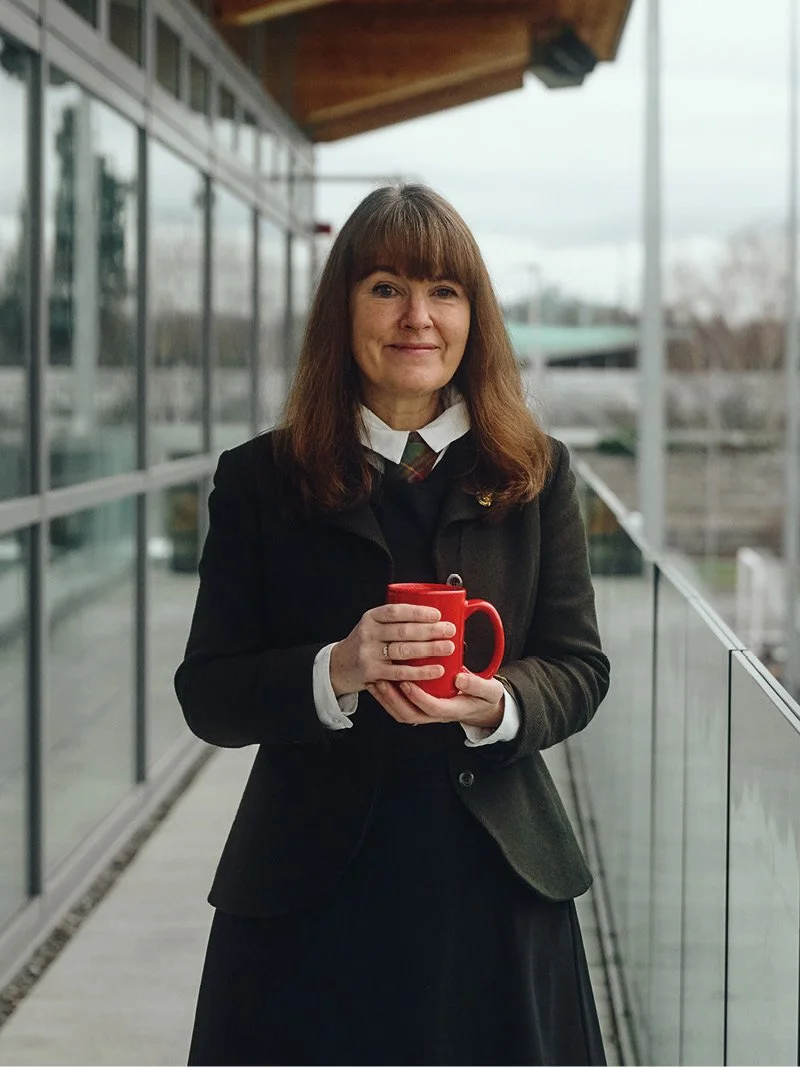
Inside, away from the cold, sits Karen Cameron Latif, the club’s president. A litigator specialising in property disputes and one of the busiest figures in the Highlands, she nevertheless devotes herself to the rugby club with a consistency that keeps her here most nights, and most weekends too. “I suppose I always thought that the club’s president would be a former player or a coach,” Karen says, “someone high profile like that. I’m a person who likes to get my head down and do things behind the scenes, so I hadn’t anticipated I would be in this role, but I’m very proud of being the first female president this club has had.
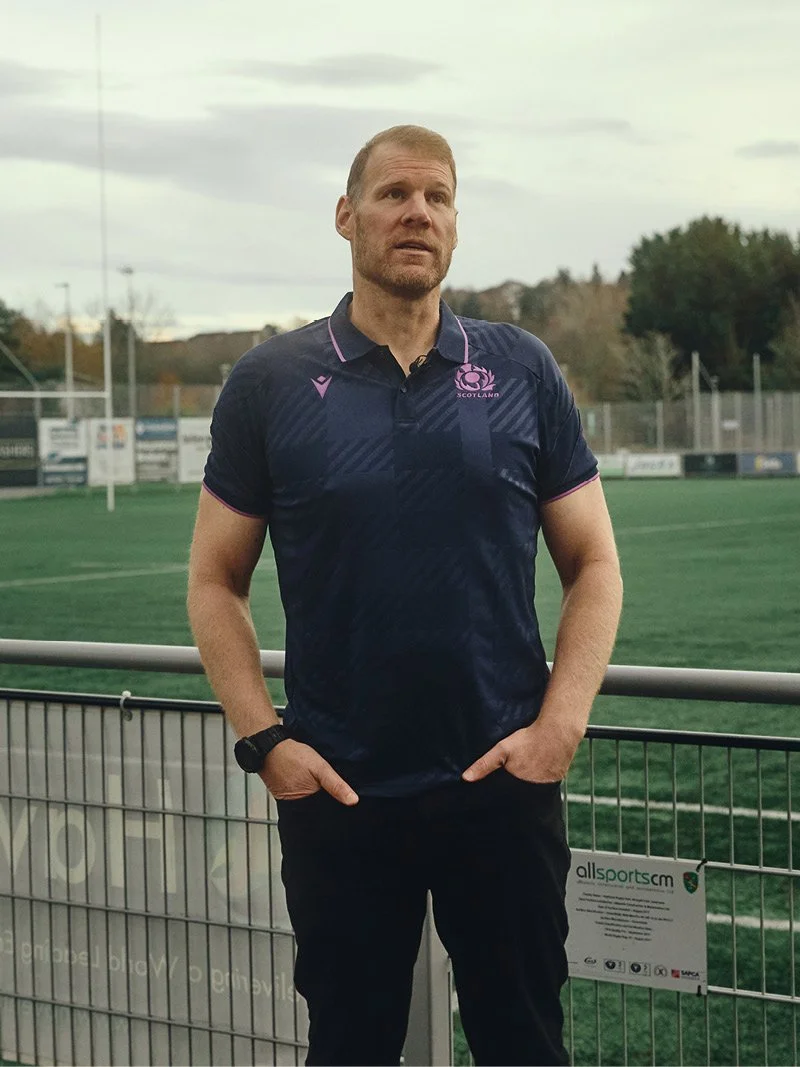
“I’ve become a professional groupie, the embarrassing rugby mum of the whole club it feels like.”
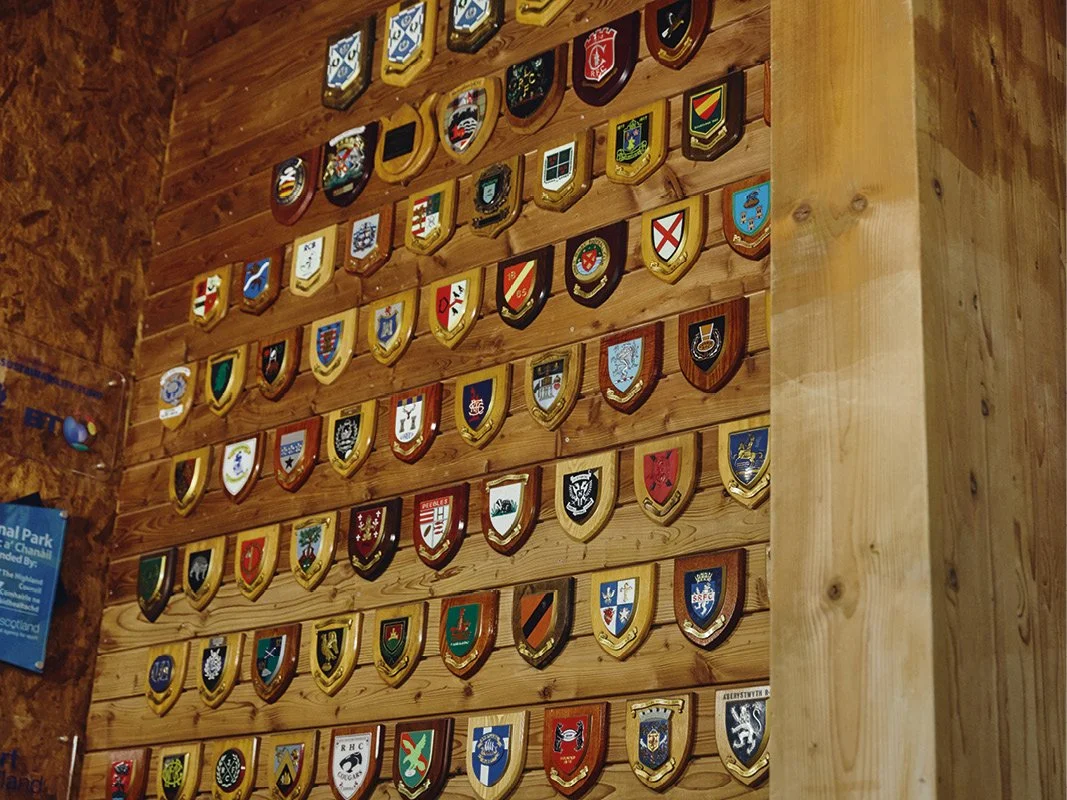
We’re sitting inside Highland’s new clubhouse, where the clean sheen of fresh timber and glass is softened by signed shirts from the club’s more heady eras, relics of the 1970s and again of the 2010s, lining the walls.
On Saturday afternoons, with Highland playing only metres away, the match is livestreamed back into the room, carried into the warmth so supporters can follow every phase without braving the more perilous edges of a Highland winter. With Vodafone and Scottish Rugby’s support, that small but civilising luxury becomes easier to sustain. “The council decided to put a road in, which meant we lost one of our rugby pitches and our old clubhouse was demolished. They built this wonderful new facility with a 3G pitch in front of it.
“I think that really revived enthusiasm for rugby in Inverness, because now you don’t need to sit in a deck chair with a hot water bottle or a flask of tea anymore, you can actually sit in the warmth and watch your kids play outside.
“Even though Scottish people are waterproof, sometimes watching rugby in the north of Scotland is literally like being in Singing In The Rain.”
Highland may have solved the problem of frozen supporters, but as Karen explains, other challenges remain, many of them specific to life as a club in this far corner of the country. The travel alone can test commitment and logistics in equal measure: long journeys, sudden shifts in weather, and the financial strain of a typical Saturday that might see four senior teams criss-crossing the country by bus, alongside ten youth teams from under-13s through to under-18s doing the same.
The club’s rise since 2013 brought momentum and belief, but it also brought scale, and with it the familiar, stubborn problem of volunteer fatigue. It is here that the Vodafone partnership finds its logic, easing pressure on those who give their time and helping the club stay connected to its community in a part of the world where connection carries particular weight.
As we step back out of the clubhouse to catch the closing stages of training, we run into Rudi Urbach, Scottish Rugby’s area director for rugby in the north of Scotland. When told about Vodafone’s partnership, which will involve free-of-charge connectivity for twelve months and referral codes for rewards for members and sponsors, he perfectly articulates why keeping clubs like Highland connected matters so much. “I think Vodafone’s programme will benefit not just the club but the community as a whole,” asserts Rudi. “It will provide more opportunities for the club to engage with their surrounds and the communities they serve, and it will make their communication of a higher quality, from digital quality all the way through to marketing and branding.
“Ultimately,” he continues, “what we want is to work with partners like Vodafone to help tell the stories of people involved in clubs like Highland. Our communities are remote, and connectivity in this part of the world really isn’t always great, we’re disconnected by geography.
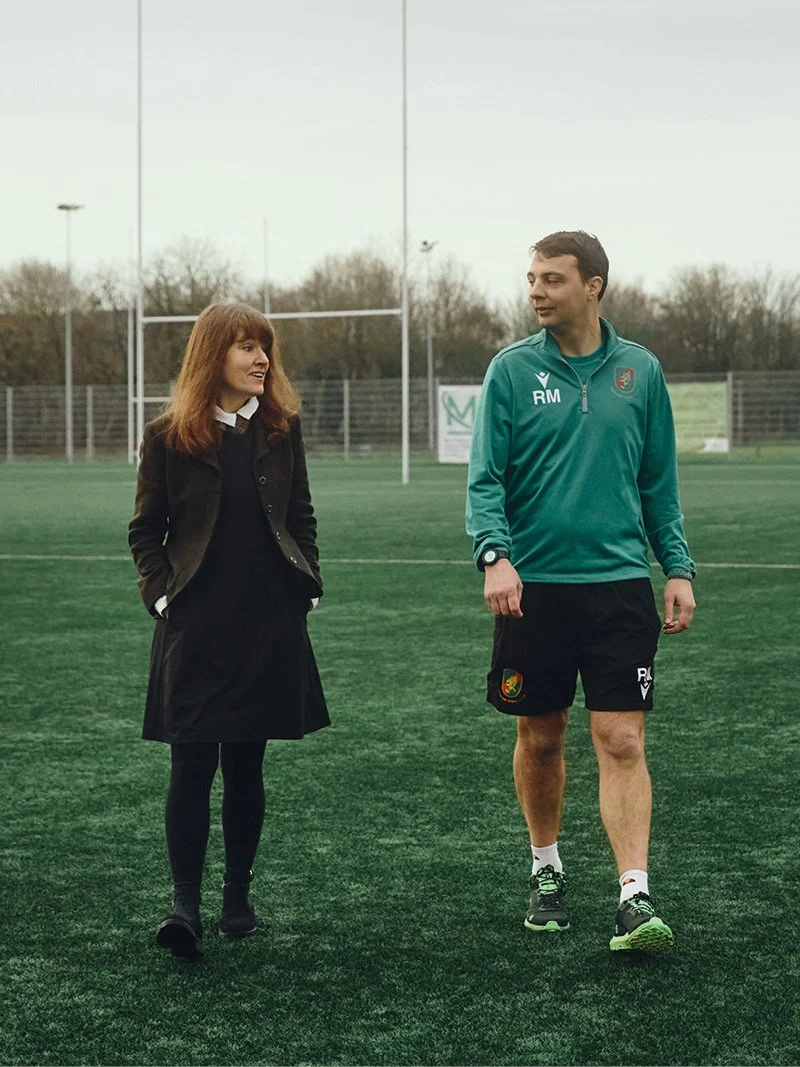
“Rugby clubs having good connection becomes that link for communities. Up in this part of the world, the quality of communication becomes really important; people talk with one another, they share stories and ideas.
Rudi brings with him a breadth of coaching experience, shaped first in his native South Africa at the University of KwaZulu-Natal and later in Scotland, where he led Dumfries Saints and went on to coach Scotland Women’s under-18s.
In his current role with Scottish Rugby, he oversees a team of sports development professionals and regional officers working across schools and clubs to strengthen rugby in the north of Scotland, tracking playing numbers and securing external investment with the long view of sustainable growth.
“I truly believe that the sky is the limit for rugby in this region,” Rudi continues, “my true wish is that clubs like Highland and the other 28 clubs we’ve got in the north of Scotland become central to driving sustainable communities. We want to use rugby as the vehicle to make these communities thrive again, especially those in remote communities.
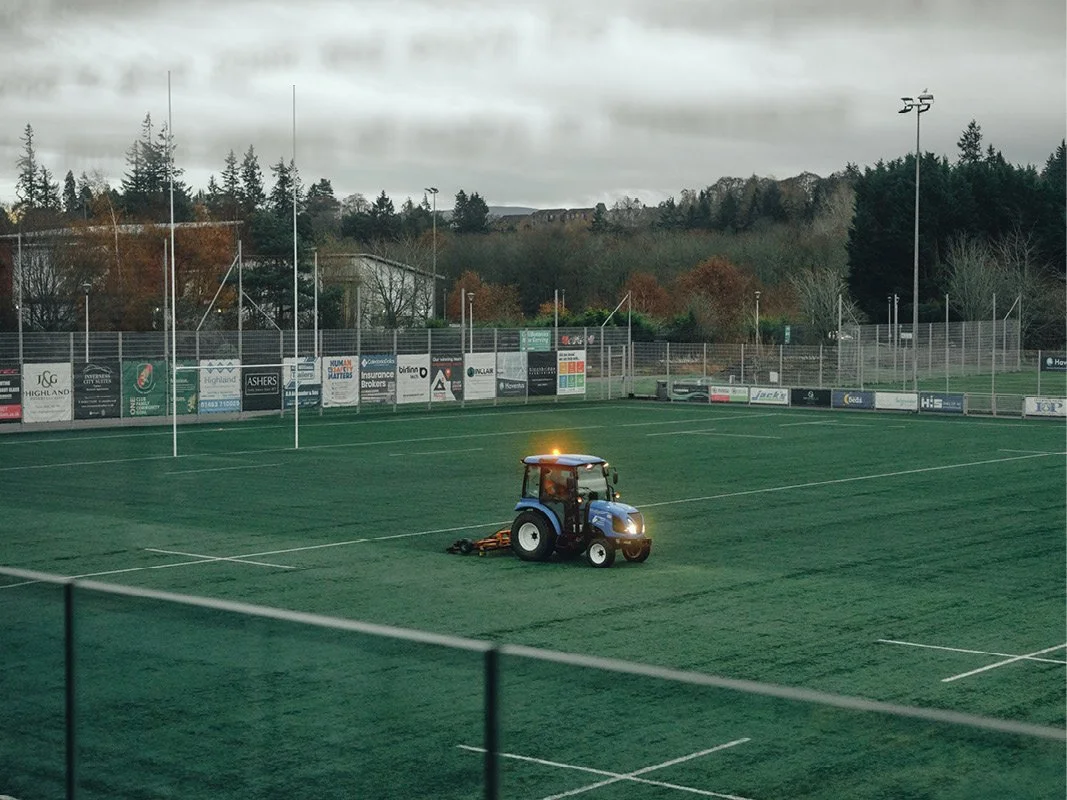
“Rugby’s got a really important way of connecting people up here. Every weekend we’ve got hundreds of teams traversing hundreds of miles on buses and sometimes aircraft to go and play fixtures. Ultimately it’s eighty minutes on the rugby pitch, but it’s mostly the hours on the bus connecting with your team-mates, and the hours after the game when you’re connecting with people from other communities, having a drink with the team you’ve just played. That’s just the players, then you’ve got the spectators and the sponsors who contribute widely to making clubs like Highland work. Rugby’s a vehicle for giving people opportunities to get together.”
To underline his point, Rudi pauses and gestures towards the fading embers of training. Despite an important home fixture against Falkirk looming at the weekend, with Highland still pressing their case for a return to National One, the men’s side are loose and unguarded, larking about, flinging balls at one another and breaking into easy laughter.
On the adjoining pitch, the women are still at work. The sounds of the session, laughter, shouted encouragement, the dull thump of boot on ball, seem to exist in a kind of vacuum, contained by the vast silhouettes of the Five Sisters of Kintail and the Cairngorms, which wall this place off from the rest of Scotland.
Any potential drawback of that isolation is quietly undone by the spirit on display at Highland RFC tonight, and that, as anyone connected with our sport will tell you, is what matters most.
This article was brought to you in partnership with Vodafone clubs.connected. Get your club connected now, for more information visit scottishrugby.org/vodafone-clubs-connected
Story by Scott Duke-Giles
Pictures by André Silva
This extract was taken from issue 33 of Rugby Journal.
To order the print journal, click here.