Jonathan ‘Fox’ Davies
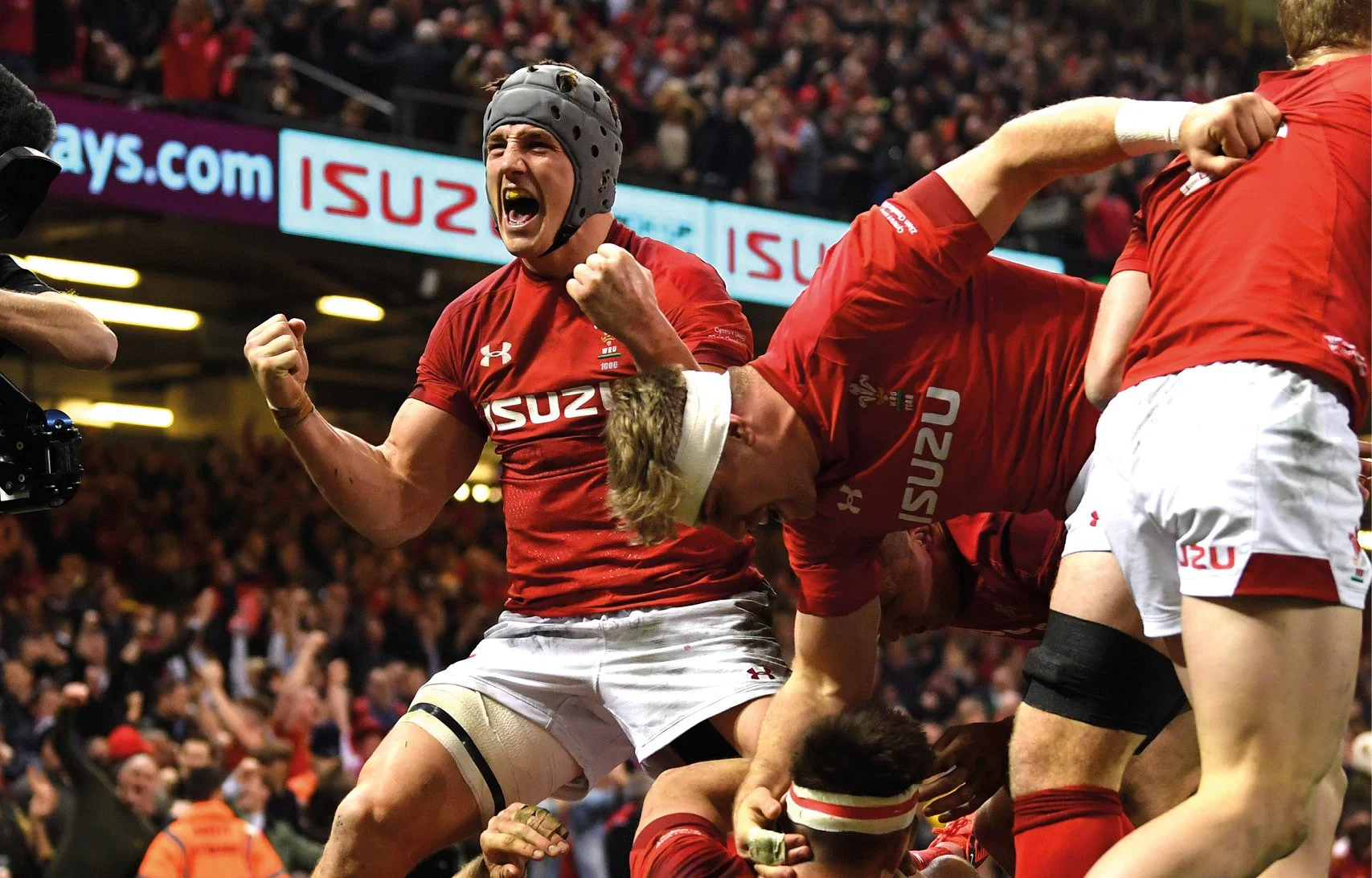
He’d won a Grand Slam, should’ve won a World Cup, and was considered among the best in the world, but to some fans he just wasn’t Brian O’Driscoll. So much so, they needed to find Jonathan ‘Fox’ Davies and break his legs.
Getty Images
Jonathan ‘Fox’ Davies isn’t comfortable talking about himself, but in what has been his testimonial year, celebrating a career that took in almost a century of Wales caps (96), four Six Nations titles, two Grand Slams, two Lions tours and two Rugby World cup semi-finals, he’s had to at least endure it. “I struggle with it,” he says about being centre of attention, as he looks back on a career that came to a close last year, “but it’s been nice. It has made me able to talk about myself better and be more complimentary about myself.
“Because I was never one to do that really,” he adds, “I was never one to do press when I was playing, it was always about trying to be as boring as you can. If there was no article written about me then I’d done my job.”
But he knows he was good, right? “I know I’ve been successful,” he says, “and I was good at what I did, but I never wanted praise or anything like that. And maybe wearing a scrum cap just kept me unrecognisable.
“I wouldn’t say I was a superstar, I was in a team that had superstars, and as a 13, I realised I had great athletes around me, and I wanted them to touch it, to get the hands on the ball as much as I can. So it would be, ‘George North, you come here, I’ll get you on it’, ‘Jamie [Roberts], I’ll give it to you here’, even Toby [Faletau] when he was in the backline, you’d want to give him the ball…
“I saw one of my key skills as making sure we got the best out of what was around me. If people say I’m underrated, that’s fine, maybe under the radar I would say, I never put my head up there too much.
“I got to play in that [Wales] team for a long time, so I knew I had to be decent at rugby. Now I can go back to not taking praise and being totally forgotten.”
Given what he achieved, he won’t be forgotten, especially in Ireland, which we’ll come back to. For now, to the beginning. “My dad played rugby – apparently he was very good – it was just local rugby in Wales, then he played when we moved to Birmingham, and I was born there, then we moved back. I never watched him play though.”
Today, everyone knows Jonathan’s parents for having pubs, his own ‘Fox’ nickname coming from one of the pubs they owned, the Fox and Hounds, in Bancyfelin, just west of Carmarthen, where he grew up. But before that, his dad had a challenging past. “He was a VAT inspector when we lived in England, but he doesn’t like to tell people,” laughs Jonathan. “They moved back west once I was born and bought the pub.
“They had three or four pubs,” he continues, “but they sold a couple, they’ve sold the Fox and Hounds, someone in the family bought it, and also another pub in Carmarthen, the Rose and Crown. It’s been in the family for sixty years, my grandfather gave it to my mum, but it’s still in the family…
“For me living in a pub was a great upbringing, the pub was the central hub to the village,” he says. “People would meet in the pubs, they’d be there for carnivals, festivals, Guy Fawkes, Christmas – it would all bring people to the pub.
“The pub was a stop-in for any team that was going from, say, Swansea down to play in Pembrokeshire, or vice versa, they’d stop either or both ways!
“My dad would see a rugby bus turn up, and he’d shout to mum, ‘get the chips on’. He’d always give them huge platters of chips, filled with salt, just to dehydrate them so they’d buy more booze. At weekends, you’d always see maybe three or four rugby coaches in the pub, having a beer.”
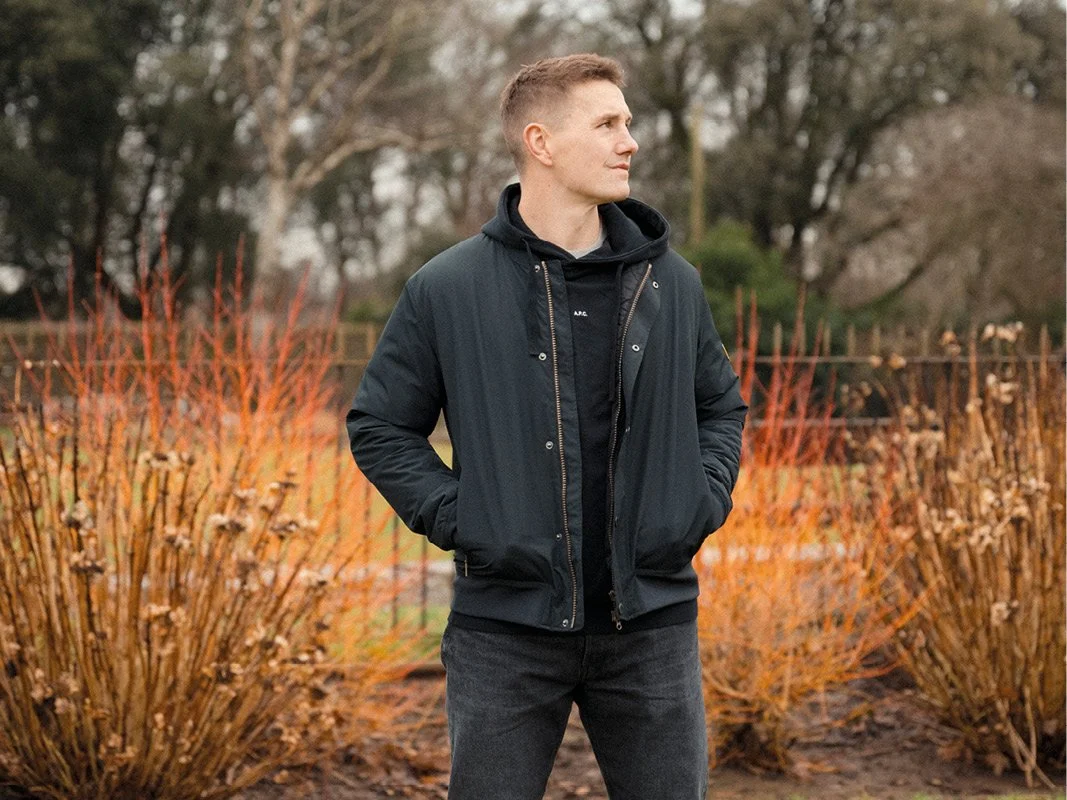
While Jonathan has picked up on his mum’s passion for cooking – she was always in the pub kitchen – he saw how hard his parents had to work. Now a dad himself – his first son was born last year – he’s not keen to follow in their footsteps now rugby has come to an end. “My dad and mum worked relentless hours,” he considers, “I’m not saying they weren’t present, but I don’t want to have to have the pull of needing to make it a success, or whatever it takes in the hospitality industry, to take away from family.”
Given he retired in the same year his son was born, he’s been able to enjoy an extended chunk of paternal leave. “I’ve been very lucky in one thing,” he says, “because I’ve experienced a lot of time at home since my son was born, most dads don’t get that.”
Llanelli were at the top of their game when Jonathan emerged. Only an ACL injury ruled him out of playing a bigger part of the club’s march to the European Cup semi-finals [where they lost 33-17 to Leicester Tigers] in 2007. “Gareth Jenkins was coach of Scarlets when I was in the academy, so I had a couple of training sessions with him. I really started in Phil [Davies]’s first year [2006], I played a few games in pre-season, but eventually had to have surgery on my knee.
“But the players that were there: Simon Easterby was captain, Stephen Jones, Dwayne Peel, we had Dafydd James, Matthew Rees, Matthew J Watkins, it was a brilliant squad. And for me to experience that… I remember walking in the changing rooms thinking, ‘fucking hell this is class’. I put my bag down somewhere, it gets kicked off the bench when I came back from training because I was in the wrong spot. It took a couple of days before I found the right spot.
“I probably got a bit complacent,” he admits. “Because when I was training, I thought I’d made it, I was a professional rugby player, but you’re not a professional rugby player until you play week-in, week-out.
“When I was coming back from the ACL, Mark Jones – another international – said to me, ‘as shit as it is, having a long-term injury when you’re so young will make you appreciate it far, far more’, and that was true. Because then, once I got on the field, after nine months off, I wasn’t coming off again.”
He rehabbed for a time with Scarlets legend Regan King. “He was one of the best players I played with, like his skills and his knowledge of the game, invaluable for me,” he says. “The Scarlets were quite clever with how they used the overseas players, we had Regan, and then they brought in David Lyons. I don’t know how much they were paying him, but they got good value, I’d say, because he played week-in, week-out, and he was just very knowledgeable.
“He was keen to get the boys better,” continues Jonathan. “Rhys Priestland used to say he knew he was playing ten [before the coaches told him] because David would start talking to him on a Monday, about moves. David would have done his homework already and Rhys would be like, ‘wow, I need to be on my game’. I think that’s the way it should be, if you’re an overseas signing, you need to buy into the club and help develop that youngster as well.”
As a lifelong Scarlets fan, he also saw the club depart from his beloved Stradey Park.
“It was sad,” he admits. “Because there was just so much history. I remember as a kid going to watch the Scarlets, and back then, at the final whistle, I’d jump on the field to try and get autographs – I always remember that feeling when you’re getting ready to jump the board and running to as many players as you can.
“So when I played at Stradey for the first time, I’d walk off really slowly, so I could sign autographs because it was all so new to me – at the same time, you’d see Stephen Jones and Dwayne Peel run as fast as they could off, while I’m virtually crawling.
“It was a proper rugby ground,” he says of Stradey, “and there aren’t many left now, maybe Bath and Gloucester, they’re proper grounds too, but the new stadiums just don’t have that history and the romantic side to it.”
Getty Images
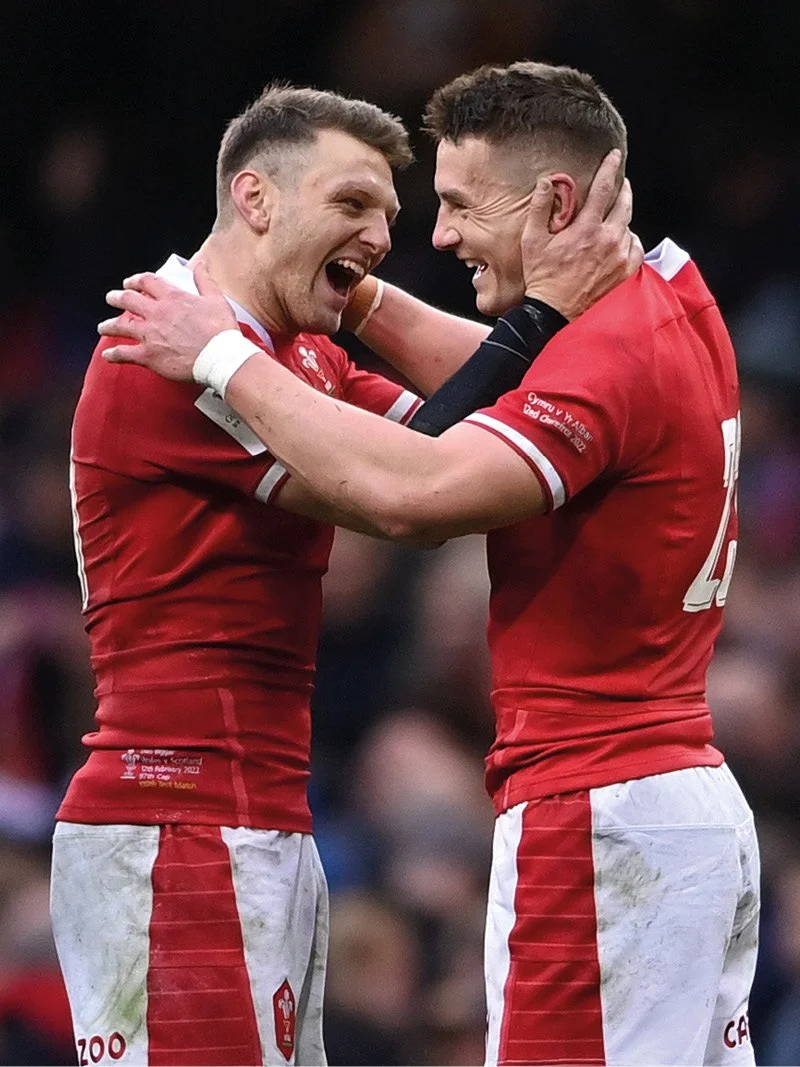
While his first stint at Scarlets coincided with the end of a golden generation, his second – with a two-year hiatus at Clermont in between – at least brought silverware. “We won the league in 2017 [beating Munster 46-22],” recalls Jonathan. “We were playing such good rugby after the Six Nations that I think if we’d still be in Europe, we’d have won that, we just seemed to click.”
Mixed fortunes at club level are contrasted with being central to a golden era of Welsh rugby, not seen since the 1970s. After making his debut against Canada in 2009, he would cement his place by the time of the 2011 Rugby World Cup. “2011,” he repeats. “I think I could have retired straight away and caused myself far less damage if we’d won that. We should have still won the game, it broke me, there were tears.”
Wales, of course, infamously lost 8-9 in the semi-final to a distinctly average France side, having been shorn of captain Sam Warburton with a red card less than twenty minutes into the game. “In 2019,” he says, going forward, “I had an injury against Fiji, so I missed the quarter final and my knee was shot. I was nowhere near my best or fit, and I look back at that with frustration, because leading up to that Fiji game I was starting to play some of my best rugby again, I felt in a real good place.
“I’m not saying we’d have won the semi-final [against South Africa, they lost 16-19], but I think we, or I, would have given a better account of myself. I didn’t have the ability to really run as well as I could have.
“But,” he says, returning to 2011, “I think when you look at the team we had in 2011 that was the one that got away.”
After the game, he pulled his devastated room-mate Leigh Halfpenny – who’d missed a vital kick – from his slump. “He was distraught,” recalls Jonathan. “He was sat in the room, and I said, ‘look, come and have a beer’. The worst thing is that we then had to play the third- and fourth-place play-off…
“We lost it,” he says of the semi-final. “France didn’t really win it. And I never watched the final, because we were traveling back at that time, but once we landed we heard New Zealand won. I’ve never seen the final, but everyone says that they weren’t great in the final, it was a terrible final, and if Wales had played, we would have won. Chuck a bit more salt on that big gash.”
Six Nations’ titles, and even Grand Slams, were a different matter. “I don’t think I even knew what a Grand Slam was until 2005,” he says, reflecting on how long it had been since Wales had won before Mike Ruddock’s team finally broke the duck. “I remember being at the stadium for it and didn’t quite grasp what it meant. Then in 2008, I wasn’t involved, but that team was a good team. It just seemed well drilled, the coaching was excellent, everyone seemed to know what they were doing.
“In 2012, my first Six Nations title and Grand Slam, when we came back against Ireland, we never thought we were going to lose that game, even when we were behind, everyone seemed really confident.
“The World Cup [defeat] probably drove us on, but the way we won was just businessman-like, almost automatic.
“Same in 2013, although we lost to Ireland, in what was probably my worst game for Wales, we beat France, and there was just a confidence about us, even knowing that we had to beat England by seven, we went in with an edge, because at that point, we had all experienced it, we knew what we were capable of.”
Wales completed a 30-3 rout of England, their biggest-ever win, and one that set the squad up for their next challenge, the British & Irish Lions tour to Australia. And we say squad, because almost half of them were in it, with fifteen chosen.
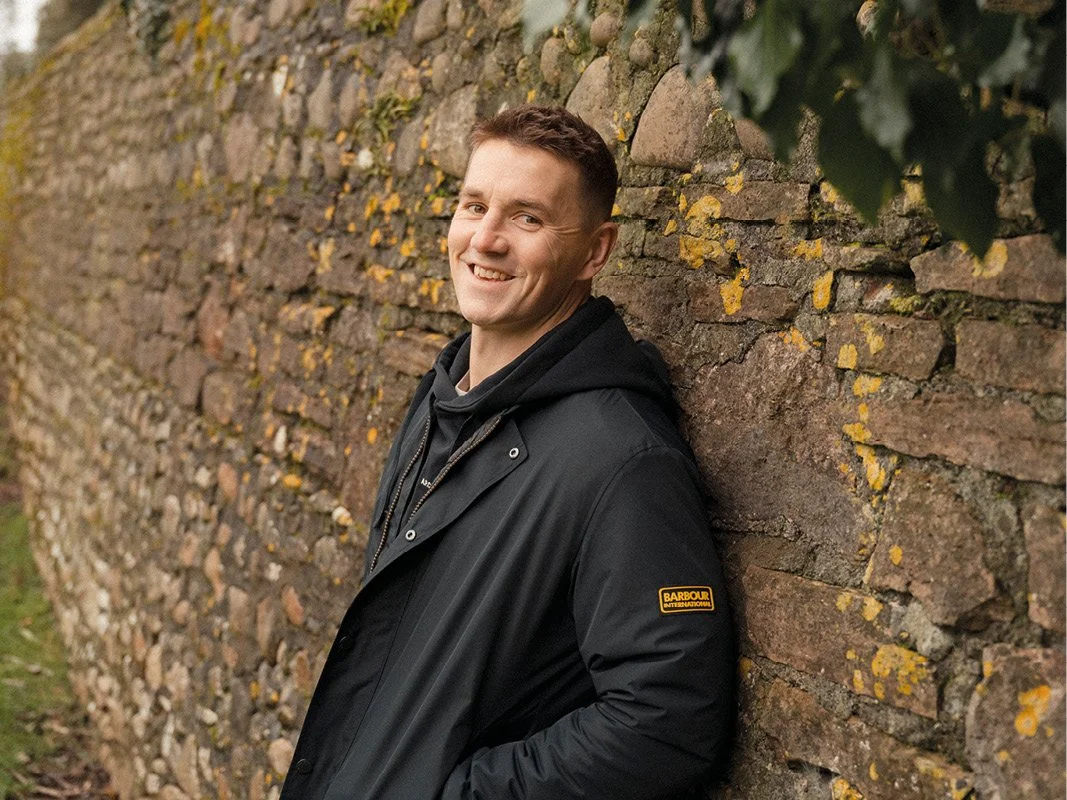
Wales had toured Australia the year before, running them close enough to give them the belief they could win with the Lions. “I think there was almost that familiarity around us in 2013,” he says, “because of the amount that were picked – and justifiably so – I’d like to think we brought confidence into that team as well.
“The dynamic of how people are in the changing rooms is always interesting. Before a game, I’d probably be quite relaxed and chilled, whereas some of the Irish players would be talking about what they were going to do, that was their way of getting ready. But the Welsh always had like, a calmness, we’d have a look in our eye, we were ready to go, but there wouldn’t be much talking.”
The tour seemed straight-forward. “Whenever we’d won, we’d go out and enjoy it,” he says. “We were probably lucky that Warby was a captain who didn’t drink.
“It meant whenever he did an interview he’d just say, ‘I stayed in the hotel, had a hot chocolate, went to bed’. He painted us in such an angelic way, but we’d be out having a good time. But boys are different, we wouldn’t judge anyone having their own way of doing things, but we’d all always turn up to play.”
The Irish had a big impact, with Jonathan paying note to how Paul O’Connell, then aged 33, would prepare for games. “Their preparation, the work they did on the computers, analysing the opposition, they were always ready. I think that’s why they played on for so long, it’s something I took with me into my later years.”
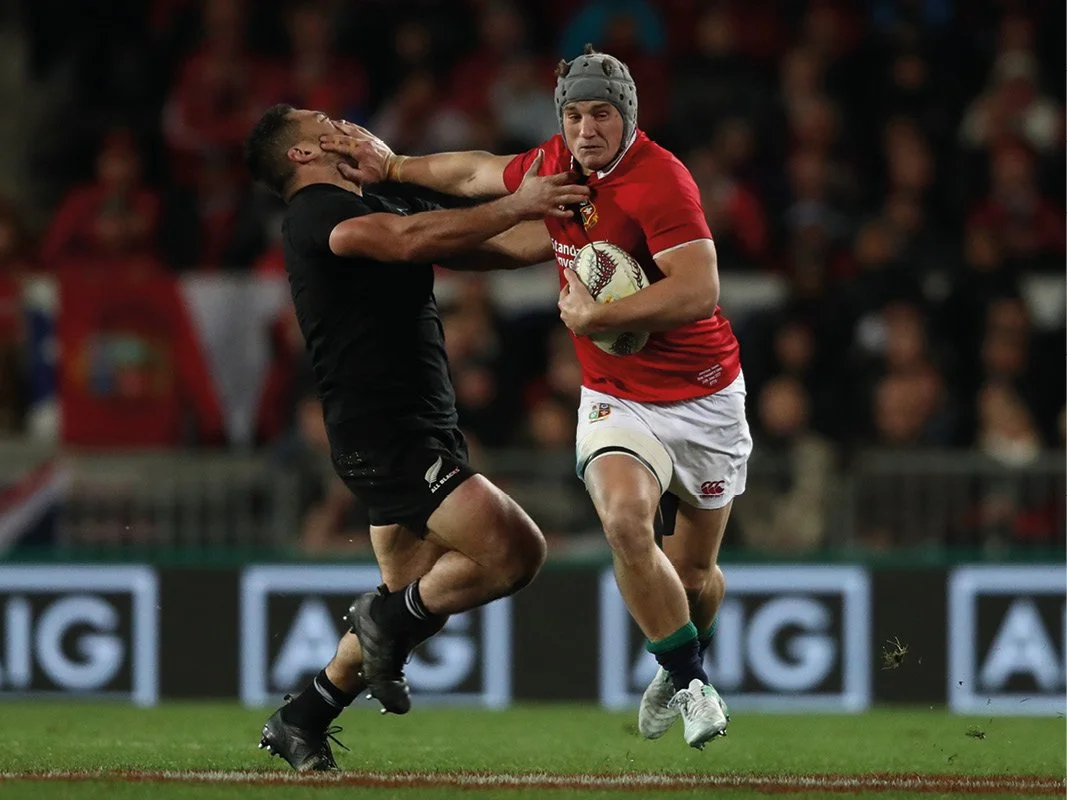
But of course, 2013, did have one controversy, certainly if you were Irish, when the return of Jamie Roberts from injury led to Brian O’Driscoll being dropped, in favour of switching Jonathan to thirteen, allowing Roberts to resume his normal role. “I looked up to him,” Jonathan says of O’Driscoll. “I admired him as a player, when we beat them in the World Cup in 2011, I went up and asked to swap jerseys with him, because he was Brian O’Driscoll.
“Then on the tour, we played the first two tests together, and we roomed with each other, we got on well. I wouldn’t say we were destined to be best friends, but I was focused on playing for the Lions and giving as good an account as possible.
“I didn’t think I was going to play,” admits Jonathan. “I went out on the Sunday, had a couple of beers, I say a couple, probably too many beers, because we had Monday and Tuesday off. And I also thought I wasn’t going to play, because Jamie’s fit, and it’s Brian O’Driscoll.”
He also admits he probably had too many because he felt impending doom. “I was frustrated, I thought I was playing some of my best rugby, and I just didn’t think he’d be dropped.”
But he was. “I had a message,” recalls Jonathan. “‘Can you come to the coach’s office?’. And I was like, ‘Oh, here we go, getting the bullet’. And then Gats said, ‘Look, you need to learn the role for such and such move at thirteen’. And I just started laughing. They were asked why I was laughing, and I said, ‘There’ll be a shit storm coming now’.”
The team was announced, and when the players got onto the bus, Brian walked up to Jonathan – who sat in the middle, due to not being senior enough for the back – shook his hand, then carried on to the back seats. The ‘shitstorm’ wasn’t from the playing side.

Getty Images
“I don’t recall much talk about the selection at all,” he says. “Although that’s probably because if people were like ‘what the fuck is Gats doing?’, then they’re not going to have me in the conversation, are they? So, if they did, they hid it very well.
“Social media was a bit in its infancy, and there was a bombardment after the team announcement. I remember one Tweet, which went, ‘just arrived in Sydney, might go and find Jon Fox and break his legs #justiceforBod’.”
The press weren’t much better. “I think the first question was live on Sky Sports, and it was ‘Jonathan Davies, you’ve been picked ahead of Brian O’Driscoll, what makes you a better player than him?’.
“What a shit question, just trying to get a reaction.
“I wouldn’t have changed the experience,” he adds, “because it made winning the series even sweeter. My selection was justified, the whole selection was justified. A lot of people at the time were crying out, ‘how can he pick so many Welsh players?’. But it showed in the results. And you know, look at this tour [2025], there’s a lot of Irish players involved, but that’s because they’re the best team. And in 2013, we were the best team.”
When he looks at today’s Welsh set-up, he knows that his generation ‘papered over the cracks’ of the system, and he firmly believes too many young players are put into the system. “There weren’t as many players in academies back then,” he says. “My analogy is that they were almost fishing with a line, instead of a net, so they went for real quality and invested time into those smaller numbers.
“Instead of now having eighty in the under-18 group doing weights, there’s twelve of you,” he continues. “My first coach in the academy picked me up from school because I couldn’t drive, and we’d go to a local gym for one-on-one, and we’d do weights and fitness, or sometimes we go to Carmarthen and meet Ken Owens and Rhys Priestland – there was just three of us in that group for two years. I just think that’s creating an elite environment, an environment that you know you want to aspire to be in.
“I remember kicking with Neil Jenkins, because he’s a skills coach with the academy, I felt inspired. I’d go into school the next day and I’d be saying, ‘Guess who I was kicking with last night?’. I felt really lucky.
“There’s just too many numbers,” he continues, “it’s making it almost easy to be involved at that level. Professional rugby is hard, playing international rugby is testing, so I think the sooner we can build resilience and get people to understand the opportunity they have, the better.”
He also points to a decade of failure at under-20 level in the Six Nations as finally coming home to roost in the senior squad. “That hasn’t been good enough, we need to change this. I think little changes will give big gains.”
That said, when it comes to the regions, he believes one big change should happen. “Ospreys getting 2,000 in the Swansea City stadium [2,832, against Benetton], I remember going there on Boxing Day and there’d be 20,000 people there. I do feel sad for this current generation, it’s not the same.
“I think we should have three clubs, regions, identities,” he says. “I don’t think the product we put on the field now with four is good enough, I think if you take it down to three, you have more quality in three teams, you create far more competition. The Premiership this year has been amazing, and that’s because with all those teams that have unfortunately gone, the market has been flooded with more quality, they’ve gone into different clubs. You’re aware then as a player, ‘right, so and so has just lost his job, I need to make sure that I’m playing well’. I think if there’s less opportunities, you get better players.”
Getty Images
How would he structure it? “East, west and north? Having a team in north Wales is an untapped resource in terms of, you know, sponsorship…”
A rugby version of Wrexham FC? “Hopefully,” he laughs, “we’ll have some Hollywood superstars funding Wrexham RFC.
“I’m not saying it will work,” he says of three sides, “but it seems more logical.”
Jonathan has plenty of considered thoughts on rugby, where it’s been, where it can grow, how it can grow, and how Wales discovers a next generation. “We’ve got to be positive about it. I don’t know whether I’ve sat here and been quite negative, but rugby is an amazing game when it gets it right, and I think we just need to make sure that our ultimate goal is to make things better.”
Jonathan is also trying to make things better off the pitch, with a charity called Working Options. “It helps sixteen-to-nineteen-year-olds understand how many different careers are out there, and look at their talent to what suits them,” he explains. “Because when I was sixteen, I had no clue what career I would want to get involved in, if it wasn’t rugby. So, thank God I was half-decent at rugby, because I’ve put it off until now, when I’m not playing to work it out. I’d have been working in the pub if it wasn’t for rugby.”
Story by Alex Mead
Pictures by Francesca Jones
This extract was taken from issue 30 of Rugby.
To order the print journal, click here.