Clifton Lane has seen many things in its long and varied history. The greats have visited, shock victories have been dished out, and it’s witnessed a club on the precipice, only to be pulled back by its loyal fans. But, for drama, this year’s National 1 title race could just top the lot.
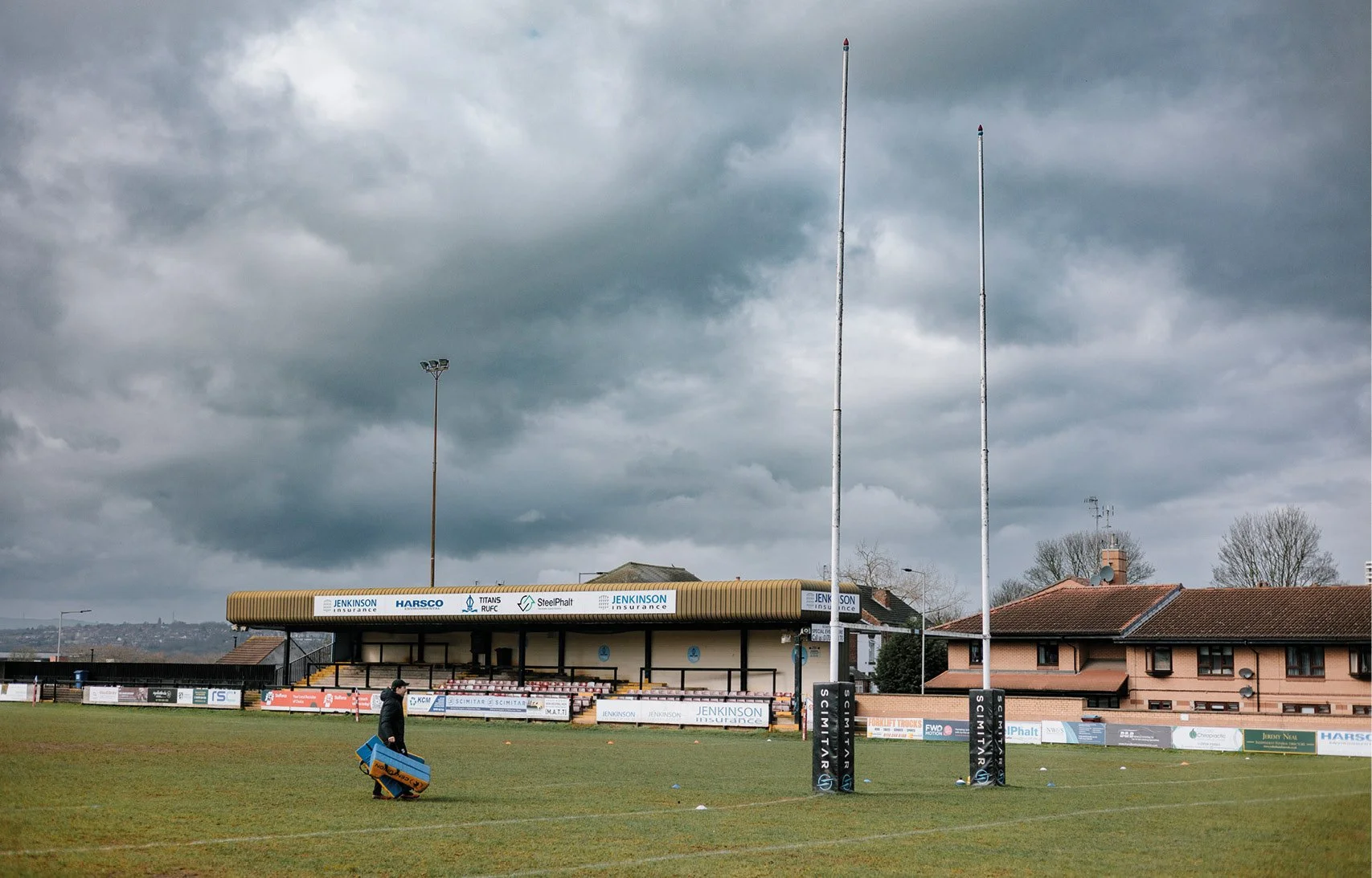
It’s been just over ten years since Plymouth Albion slid from the Championship to National 1, the third tier of English rugby, after a thirteen-year stint. Administration followed in 2016, and with it a thirty-point deduction that still wasn’t quite enough to relegate them again (instead pushing them down to eighth) such was their against-the-odds form.
Several coaches have been through the door since then, and there was the predictable low in the aftermath of Covid when the club fell to eleventh in the National One table, but Plymouth have hit their straps again, with three top-five finishes on the trot, and a title challenge this season. At the helm is ex-Gloucester fly-half Ryan Lamb, who joined the club four years ago under Damian Welch, but took over as head coach in the middle of the troublesome 2021-22 campaign. “It was quite a difficult period for everyone,” says Ryan of that challenging season. “Plymouth, understandably, had to cut a lot of money, so a lot of the boys left and the squad was stripped down to the bare bones in that first season.
“We had on average, around sixteen to seventeen training. Some of the boys that we tried to get in were a bit older, and they had families. It was probably not what they wanted to be doing at that period of their life, but they really helped out the club at the time.
“You couldn’t really get a lot done on the training field, it was a grind, and I think there was a couple of games where we had six props in the pack, and we kind of came out with a game plan just to maul everything.
“It actually worked out pretty well,” he adds. “We got a lot of bonus points, from scoring four tries. We thought we had cheated rugby, found a little cheat code, but defensively it was a bit more difficult.”
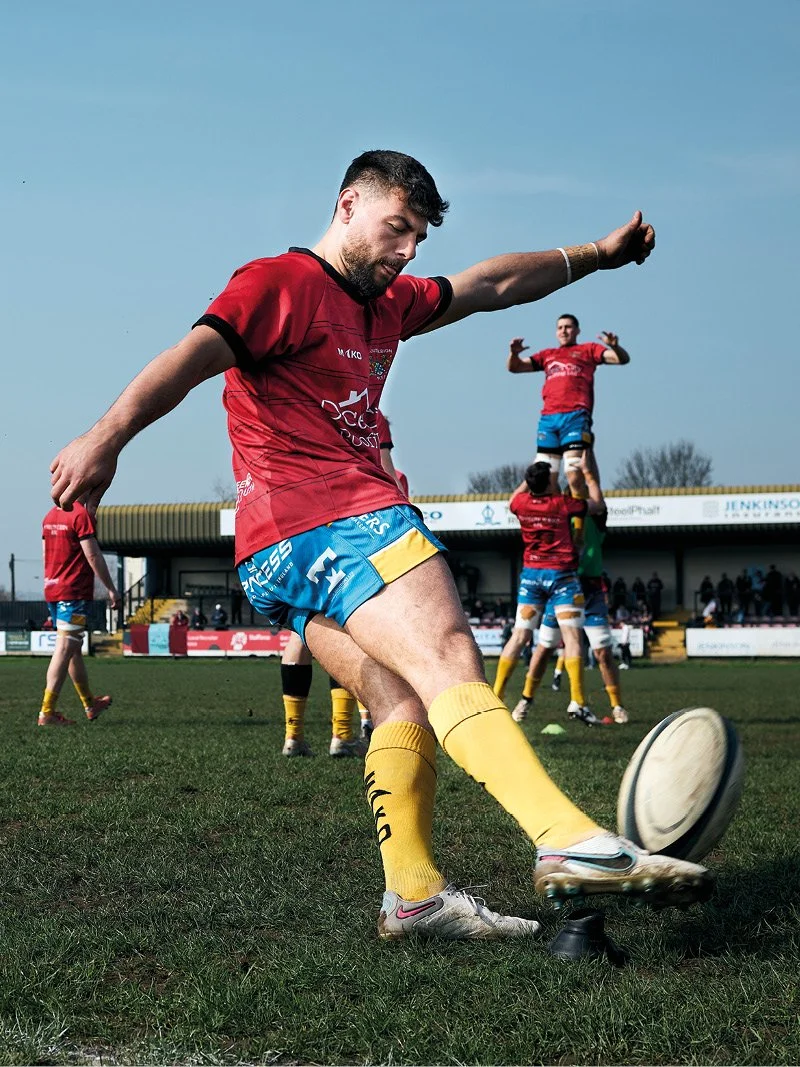
Even before being offered a coaching role at Plymouth, Ryan had already chosen to head west in his post-playing life. “The reason we moved down was because my boy’s non-verbal autistic,” he explains. “When we were in France [playing for La Rochelle], he was only young, about two, he got diagnosed over there but he loved being by the sea, being by the coast, it kind of brought him out a little bit. That’s why we decided to move to Cornwall.”
With Covid arriving soon after his move, then finding himself in the hot seat, Ryan has adapted quickly to life in the top job, but he’s put together a young ambitious squad and is supported by a young ambitious managing director in Max Venables, son of the owner Dave. “A lot of our ideas kind of lined up,” he says of Max. “And the story’s still going on now…”
After Covid, the two of them changed the way they recruited. “We wanted to go for really young, ambitious guys, maybe guys who haven’t come out of a senior academy and got a first team gig,” explains Ryan. “And we coupled that with boys who did really well in the BUCs [universities] league.”
He recruited a key member of his coaching staff, former Wales international Aaron Jarvis, when he bumped into him at a local Navy game. Aaron was born in Devon, was working at Ivybridge School, and has played a big role in the side’s resurgence. “In the first year, the energy in training went up, boys wanting to play a lot more, and then it kind of snowballed from there,” says Ryan. “We’ve got about thirty guys who are all on the same page, all around the same age bracket, a lot of local lads as well.
“That’s another thing we wanted to do. We wanted to bring an identity back to the city, because Plymouth Albion has got a huge history in rugby. We wanted to make a pathway that wasn’t just around the Chiefs…”
By bringing in former Exeter Chiefs academy players with Plymouth connections, he was also able to import a professional rugby mentality, but with local passion throw in. “They understand the build-up to the week and how you prepare for games,” he says of the recruits, which include Plymouth-born centre Archie Hill, “so it was a no-brainer.
“Once we started to get those type of personalities in, that type of profile player, we just saw the whole shift go from more of an amateur background. It went from boys that maybe had more interest around having a pint after with their family, to actually wanting to come in and win games for the club. It was a difficult first couple of seasons, but I think we’re over that.”
The ambition was always there to go beyond National 1. “When we were recruiting players four or five years ago, we were saying that we wanted to be a Champ club, but the money we were offering [didn’t reflect that] … I don’t think a lot of players kind of believed it, or thought it wasn’t really possible.
“I think where the club is now though, with the facilities, the history, it was a five-year plan and we’re four years into that plan now, and there’s still a chance for us to go up, so we’re definitely on track.
“The club’s facilities are fantastic,” continues Ryan, “so I think we’ve passed all that audit [to get into the Champ], it’s just a matter of when, not if. It’s nice to be over that horizon now, where you can see the target more than dreaming about it.”
Parts of the club’s Brickfields site are under construction. “Plymouth Argyle are taking over quite a lot of the site and we’ll get access to it. We’ve got a brand new 4G pitch, another 3G pitch being re-laid, the leisure centre right next to the club has been completely refurbished, and we have access to that, and there’s going be a medical centre built too, and an indoor dome. Once all that’s built, I think Albion’s going to have better facilities than most Premiership clubs.”
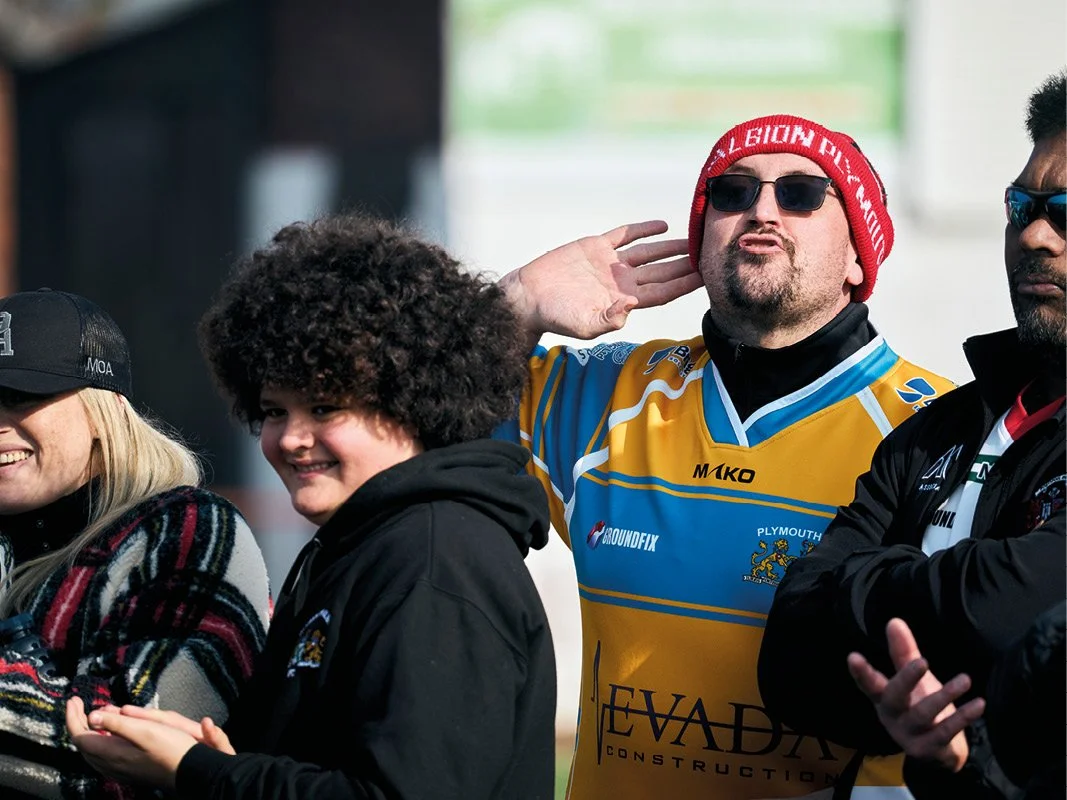
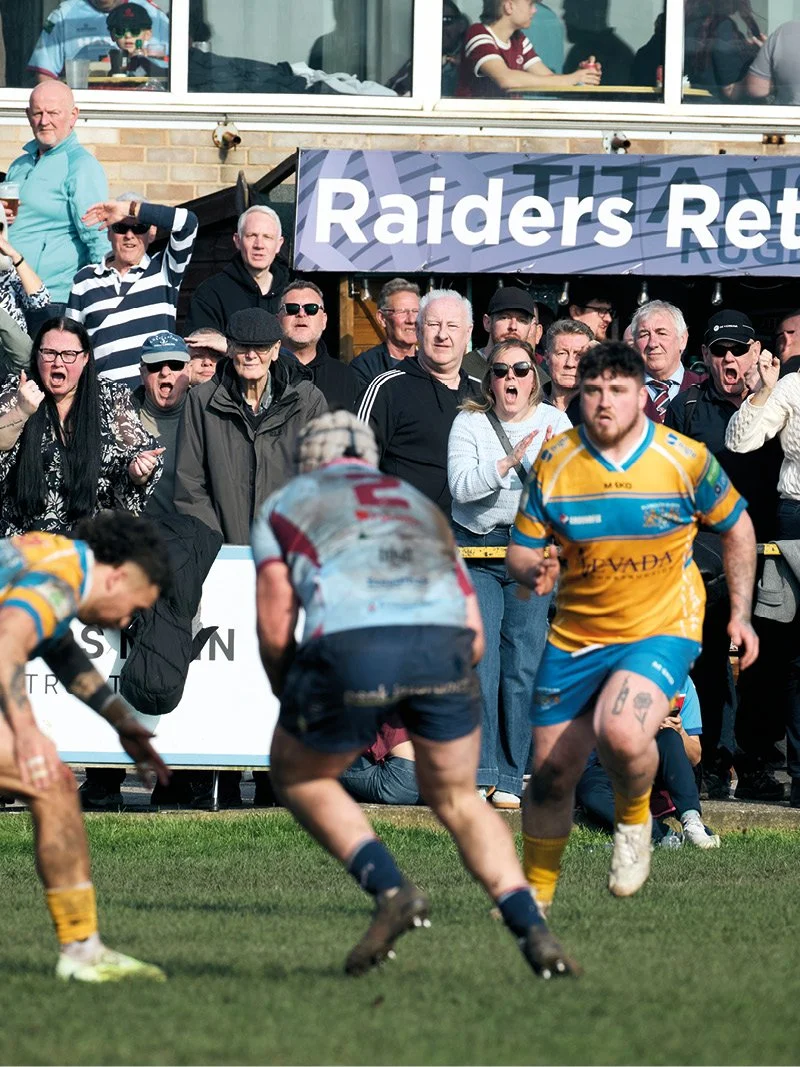
They have the fans too. When the club shared a division with Exeter Chiefs, it was Plymouth who often pulled in the bigger numbers. “I think the first year after Covid, everyone struggled a little bit for money, so we were around the 350-400 mark, but this year we’re averaging around 2,000-2,100, and when we had a big charity game against Rams, we got 4,500, so attendances have been brilliant.
“We’re really lucky in that we’ve got a fantastic core support base, there’s two universities in the city as well.”
The size of the future Prem seems to rely on who can build the best business plan. If you were to map out where a Prem club should reside, based on local rugby interest and talent base, potential crowds and rival sporting sides (or lack of), then Plymouth would surely be a contender, if they can get the formula right.
“I mean, it’s the biggest city in the south-west, so it’s all there for it to be a really, really successful club,” says Ryan. “And I think the way that we’re trying to do it now, we don’t want to have a money-man as such, where they’re having to chuck money in every year. We want to be as sustainable as it can be.
“I think the talent around the south-west is there as well,” he continues. “Obviously, you’ve got Pirates down in Penzance, but I think around where we are, the only high-level rugby really is at Chiefs. And obviously they can’t sign twenty or thirty lads every year, so there’s a lot of guys who kind of fall through the net a little bit, and that’s where we’re trying to pick up.”
There have been six players from Chiefs playing for Plymouth, although rarely on the same day. “They’ve sent some really good guys down, like Joe Bailey, who’s obviously had quite a lot of appearances in the Prem Cup,” says Ryan. “And those guys have really bought into what we’re doing. That’s what we asked of them when they came in. We told them we’re an ambitious club too, and if they come here, they’ve got to be here for more than a match fee: they’ve got to be part of Plymouth Albion and want to kick on, and kick the team on and add to the culture, add to the to the environment. To a man, they’ve been absolutely fantastic.”
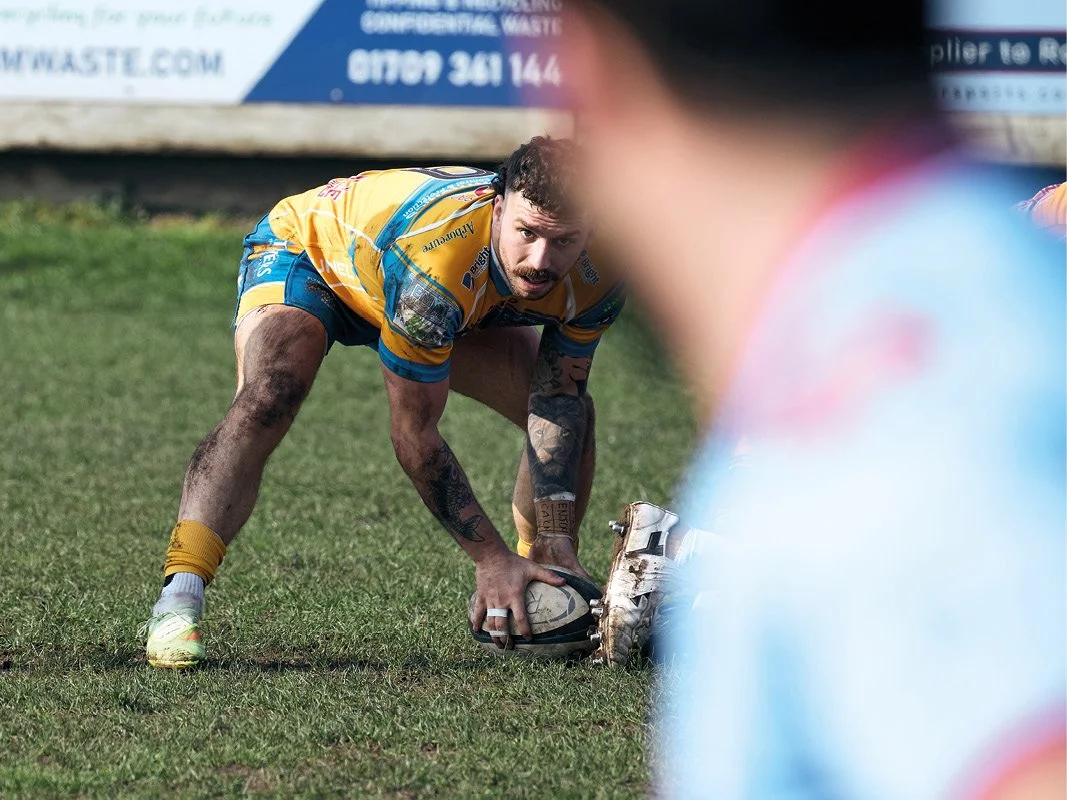
We speak to Ryan in the days that follow their top-of-the-table clash with Rotherham. The Devon side were a point behind Rotherham in second place going into the crucial game at Clifton Lane, and Plymouth started the better of the two sides, roaring into an early 13-0 lead by the half-hour mark. Rotherham pinned them back in the second half to level at 19-19 with no time left on the clock.
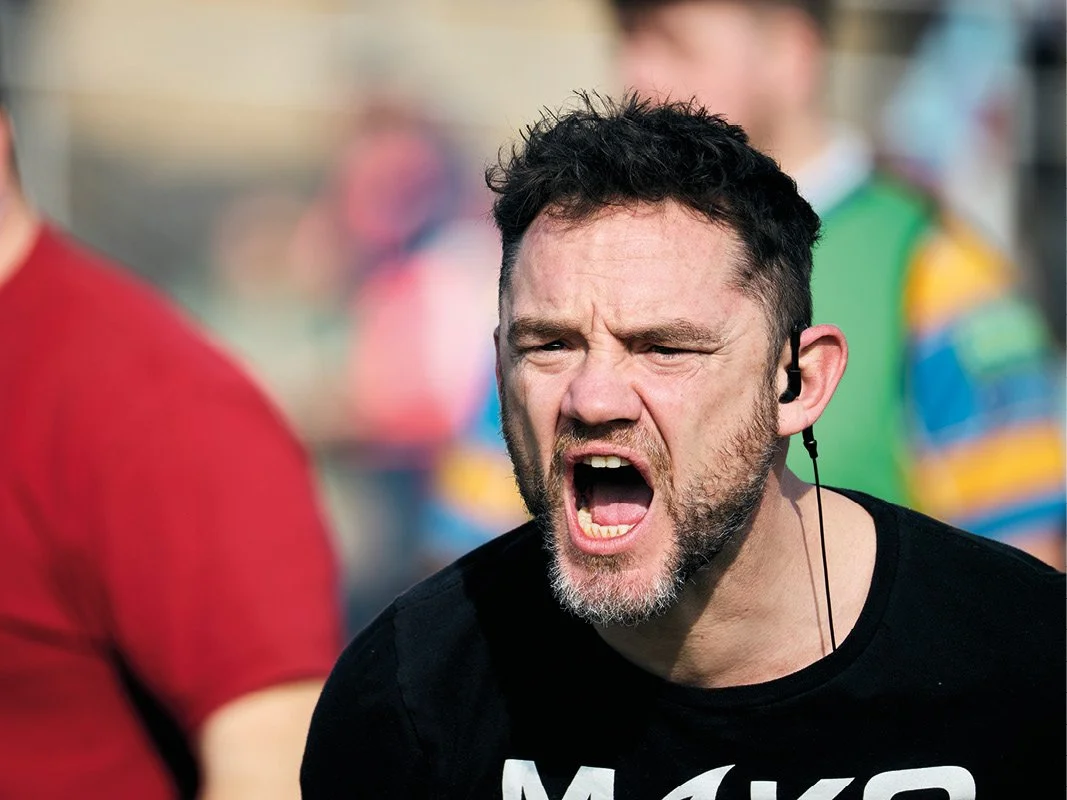
Plymouth would have been disappointed enough to finish level, given their previous dominance, but the game took a decisive turn when the ball found its way to Rotherham fly-half Lloyd Hayes, who nailed a 25-metre drop-goal, securing victory at the death. “I think we had nine penalties at the scrum,” rues Ryan. “But over the balance of the game, I thought we were the better side. I think our lineout went really well, and I thought we were putting them under pressure.
“Instead of playing a lot more rugby, Rotherham played cup-final rugby, and kicked a lot of the ball, put a lot of pressure on with the kick-chase. We missed a few opportunities. “We went through the middle with a two-on-one, when the game was 19-12, but we didn’t execute it. I think that would have took us out to 26-12 and in the last ten minutes, I think that’s game-over then.
“I was so proud of the boys,” he says. “We know as a group that there were missed opportunities, but I’d say fair play to Rotherham, they stuck in it and then showed real composure to get that drop-goal.”
There are still just enough points on offer for Albion to take top spot, but the new system means there are also the play-offs to fight for. Top spot brings guaranteed promotion, while the second and third clubs then play off, with the winner facing the loser of the Championship’s relegation play-off. “It brings a bit of jeopardy, mate, which I’m happy with,” says Ryan. “That’s what we want, isn’t it? We want to be at the top end of the league, so it’s interesting.
“I think National 1 is really good,” concludes Ryan, “and Rotherham were in Nat 2 a couple of seasons ago, so Harvey Biljon has done a really good job there. And that game has put massive attention around National 1, it’s created a bit of buzz and awareness for how good the league is. I hope it shows that rugby is not just about the Championship and Premiership.”
Harvey Biljon struggles to find the words to explain how he felt two and a half years ago, dealing with the fallout from his title-winning Champ side Jersey Reds ceasing to exist only months after their greatest-ever moment. “It was a tough place to be,” he says. “I’m not going to get too philosophical, but let me share a story. I set up a meeting for pre-season after we had just won the Championship. As coaches, you set up a meeting to go in a certain direction.
“Our set-up was, ‘okay, now we’re the champions, what next?’. Myself and a lot of others were thinking the players would come back with, ‘we’re champions, so everyone is going to be out to beat us’... But one of the players turned around and went, ‘you know, about two weeks after winning the competition, once the euphoria died down, reality kicked in … I play this game to play at the highest level I can, and the goal and the dream and ambition for me was to go and play in the Premiership, and I deserved that by winning the Championship, but that was taken away from me’.”
Even though rugby’s administrators had announced the Reds would not be eligible for a place in the Premiership months before they won the league, the cruelty of a then unofficially ‘ringfenced’ top flight was still felt. “We obviously put a spin on it, saying, ‘let’s prove we’re worthy of being a Premiership team. And we went out a week later and beat Bath [10-34] at the Rec in front of 10,000 people…”
But the worst was still to come, as the club lost their investors and ceased trading in September 2023, going into liquidation shortly after. “Forgive the cheesy story, mate. It’s the only way I can kind of articulate the impact. And I’m just talking about actual rugby ambition. I’m not talking about the devastation around suddenly not having a job and then having to be away from your family because
you’re working elsewhere.”
Harvey was at the coalface of the aftershock. “I remember looking left and right thinking, ‘where is all the support?’ while I was trying to get a player relief fund together to try and get people home and get them funding, it was a tough space to be in.”
Harvey had experienced Rotherham on several levels, including twice as a player for Wasps against them in the Premiership. “I played once against them at Clifton Lane – and it looked exactly the same then as it does now – and once at the football stadium down the road.
“I knew them as a tough Yorkshire place to go and play,” says Harvey, who also coached against them during his spells with Cornish Pirates and Jersey. “It was always difficult, a difficult opponent.
“And it was Nick Cragg [Rotherham chair] who got hold of me after Jersey Reds went pop,” continues Harvey. “At the time, I was probably a little bit confused and lost, and I took a three-month consultancy, but two years down the line, I’m still there. So it’s going pretty well.”
Harvey was still at Jersey, trying to raise funds for his players, when he got the call. He’d considered stepping away from rugby, but a meeting with Nick and CEO Martin Jenkinson, coaxed him back.
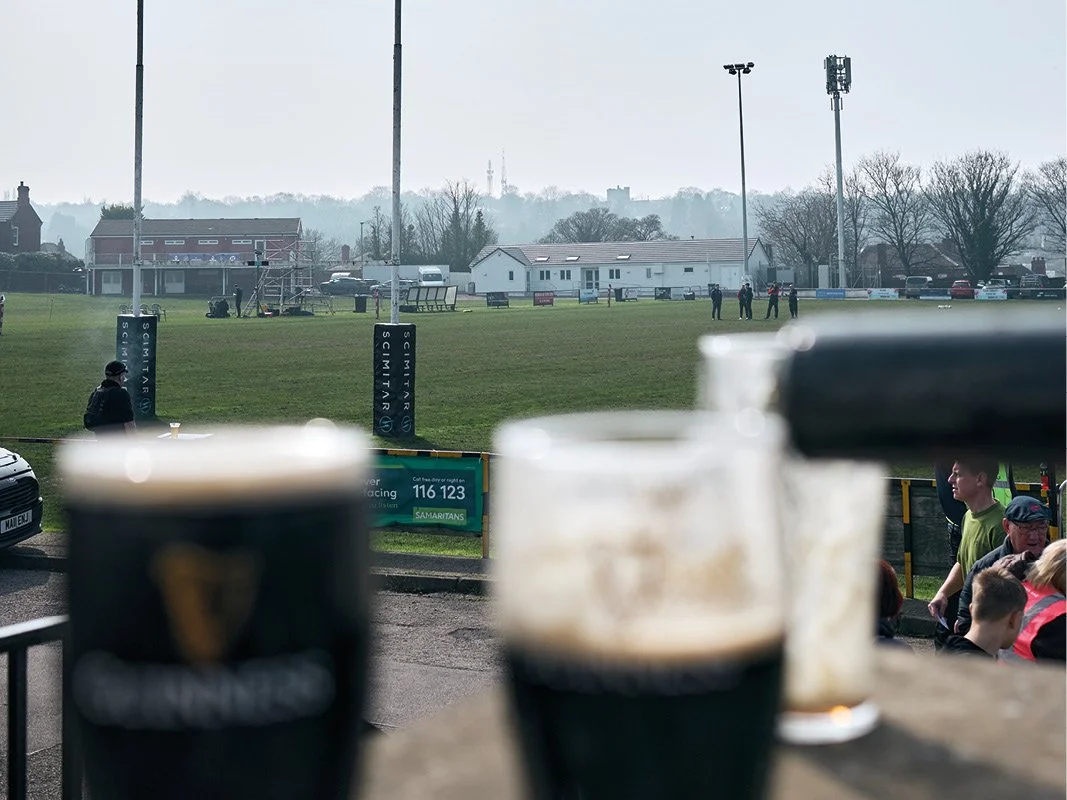
The club were in National 2 at the time, and Harvey helped them secure promotion. “We were not supposed to be promoted, Leeds were the front runners,” he says. “We won the campaign within six months of me being there. If you look at other teams that get promoted from National 2 to National 1, a lot of them get relegated, they yo-yo, but we went straight into a promotion race.”
They finished third in their first season back, and are now looking on course to go two places and one promotion better this season. “I think we’ve stimulated the on-field, but we’ve also given the club an off-field strategy on how we’re going to maintain and operate in tier two of English rugby, and that’s what I think the club is making big strides towards.
“I mean, I’ve not seen a club accelerate the way Rotherham has in the last two years; in my experience, not even Jersey Reds moved as quickly as this. They’ve really accelerated the drive around getting the infrastructure and facilities.”
“I really believe Clifton Lane, over the next six to 24 months, will look like a great place to come and play rugby.”
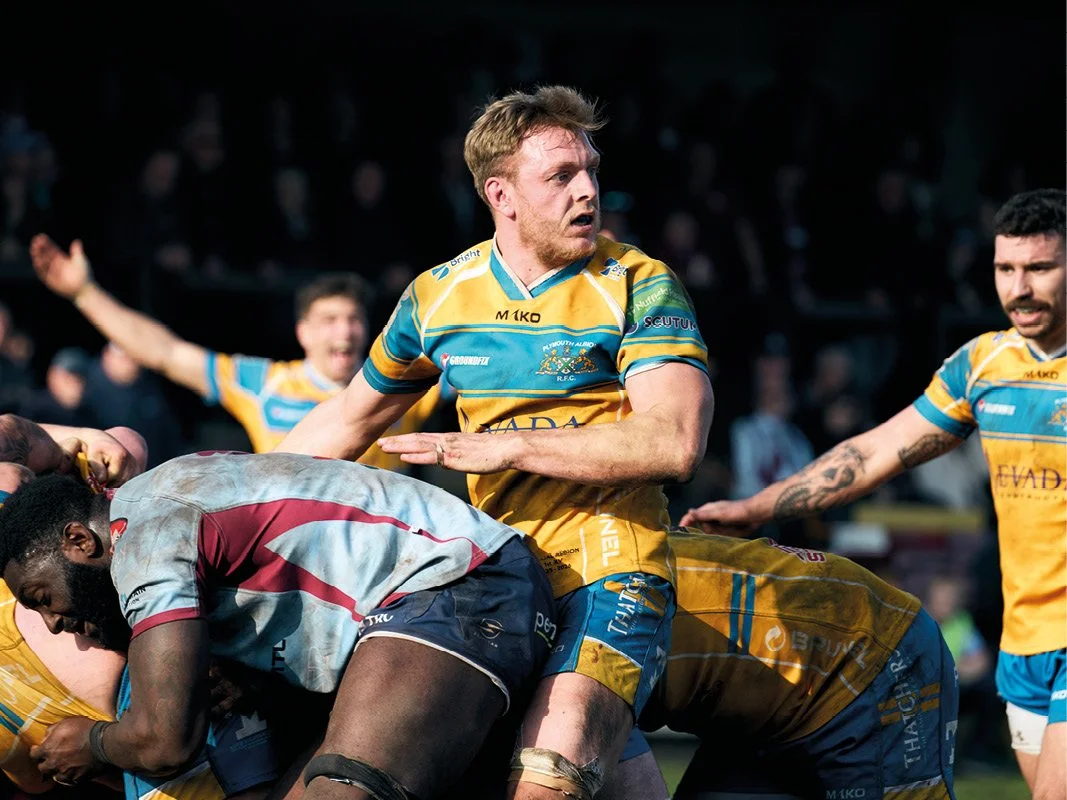
Rugby development and ambition is one thing, but perhaps more important for Harvey has been the new home he’s found at just the right time. “Rotherham gave me something at a time when I needed support from a rugby community, after what happened at Jersey Reds,” he says. “Rotherham is a working-class club, a welcoming club, let me tell you.
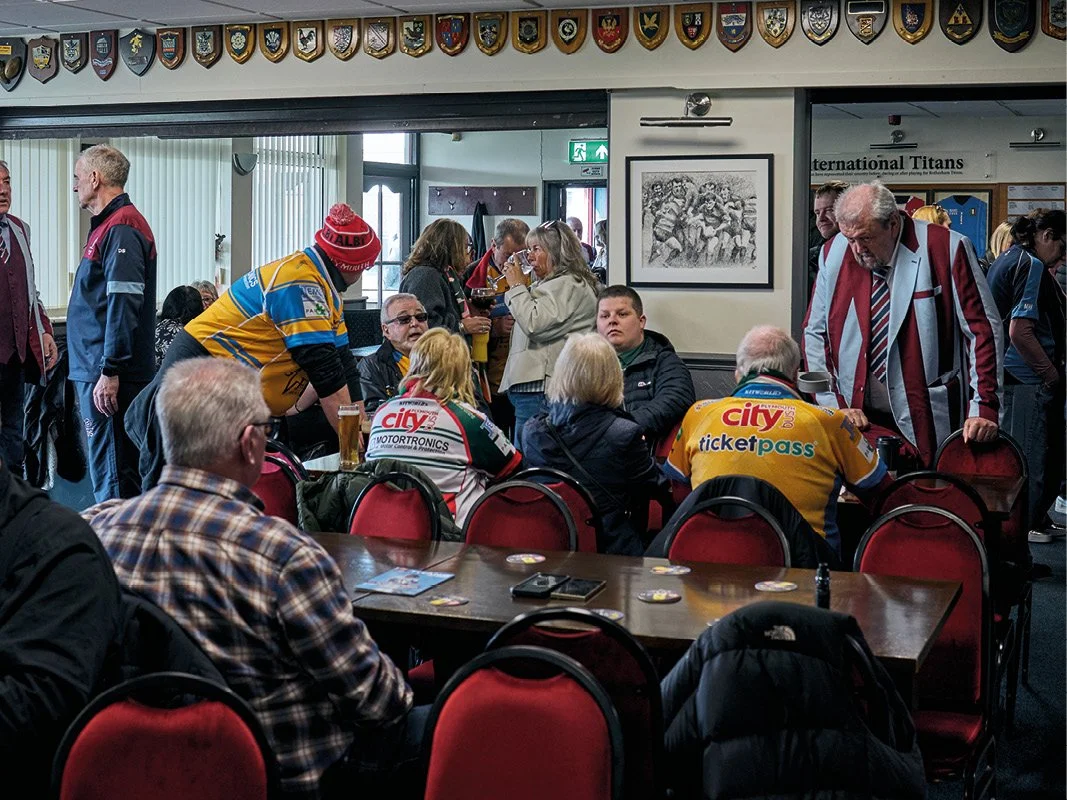
“I know everyone talks about how wonderful their supporters and fans are, but a coachload of Rotheram supporters still travel to every away game. They want to be part of it, they are integral in everything we do, and the way they connect with the players … how do I say this? You can be as professional as you need to be on the rugby front, but they still hold on to those traditional values and ethos where the players go and have a beer with the supporters after a game. Rotherham hold on to really special parts of rugby that I remember when I was growing up.”
Rotherham is unique among clubs in the higher echelons of the game. “I’ll give you an example,” says Harvey. “You’re at a pro club, you do a media day, someone photographs you, you jump from place to place, right?
“The Rotherham media day is where a supporter, who is working class, is spending her however many pounds to sponsor a player. And she’s going to meet her player, have a chat, a beer, and a meat pie with him. Then she’s going to be at every game shouting for her player.
“There is just something a little bit different about Rotherham,” he says, pausing. “I don’t know how to describe it, just different, a different feel, a different connection. The supporters are also in contact with the people that have now left the club and moved on. They know where they are, what jobs they’re doing, when they’ve got married, or they’ve been to their wedding, the whole bit.”
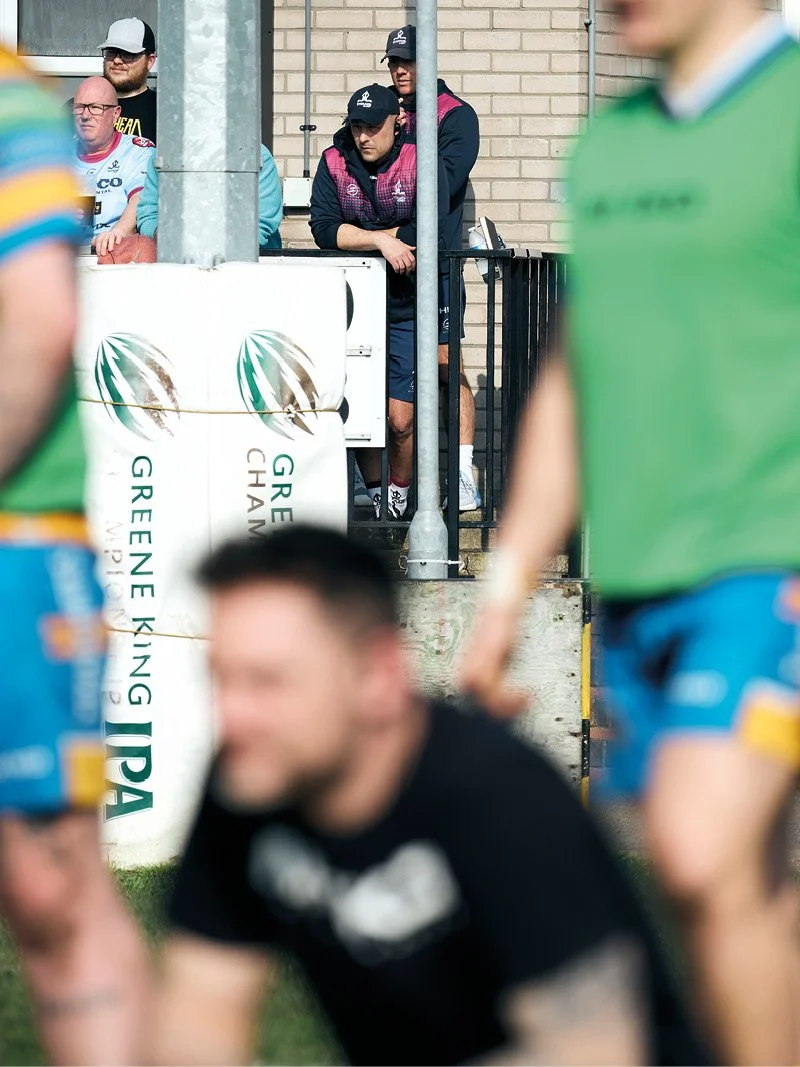
The closeness between player and fan, or coach and fan is special. “It’s a proper relationship,” says Harvey. “It’s not a polite, ‘hello, please, thank you, shake hands’ kind of thing; they actually ask you about you, they want you to find out about them, invite you around for Sunday dinner.”
You get the feeling Rotherham have always been like this, dating back to their inception, just over a century ago. For almost half of that time, one constant has been Martin Jenkinson, first as a player, now as a CEO, but with many job titles in between. “I joined as a seventeen-year-old, and now I’m 64,” he says.
He became even more pivotal to the club when, together with Cragg, he led a consortium to save it from extinction in 2004. “You support your club, don’t you?” he says. “It was a rescue job then, it was just about keeping the club going and functioning. We enjoy our rugby, it’s just what I do…”
Aside from any official job title, Martin has been the club’s biggest supporter in the years that have since passed. Why does he do it? “I don’t really know how to answer that,” he says. “It’s about having Rotherham play the highest standard, while being as well facilitated as it can be.
“It’s the camaraderie,” he says, finding an answer to the original question. “I’m talking to people I’ve known for the thick end of fifty years… it’s the focal point of everybody’s lives, it becomes part of you.”
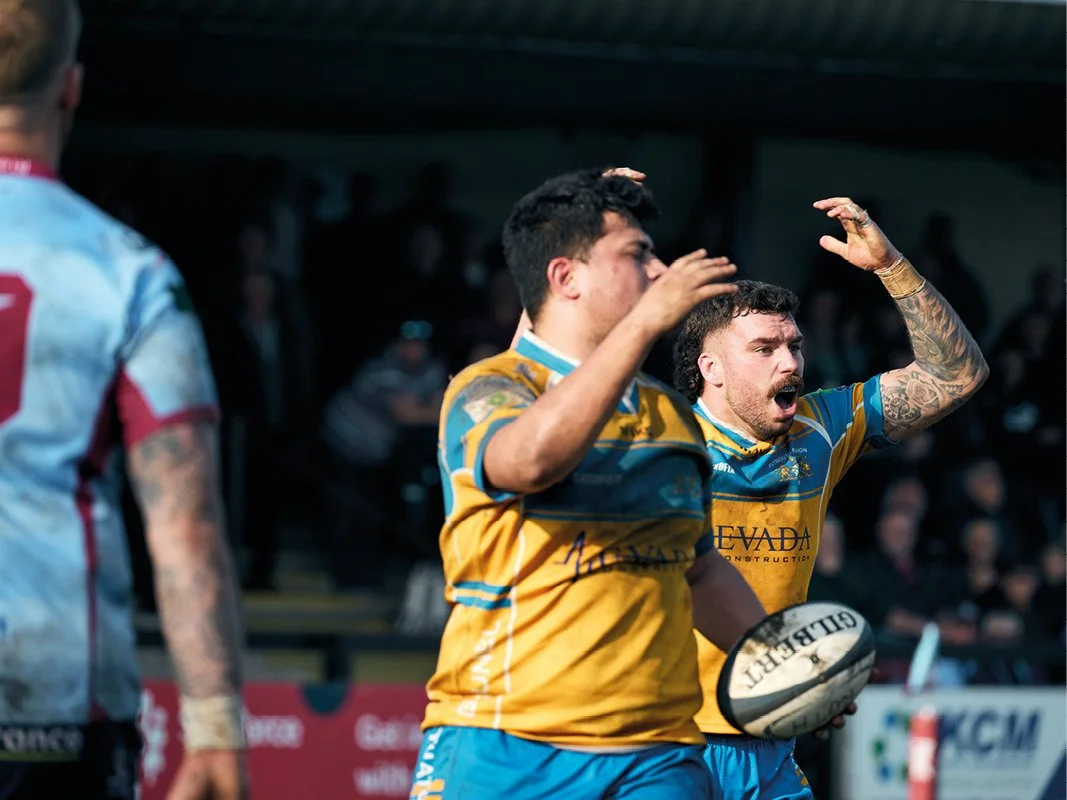
While he had to pick up the pieces from the two stints in the top flight [2000-01 and 2003-2004], he doesn’t look back on the Premiership days with anything other than good memories. “The ride was phenomenal,” he says. “Seeing Martin Johnson and Leicester run out at Clifton Lane, Harlequins with the likes of Will Greenwood – we never thought we’d see those days, what a fantastic ride.
“It’s sad how it ended, liquidation in 2004, but the actual journey, a ding-dong battle with Worcester to go up to the Premiership – we had the upper hand first, then latterly they had the upper hand… Great days, happy days, memorable days, what we’re after. We had that last Saturday, beating Plymouth with the last kick of the game, that was special... that will live long in the memory.”
That win wasn’t by accident. As Martin points out, while they’ve come up from National 2, their home in recent years has been in the division above, not below. “When we were in the Champ, under the [Lee] Blackett years, we had two years when we were in Premiership play-offs [losing to Bristol in the semi-finals in 2014 and 2015], and we’ve been out of it for eight years, but since 2004 we’ve spent the majority of our time in the second tier.”
The club have learnt lessons from the past. “The problem always is to keep the club as close to sustainability as possible,” he says. “When the game went professional, they said there was never ever going to be enough money, the desire for success would always outstrip the ability to pay for it.”
Instead, they’re trying to progress, but with caution. “We’ve been a lot more sensible about it, it takes a small amount of money to keep it going, not the huge figures you hear mentioned at other clubs.
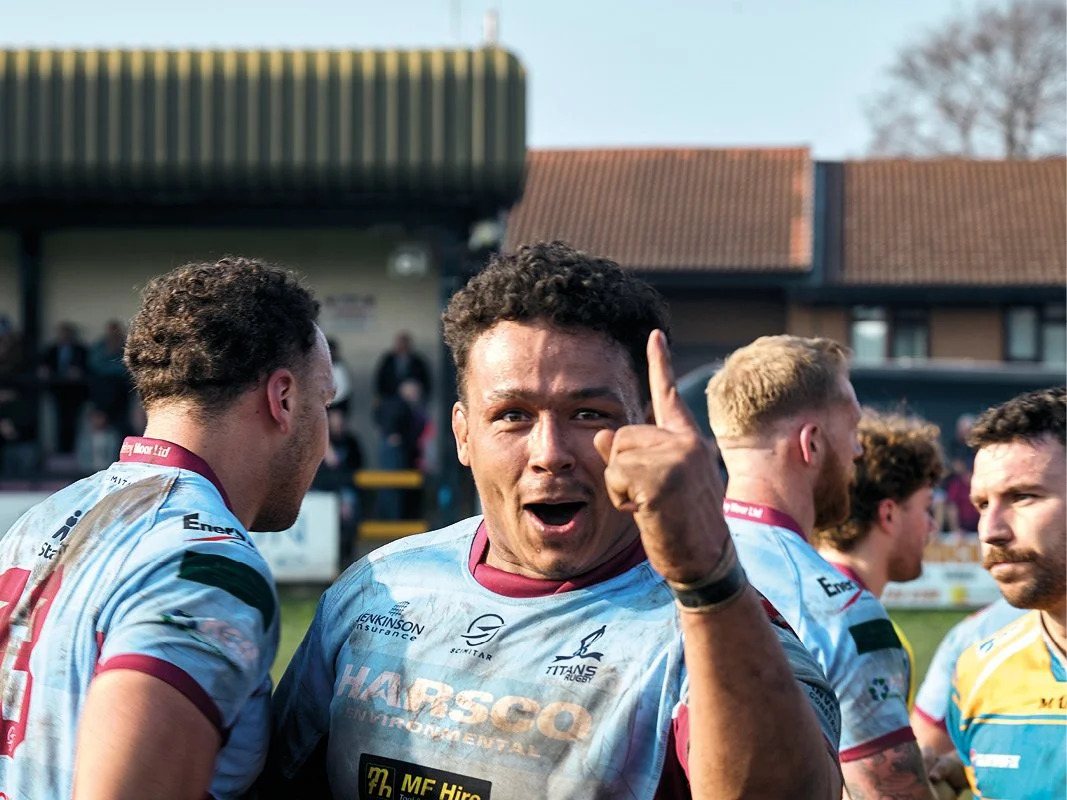
“National 1 is a hard division,” he continues, “even the teams scrapping at the bottom, it’s a really physical test. It’s a very enjoyable division, the Prem boys are miles away, but National 1 is grounded, it’s solid rugby clubs, it’s about the things that attracted you to the game, a sense of the old way: lose with dignity, win with grace. You lose that at times: we’re not perfect, but it’s definitely more of that. You hear about the Premiership piloting ‘away ends’, and think, ‘what all that about?’.”
Rotherham are trying to not only control their own financial destiny, but also their players. “If I could put my finger on one thing it would be how Harvey Biljon, who’s been with us for two and half years, has brought a specific mentality to it all. And the number one thing is that we have not used one loan player all year. Harvey’s mantra has been to have our own players, to develop our own boys.
And we will determine when and where they play.
“No disrespect to Plymouth, but they had four or five Exeter boys, we lost to Dings, and most of their side you could pretty much trace back to Bristol…
“But Harvey decided to go down a different route, to get players, and develop our own players. He recruited Curran Maguire from Durham University, Harry Gilson-Fox from whatever university in London: it’s a mixture of young boys he’s brought in, sprinkled with older heads like Lloyd Hayes, Andrew Foster, JB [JB Bruzulier], who’s 32 years old, and been there, seen it, done it. Harvey controls who’s playing each week, it’s not about seeing who the Premiership side has available.”
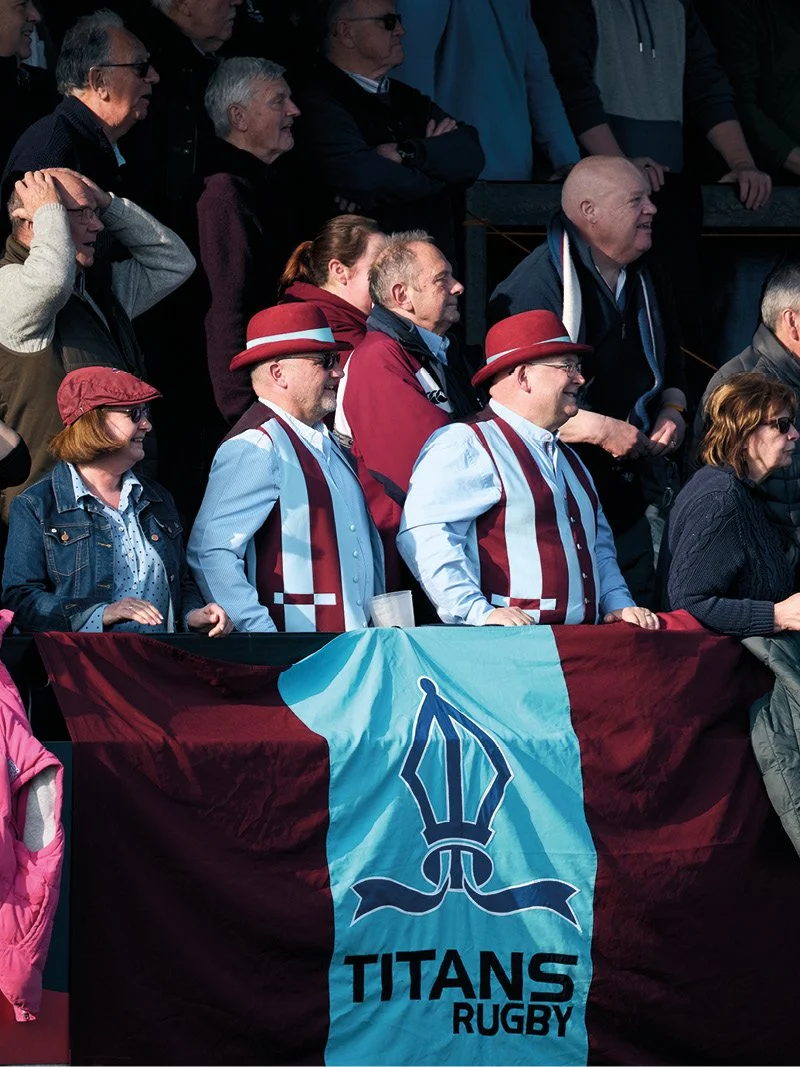
The Plymouth game drew a record attendance of 1,223, but sounded like far more. “A lot of clubs can’t exist without benefactors,” continues Martin. “There’s a broad shareholding at Rotherham, two of us control matters, but there’s a broad base of shareholders. And we are well-supported by sponsors, for a club of our size, it has to be said,” he adds.
The club have also developed the Titans Community Foundation, which was started in the 1990s. “We’ve got five, six or seven players working for them – which means they can then be in the area, because they couldn’t live on what we pay them for playing rugby and they’re going out in schools, youth clubs and holiday camps. As part of that JB has just coached Thomas Rotherham college, which doesn’t have great rugby traditions, to a final in the rung down from Hartpury.”
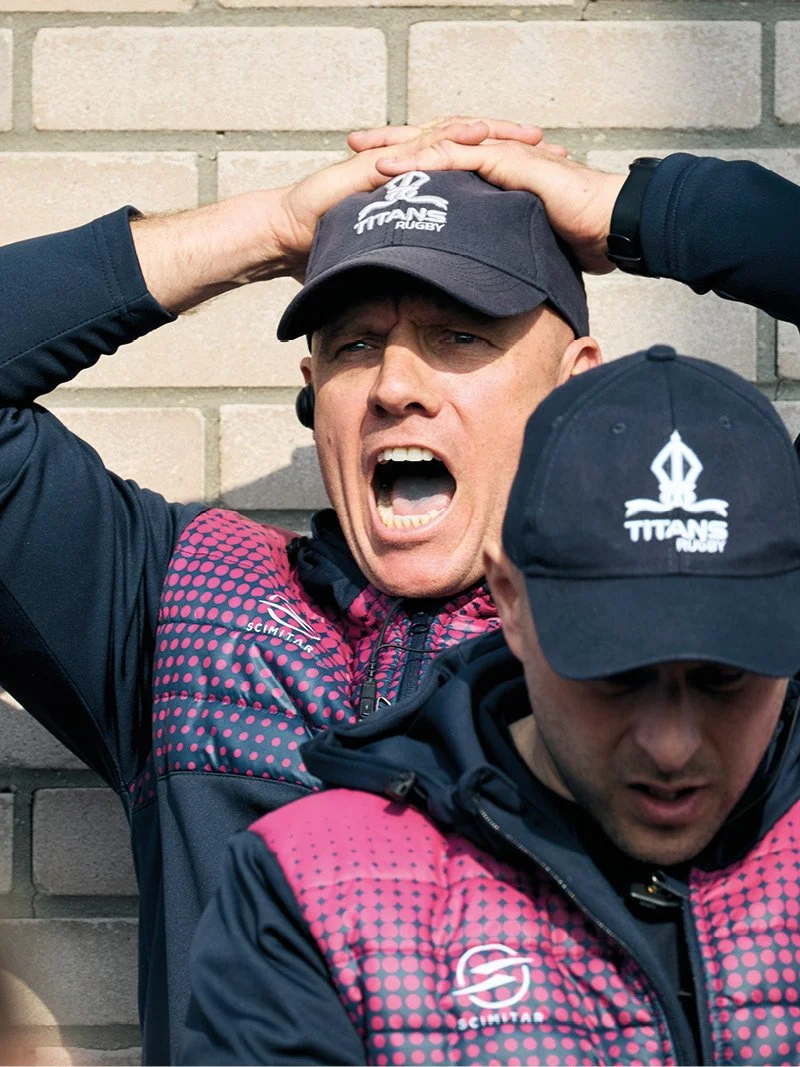
As good as their fans are, and as unique as the family feel of the club is, Rotherham aren’t without ambition. “To be acceptably sustainable,’ Martin says of their goal. “Some Champ owners have to put £1m in of their money every year, but we want to be a sustainably successful Champ club.
“The thing I always say to a player is ‘don’t forget, you’re supposed to enjoy this’,” he continues, before applying the same rationale to his own role. “This is our enjoyment, this is our recreation, this is what we do for fun. The best way to enjoy rugby is to get down there, see a game, have a pint with people you’ve known for years, talk a lot of rubbish, then repeat that every fortnight.”
Actions speak louder than words. And if you visit Clifton Lane, you’ll notice more than a few things happening. “There’s a colossal amount of work going on,” says Martin, alluding to the RFU’s new entry requirements for the Champ. “We shared with the cricket club for a long time, unfortunately, cricket is not there, but that does mean we’re not restricted space-wise, and we can put things in place.
“We’ve had to squeeze the last ten to twenty years of evolution into one summer, but it’s all in hand, we can comply with everything, but it does mean that there’s work going on all over the place: media towers, reorientating pitches, altering dressing rooms, goodness knows what else.
“But,” he adds, “it’s all in hand, on schedule, the works are ongoing, and we’re comfortable. We’ve met with the RFU and can tick the boxes.”
We speak with three games still to play, the title could still be stolen. What then? “If we don’t go up, then we’ll double down and have another go,” says Martin. “We have to face reality: if we go up, it’s going to be bloomin’ hard to stay up, we’ll really have to battle to stay in the league.”
Could they go further? “It’s a game for billionaires isn’t it,” he says of the Prem. “[James] Dyson, [Stephen] Lansdown… I’m not being judgmental, but it’s a game for billionaires. All we can do is support our club and take that as far as we can…
“And, besides,” he adds. “I’m 64, and some of every day is about the rugby club. If I don’t do this, what else am I going to do? And, fingers crossed, next season, it’s in the Championship.”
Story by Alex Mead
Pictures by Russ Williams & Samuel Simpson-Pattison
This extract was taken from issue 33 of Rugby Journal.
To order the print journal, click here.