Graham Henry could only watch on in awe as Horowhenua’s 18-year-old fly-half weaved past one All Black, outran another and raced to the tryline for a breathtaking solo score. Even he couldn’t have known he was witnessing the birth of King Carlos.
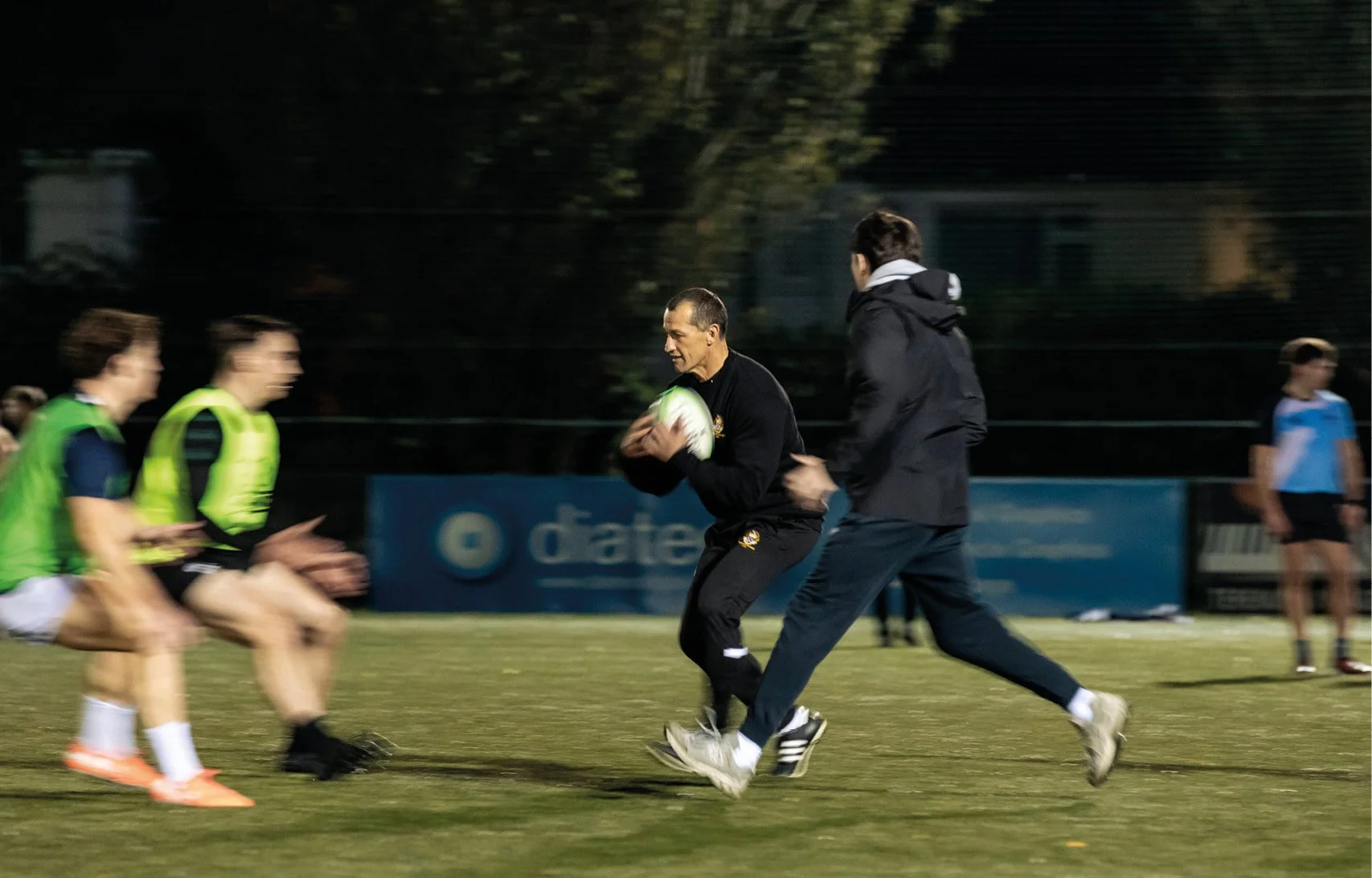
In south-west Dublin, at a rugby club you’ve probably never heard of, tucked away behind red-brick terraces and tree-lined streets, a man they once called ‘King’ has set up shop. It might just be the coaching scoop of the decade.
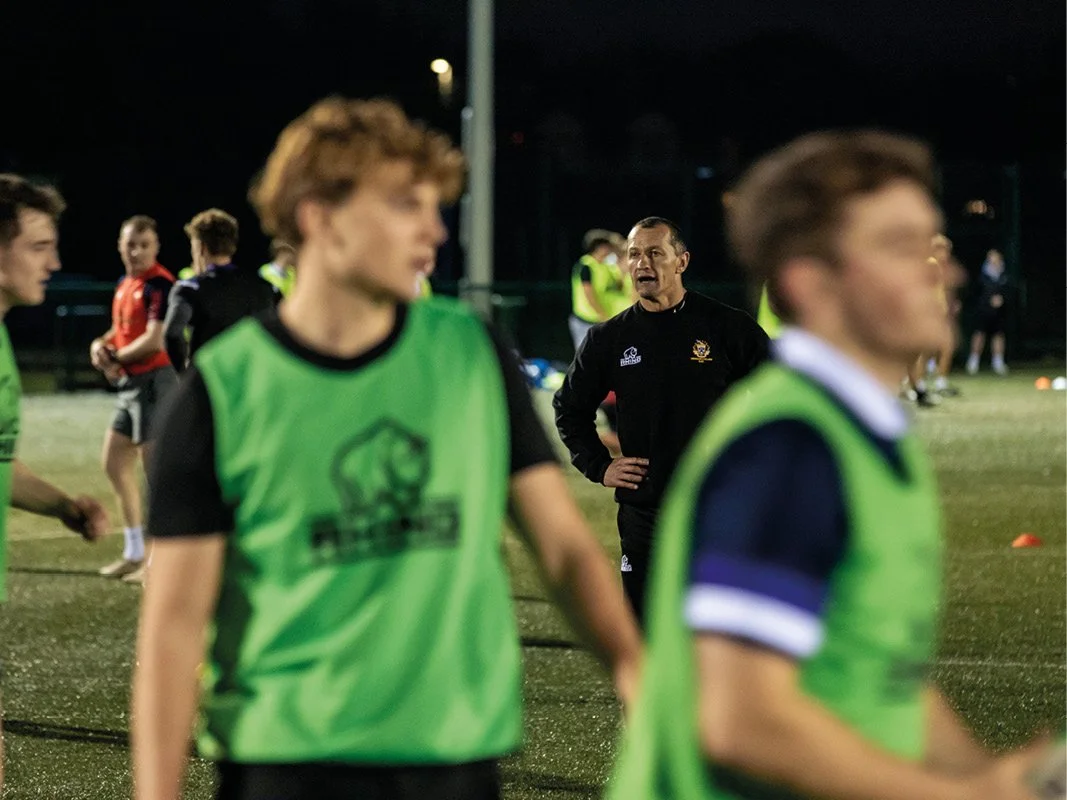
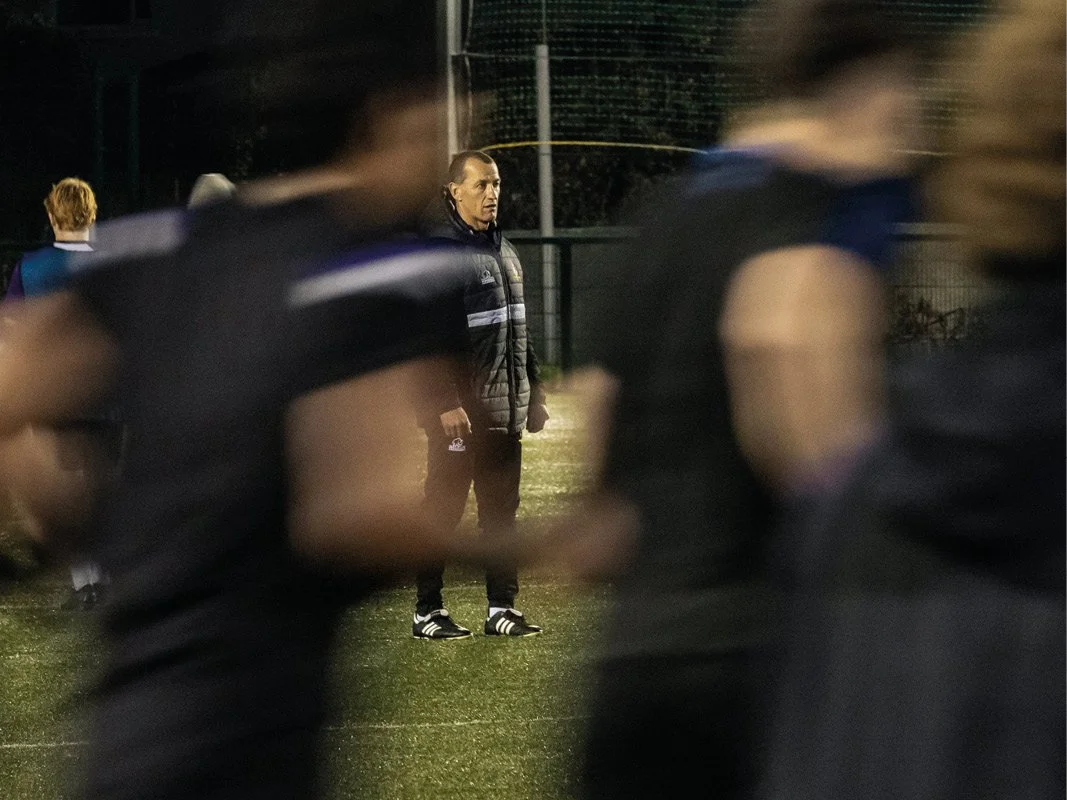
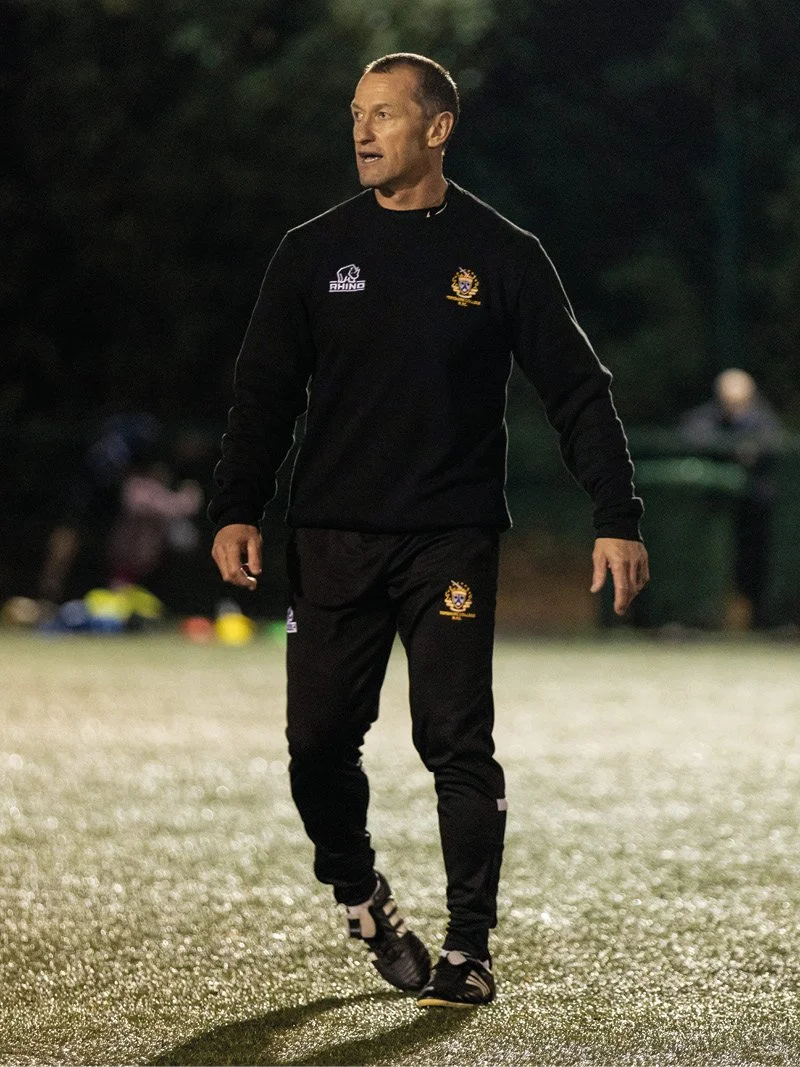
Terenure College RFC, a former pupils club that has risen to become one of Ireland’s most successful amateur sides, has a new head coach: Carlos Spencer.
The original maverick number ten, the cult hero who lit up a rugby field like no other and was considered mercurial even in New Zealand (do you know how good you have to be to stand out in rugby’s most talented nation?) has landed in the All-Ireland League. For some, memories will flash up of the golden years of Super Rugby, with Carlos in the middle tearing it up for the Blues; for others, it will be the nonchalant trick shots that blessed our pandemic social media feeds. However you picture him, it’s probably not at the coalface of the Irish amateur club game.
So unexpected is his arrival, it’s surprised everyone, including himself. “It came through chatting with a business partner,” says Carlos as we speak in his new home city. “I don’t know how we got onto it, but he mentioned something about coaching Terenure and I think we were just joking. And then I came back and had a conversation and thought, okay, if they can make a few things work, then that might be able to happen. Five months later, and we’re here.”
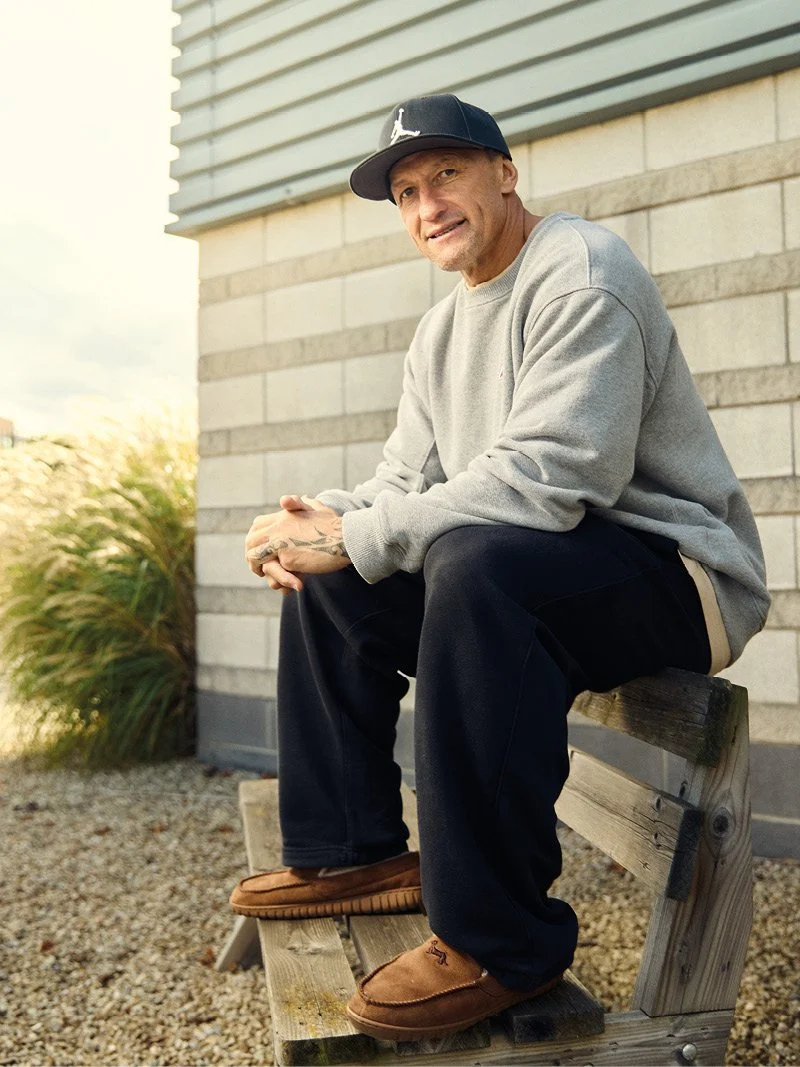
Carlos may be dressed in a black flat cap, grey sweatshirt and fluffy loafer slippers, but the aura is unquestionably still there. His hair might be heading towards grey, and one of his knees might be so broken that running is now out of the question for him, but the confidence and presence of a man whose career was defined by his flair, flamboyance, audacity – and, quite frankly, not caring what anyone else thinks – hasn’t faded one bit.
He’s a player remembered as much for the swashbuckling swagger of the way he went about his rugby, for the between-the-legs passes and the knee kicks, as he is the accolades he achieved, which are considerable: 35 Tests and 291 points for New Zealand; four National Provincial Championships and 492 points for Auckland; and three Super Rugby titles and 620 points for Blues. It’s not without good reason that he was anointed King Carlos.
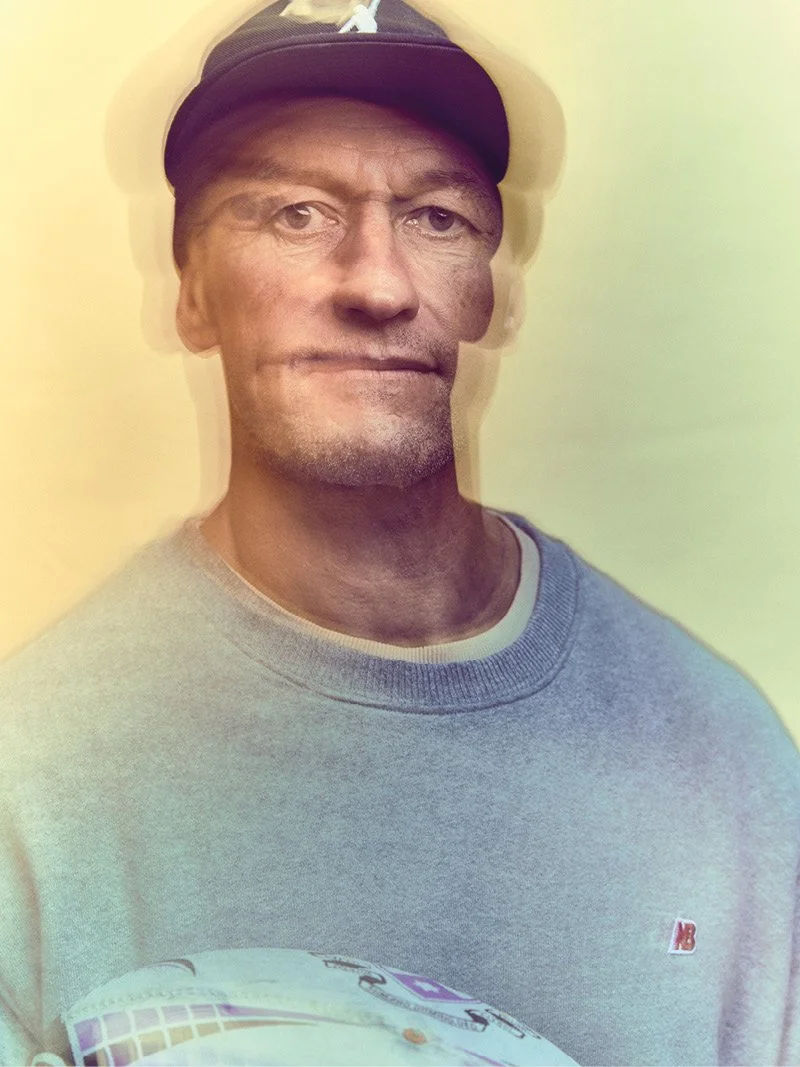
Born and raised in Levin, a quite unspectacular kind of town that one passes with no fanfare on the lower west coast of New Zealand’s North Island, it was here, playing in the streets with his mates, that Carlos found his love for the game. “Levin would have been small back in those days, twenty-two, maybe twenty-three thousand people,” he says. “I grew up in a normal house on a normal street. My dad was a drain layer at the time, my mother worked for a clothing manufacturer.
“You first started club rugby at five years old, and in those days, it was straight into tackling,” he continues. “So yeah, bare feet, Saturday morning, that was me, running around with my mates and trying to be a cheeky bugger and be creative.”
It was all about the fun of the game for Carlos; a trailblazer, he wasn’t following in anyone’s footsteps. “I didn’t admire a lot of players growing up,” he says. “The one player that stuck out was Bernie Fraser [Wellington and All Black winger], and probably the only reason was because he scored a lot of tries and he had a corner named after him [at the Athletic Park]. I just thought that was cool.
“I just loved playing the game,” he adds, “creating stuff with a rugby ball, just knowing what I could do with a rugby ball and going out there and enjoying and trying to excite people, I suppose that’s what drove me to play rugby.”
Unsurprisingly rugby’s original baller was good at everything he played, even reaching national level at BMX and softball, but rugby made a claim early, with his third-tier provincial side Horowhenua selecting him for the seniors at sixteen years old. “It was far out,” he recalls. “It was pretty daunting facing fully grown men. It was third division, so if our game was in the South Island we didn’t fly, we’d get the ferry, hop on a bus for another four or five hours down to somewhere like Westport, play and come back. You’re on the road for two days.
“It was probably two of the best years of my life,” he continues. “Sixteen years old, getting to grow up and play rugby and have a good time doing it, getting up to a bit of mischief with some grown-ups, and sharing a few beers with them. And the good thing is, my older brother was in the same team, he was there to look after me, but fuck, the whole team were pretty much like a father to me, you know?
I was the youngest by about six years.”
After two seasons travelling the length and breadth of the country with Horowhenua, Carlos would get the opportunity to showcase his talents when the mighty Auckland came to town. “What happens in New Zealand, whoever holds the Ranfurly Shield takes it around the country before the NPC starts, and they go and challenge a few of the second and third division teams, and we were lucky to get a challenge,” he says. “It was a massive buzz for the town, bringing the Ranfurly Shield to Levin, but the second big buzz was the team they brought. It wasn’t a third string, they brought a lot of their big names like Grant Fox, Inga Tuigamala, and Graham Henry was coach.
“I managed to play alright, score a try, and Graham Henry was like yeah, boom. A few months later he gave me a phone call, told me Grant Fox was retiring and that he wanted me to come to Auckland.”
Carlos is underselling himself – against a stacked Auckland team he was the star, scoring a spectacular solo try in a game his side ended up losing by 80-17. Later that year, Carlos would lead Horowhenua to the third division title, their only league title to this day, setting a union record for the most points scored in a season with 136. That call from Henry was inevitable.
The step up to Auckland and the big leagues was considerable. “I went from walking into a changing room where no one [outside of the club] had a clue who anyone was, blokes working nine to five grafting away, to one where about eighty per cent of them were All Blacks. You didn’t know what to say, you just walk in with your head down and find your seat.”
With a team featuring the likes of Sean Fitzpatrick, Olo Brown, Zinzan and Robin Brooke, Lee Stensness and Shane Howarth, in his first season Auckland made the 1994 NPC final against local rivals North Harbour. It ended up being one of the most infamous provincial finals ever – two players were sent off, seven more faced citings of various genres, but Auckland emerged from the ruckus as victors. And it was that kind of baptism of fire that readied a still fresh-faced Carlos to take yet another step forward – being called up to the All Blacks just a year later. “After the 1995 World Cup I got called up to the tour to France through injury [to Andrew Mehrtens], so after two years of NPC I was an All Black.
“It all happened pretty quickly,” recalls Carlos, who won his first cap, aged twenty. “When I first moved up there, we were winning everything, and Auckland was winning everything before that anyway. I was lucky to walk into a special team, especially at that age, so the start of my professional career was pretty good.”
His debut in the black jersey came against Languedoc-Roussillon, with two more mid-week games rounding out his tour, but a Test match cap still awaited.
Everything seemed to have come easily for Carlos to that point in his career – senior rugby at sixteen, an NPC first division title at nineteen and an All Black jersey before he was 21. However, after breaking into the international fold, he was met with the first real roadblock of his career in the form of New Zealand’s incumbent fly-half, Andrew Mehrtens.
Such were the talents of the two men, the battle between Mehrtens and Carlos for the ten jersey would ultimately colour the next ten years of his career, and to a greater extent the ideological battle in New Zealand rugby, with the more conservative Mehrtens often preferred to the sorcery of Spencer. “Fuck, when I look back on it, I saw it as a challenge really,” he reflects. “I had a lot of respect for Mehrts, not only as a player but as a person. We were different – he was a general, I was more of an attacking fly-half, so we brought different things to the table. He was someone I needed to get through to be an All Black, but it was tough, it wasn’t like he had a bad game.
“In my era we had some great fly-halves coming through. Simon Culhane also was hanging around at that time, Jon Preston played a bit at ten towards the end of his career. Then a bit later Tony Brown came along, and then Dan Carter. It wasn’t like it was just the two of us, there was always someone lurking in the background who could do a job. We knew if we had a bad run, we could easily be dropped.”
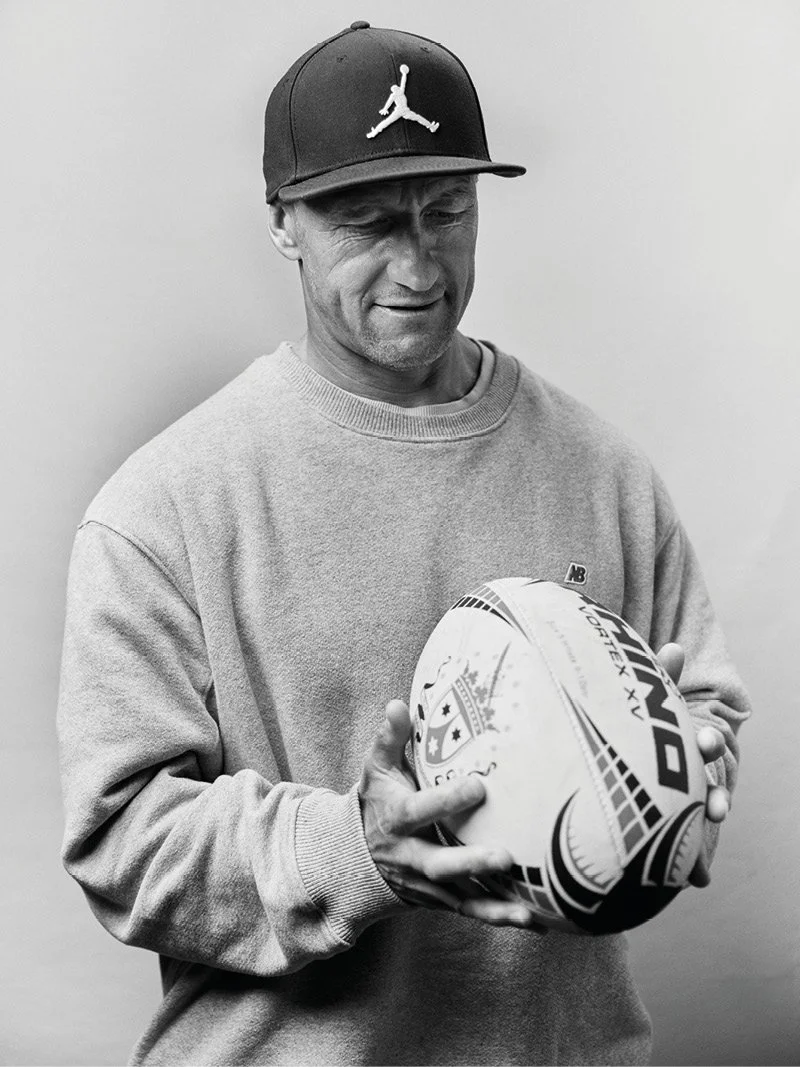
A year after his debut, Carlos was included on the 1996 tour to South Africa, but again only featured in mid-week with Culhane and Mehrtens preferred. In fact, he had to wait until 1997 to finally get his first Test appearance, which only came about after Mehrtens was ruled out injured. Having waited two years for the opportunity, in true Carlos style he made the most of it, scoring 33 points on debut against Argentina – only Tony Brown, with 36 against Tonga, and Simon Culhane, with 45 against Japan, have scored more in a single Test match for the All Blacks.
Through the rest of his New Zealand career, Carlos would prove himself time and again when he was given the opportunity, but the powers that be always seemed to hold a nagging concern for his risk-versus-reward factor. “I understood it [why Mehrtens got picked], but whether I accepted it or not would be another question, mate,” says Carlos. “I knew we were two different players, but I knew I
could bring things he could never bring, so whether I accepted that they wanted to go with the more traditional fly-half ... well, it was what it was.
“I wasn’t happy just waiting for my time. And that was good, it keeps you wanting to work harder, making sure you’re ready when the opportunity comes. And when I got it, I fucking took it with both hands.”
There’s a steeliness to his answer that cuts through the diplomacy. While Carlos may appreciate what Mehrtens offered, he can barely conceal his belief that he deserved more. You might think that would leave him feeling unfulfilled about his New Zealand career, but far from it. “The only one regret I have is I didn’t win a World Cup. Yeah, that’s it,” he says. “But I look back and I wouldn’t change anything, you know. I wouldn’t change the way I played, the way I did things.”
Nothing summed up the dichotomy of King Carlos better than the 2003 World Cup. After a training ground run-in with Dylan Mika, leading to a knee injury, had cut his 1999 campaign short, by the time 2003 rolled around Carlos had just been named Super Rugby player of the year, earning him the starting ten shirt under coach John Mitchell.
With the All Blacks having crashed out in 1999 thanks to an improbable French comeback in the semi-final, the stakes were higher than ever for tournament favourites New Zealand four years later.
They’d sailed through the group stages, faced South Africa in the quarters, and beat them 29-9. Carlos was at the centre of everything, setting up two of his side’s three tries, his break just outside their own 22 putting Leon MacDonald through in the first half, before a between-the-legs pass to Joe Rokocoko sealed victory. Headlines ran with variations of how an ‘exuberant’ performance from Spencer had ‘inspired’ his side. Praise for his ‘instinctive brilliance’ was universal.
However, in the semi-final against Australia, when that same exuberance ended in Stirling Mortlock going over for an intercept try after ten minutes, those same voices turned on him when the All Blacks fell to a 22-10 defeat. “I got torn apart, but that’s because of who I was, you know what I mean?” says Carlos. “If someone else had threw that pass, they wouldn’t have got ripped apart, it was because it was Carlos Spencer. Fuck, you know as a rugby player you don’t lose a game because of one intercept pass – if that’s how people look at a game of rugby, they’re pretty clueless. Yeh, I got a lot of crap for it, but hey, that stuff doesn’t get to me.”
Luckily, the people that mattered always understood who he was. “I never got a coach that was wasn’t willing to let me be me most of the time, you know, within reason,” he says. “I was quite lucky, if someone had said, ‘nah, we can’t have you like this, here’s the railway track, you stay on that for 79 minutes of the game’, that would not have gone down well.
“I was different, I was someone who thought outside the box and was prepared to try things that others wouldn’t. I was never afraid if it didn’t come off. Yeah, it didn’t come off every time, and I knew that I was prepared to take risks. Others were probably worried about the consequences if they got it wrong.
“Not that I didn’t give a shit,” he assures. “I still cared – if anyone was fucking disappointed if they got something wrong, it was me, I was my worst critic. What anyone else had to say about me didn’t matter.”
Racing towards thirty and with the New Zealand selectors looking to Dan Carter as the future, in 2005 Carlos headed for pastures new, starting with five years at Northampton Saints. He was an instant crowd favourite, but on the pitch, things didn’t go to plan, and in his second season the club were relegated.
From the glittering heights of World Cup semi-finals, Carlos was now spending his Saturdays trekking away to the likes of Launceston, Sedgley Park and Newbury. “Fucking hell, yeh,” remembers Carlos. “But actually, I enjoyed it to be honest, because we played some pretty exciting rugby. We were winning every week, which is always fun. You’ve got to make the most of it.
“Obviously to go down was disappointing, especially for a club like the Saints, just for the crowd really, because I just loved the Gardens fans you know. They just turn out week in, week out. To put them through a year of misery was not good.
“But I was brought up with pretty humble beginnings, I’ve spent a lot of my time in pretty shitty changing rooms playing in the third division in New Zealand, so whatever we were put in that year wouldn’t have surprised me. It just gave us a reality check and a kick up the arse.”
With Jim Mallinder favouring Stephen Myler ahead of Carlos, he departed the Saints for Gloucester in 2009, but after coach Dean Ryan was replaced by Bryan Redpath, his stint in the west country was short-lived, and he was soon jetting back to the southern hemisphere and South Africa. “Dick Muir [then coach of the Lions] gave me a call and said, ‘would you be keen?’, and I thought, ‘Oh, fuck going back to play Super Rugby? I might be a bit too old for that’. I was in the UK for six years where you spend a lot of time playing ten-man rugby, and to go back to the speed of Super Rugby…
“I did a bit of a deal and said I’d come over as a bit of a player-coach role, but after a season I knew the game had got away from me. John Mitchell came in as coach, and he was the one who finally gave me the red card and said, ‘might be time to focus on coaching’.”
After two years learning his trade in Johannesburg, spells at the Sharks and the Kings were followed by two years in Japan with the Munakata Sanix Blues. In 2015, he returned to New Zealand where he took up assistant roles with the Hurricanes, Blues women and the Black Ferns XV, via a short American adventure with NOLA Gold in the MLR.
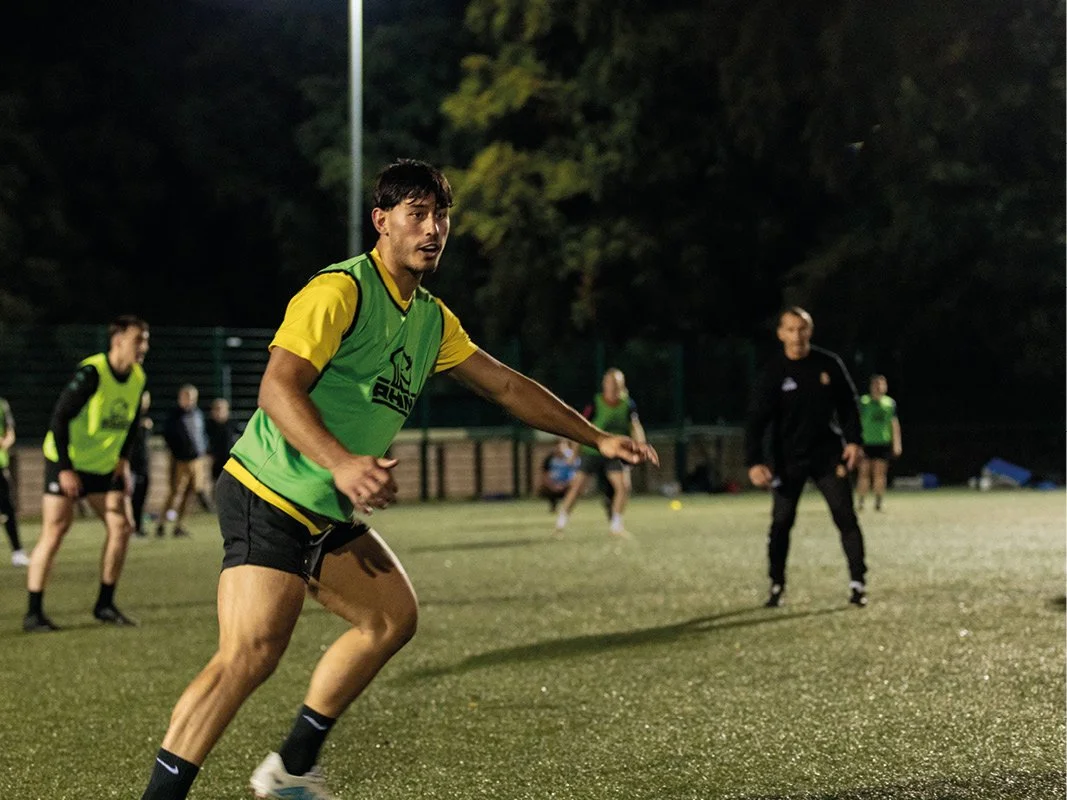
Coaching has taken Carlos to many corners of the world, and while Ireland couldn’t be much further away from New Zealand, things at Terenure College RFC still feel familiar. “Rugby culture is pretty much the same everywhere around the world, so it’s just different things around lifestyle,” he says. “I heard the weather could be something, but we get some terrible weather back home too.”
He arrives at Terenure with the club in a very good place. Under previous coach Seán Skehan, they enjoyed the most successful period in their history, reaching three consecutive All-Ireland League finals between 2021 and 2024, and completing a quadruple in 2023 when they beat Clontarf by 50-24 to win their maiden Division 1A title at the Aviva Stadium in front of more than eight thousand.
It was the draw of a head coach role that convinced Carlos this was the job for him. “I’ve always been happy being an assistant coach, I just didn’t really feel like I wanted the stress of being a head coach,” he says. “The difference around this role is that it’s not as demanding as a professional environment, so I thought it would be good for me to get a bit more exposure to that role. I’ve been down the head coach route before [for a season with the Kings in South Africa, winning just one of his ten games], I know how challenging it is.
“I’m just really excited about the next few years, being back in grassroots again and just trying to put my stamp on the club.”
He may have made it to the very top of the game, but at heart Carlos has always been that barefoot boy from Levin just trying to be creative with a rugby ball. So, it’s no surprise he’s still got his ear to the ground when it comes to the game in New Zealand, as rugby wrestles to hold onto its status as a cornerstone of Kiwi life. “Grassroots is struggling big time in New Zealand at the moment,” he says. “A lot of clubs had eight or nine teams back in the day, now they struggle to get four out. Not a lot of kids are growing up playing rugby now, or wanting to play rugby; there’s other sports that are of more interest to them, like football and basketball.
“Go back twenty or thirty years, the fastest-growing sport was rugby. It’s not anymore, you know? It’s basketball, it’s football, rugby is probably about the third in New Zealand. The rise of Steven Adams (centre for Houston Rockets in the NBA), he’s the big draw card, he’s got big clinics in New Zealand right now.
“Some people are picking basketball over first fifteen rugby, that would have been unheard of in my time.”
So, the notion that every child grows up wanting to play rugby for New Zealand isn’t as true as it used to be? “Not anymore – it was like that when I was growing up. There are other avenues in professional sport where they can make money now, right? A lot of parents now are worried about their kid’s safety.
“I don’t know if it can [get back to what it was], it’s not a quick fix. New Zealand Rugby have a few challenges ahead of them, but they’re not stupid, they know that. It’s no secret, but that’s the good thing about New Zealand, we’re such a small nation but we’ll always have natural gifted rugby players.”
One of those players is his son, Payton, who is following in his father’s footsteps at the Blues. After a dazzling schoolboy career with Hamilton Boys, Payton spent time with New Zealand sevens programme and is poised for a Super Rugby debut. “He’s had a bad run of injury so didn’t play a lot of rugby for about three seasons, but he’s getting a good run in the NPC now and starting every game,” says Carlos. “He’s 21, so he’s still young, he just needs a bit of a break.”
As a father who has been there and done it, and as a coach, Carlos has had to resist constantly being on his son’s case. “I’m a coach, so I know he’s got people telling him what he needs to know, the last thing he needs is me telling him to do this and that. Unless he comes to me, I just try and avoid it and just be there to support him. It’s tough; you see stuff and want to go and say, ‘why the fuck you doing that?’, but that’s the last thing he wants to be hearing.”
But Payton is playing in an era very different to his father’s. With the age of absolute All Black dominance well and truly over – a week before we meet, New Zealand have just suffered their biggest ever defeat, 43-10, at the hands of South Africa – the premium on entertainers, Carlos’ speciality, is ever more valuable.
“Will Jordan excites me,” he says. “His ability, his work off the ball, his understanding of the game, he just turns up in spots people don’t turn up in. Cam Roigard I really enjoy watching at nine. Damian McKenzie is another one.
“For me, obviously I think the game’s got to be exciting, we’re an entertainment sport. But we are probably missing a few of those flamboyant guys who are willing to take risks, think outside the box and do freakish things.”
And the sport can do more to encourage them, he thinks, especially on the men’s side. “The biggest thing I found when I coached in the women’s game is how much more relaxed [it is] and how much more energy they bring,” he says. “It’s probably something some of our guys’ teams could take a leaf out of. They are probably just too serious.
“Players just need to feel good. I was like that: if I didn’t feel good, nine times out of ten I didn’t play well. I needed to go through my week being me, you know, doing what I do, playing a little bit of golf. If I was going to the gym three or four times and was told I was only allowed to go twice, yeah, then I’d go three or four times. If I didn’t go, I wouldn’t feel good, and that would affect me mentally and affect my game. I had to be a bit selfish around that.
“I knew the player I was came with consequences and criticism, but it didn’t make me change, and that’s the thing I am most proud of, you know? The worst thing would be people praising you all the time – fuck, that would be boring,
where would be the fun in that?”
Story by James Price
Pictures by Rich Davenport
This extract was taken from issue 31 of Rugby Journal.
To order the print journal, click here.